
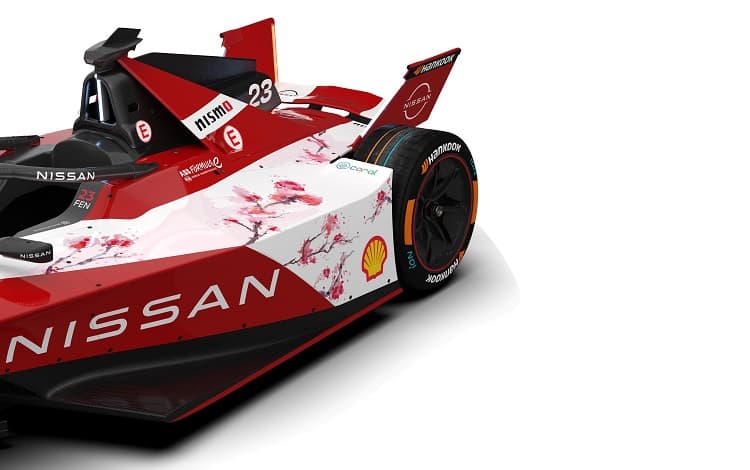
Catalyzing Climate Action: Coral Partners with Nissan Formula E
Nissan has a led across numerous domains – introduction and adoption of hybrid vehicles, EVs, and Hydrogen combustion. They are also intensively analysis their own operations and footprint.
While Nissan Formula E is pioneering electric mobility, it is also scrutinising its environmental impact and looking to catalyse continual improvement of environmental performance in the motorsport world. In that context, Coral is delighted to be selected by Nissan Formula E as its official carbon credits partner.
Nissan Formula E and Coral will use a custom calculator to accurately assess the carbon footprint of the racing team and will implement a robust credit scheme, providing full transparency on the team’s carbon offset.
This why we founded Coral – to provide a clear mechanism for companies, countries, and consumers to manage their carbon footprint.
Coral is bringing clarity and trust to carbon markets. The Coral platform provides a simple and transparent solution to make environmental responsibility through carbon offsetting actionable by everyone. By ensuring complete transparency in the origin, certification, provenance and verification of each carbon credit and its environmental impact, Coral instils trust in market participants.
متعلقہ مضامین
 Emissions Reporting15 اکتوبر، 2026
AI Data Centres in the GCC: How to Measure Power, Water and Embodied Carbon
Every AI rack in the GCC carries four emissions sources: purchased electricity (Scope 2), backup generators and refrigerants (Scope 1), cooling water that is often desalinated, and embodied carbon in buildings and hardware (Scope 3). In our view, most operators can report electricity well, but few can report all four with evidence. As the UAE […]
 Carbon Markets & Climate Policy8 اکتوبر، 2026
COP31 in Antalya: What Türkiye’s Presidency Means for GCC Companies
COP31 takes place in Antalya, Türkiye, from 9 to 20 November 2026, with Türkiye holding the Presidency and Australia chairing the negotiations. It will not create binding rules for GCC companies. But the summit’s flagship electrification pledge, Türkiye’s new emissions trading system and the EU’s Carbon Border Adjustment Mechanism (CBAM) will change what Turkish and […]
 Carbon Markets & Climate Policy25 ستمبر، 2026
Türkiye’s Carbon Market Pilot: 2026 Data Sets Your 2027 Carbon Bill
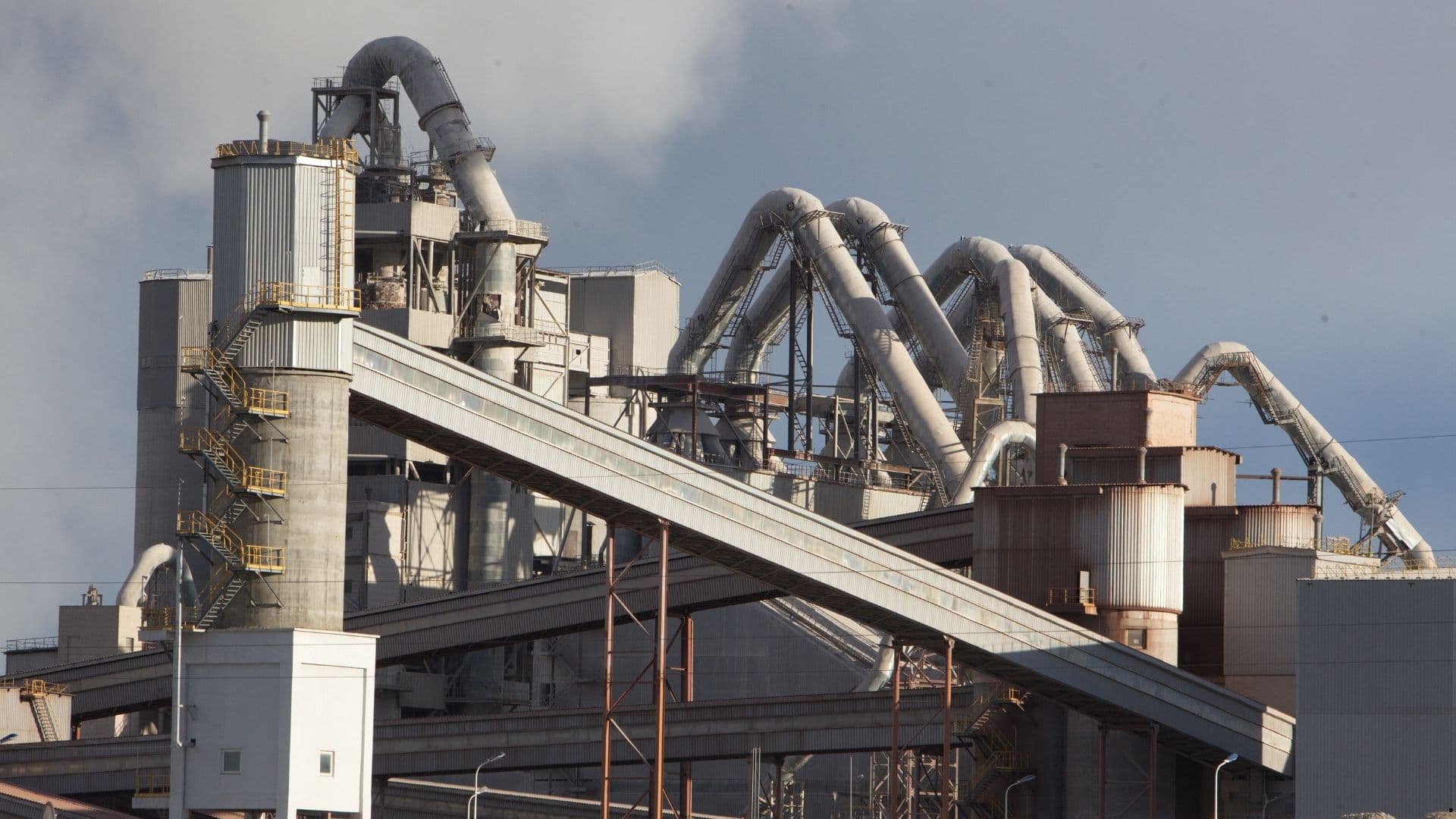
Türkiye’s Emissions Trading System (TR ETS) regulation entered into force on 27 August 2026. The Carbon Market Board’s first decision (KPK/2026/1) then set a 2026–2027 pilot for Category B and C installations in five sectors: electricity generation, cement, iron and steel, aluminium and fertilisers. 2026 is a reporting-only year, and carbon pricing starts in 2027. […]