
Carbon Credits: What are they?

TL;DR: A carbon credit represents the reduction or removal of one metric ton of CO2e (carbon dioxide equivalent). Credits are issued to verified projects (e.g., reforestation, methane capture) and can be used by organizations to compensate for emissions—either in regulated “compliance” programs (e.g., EU ETS, CORSIA) or voluntary markets. High‑quality credits are additional, properly measured, verified, and permanently retired; they complement, not replace, deep emissions cuts.
Key takeaways:
- One carbon credit = one metric ton of CO2e reduced or removed.
- Credits exist in both compliance markets (mandated) and voluntary markets (discretionary).
- Quality hinges on additionality, permanence, accurate measurement, and independent verification.
- Retirement prevents double counting; each credit can be used only once.
- Credits should complement—never replace—direct emission reductions (mitigation hierarchy).
- Choose credible standards (e.g., Verra VCS, Gold Standard) and align with frameworks like the ICVCM’s Core Carbon Principles.
Definitions (quick):
- CO2e (carbon dioxide equivalent): A common unit to compare the warming impact of different gases by expressing them as the equivalent amount of CO2. See the U.S. EPA’s explanation of global warming potentials.
- Additionality: The emissions reduction/removal would not have occurred without the project and its financing via credits.
- Permanence: The durability of the reduction/removal over time (e.g., the risk that stored carbon could be reversed).
- Retirement: The act of permanently canceling a credit so it cannot be used again (prevents double counting).
Defining Carbon Credits
Carbon credits are a market-based mechanism designed to reduce greenhouse gas emissions. Each credit corresponds to one metric ton of CO2e reduced or removed relative to an established baseline. Credits are issued to projects that follow recognized methodologies and pass independent verification, and they are tracked and ultimately retired to avoid reuse. Examples of eligible activities include reforestation and afforestation, landfill methane capture, improved cookstoves, and certain renewable energy projects.
How do carbon credits work?
The fundamental idea is to create a financial incentive for emissions reductions and removals. In practice:
Emission baseline: A scientifically defensible baseline is established (what emissions would have been absent the project).
Emission reductions/removals: Projects implement activities that reduce or remove greenhouse gases (e.g., methane capture, reforestation).
Measurement, reporting, and verification (MRV): Reductions/removals are measured and independently verified under a recognized standard (e.g., Verified Carbon Standard (Verra) or Gold Standard) before issuance.
Issuance, trading, and sale: Credits are issued and can be bought and sold on carbon markets. Buyers support projects and compensate their emissions footprint with an equivalent number of credits.
Retirement or cancellation: Once a credit is applied to claims (e.g., “we compensated X tons CO2e”), it is retired so it cannot be used again (preventing double counting).
Where are carbon credits used?
Compliance markets (mandated): Programs created by law or regulation—for example, the EU Emissions Trading System (EU ETS) in the European Union or CORSIA for international aviation—set caps or obligations and allow the use of certain credits to meet targets.
Voluntary carbon market (discretionary): Companies and individuals procure credits to compensate for emissions outside of legal obligations, often in line with climate strategies and customer or stakeholder expectations.
What makes a “high‑quality” credit?
High‑quality credits typically align with criteria such as:
- Additionality: The project would not have happened without carbon finance.
- Permanence & leakage management: The reduction/removal is durable, and the project addresses displacement risks.
- Robust MRV: Measurement methods are credible and verified by accredited third parties.
- No double counting: Strong registries and transparent retirement.
- Context and safeguards: Co-benefits, environmental and social safeguards, and alignment with recognized frameworks (e.g., ICVCM Core Carbon Principles).
Common project types (examples)
- Forestry and land use: Afforestation, reforestation, improved forest management, and avoided deforestation (REDD+).
- Methane capture: Landfills, agriculture, wastewater.
- Household energy: Improved cookstoves and clean energy access.
- Renewable energy: Wind, solar, small hydro (context‑dependent; quality and additionality criteria apply).
Risks, critiques, and how to avoid pitfalls
Carbon credits are not a substitute for deep decarbonization. Risks include overstated baselines, non‑permanent removals, or double counting. To mitigate risks:
- Prioritize direct emissions reductions and use credits to address hard‑to‑abate residuals (the “mitigation hierarchy”).
- Favor standards and registries with strong governance (e.g., Verra VCS, Gold Standard).
- Look for alignment with ICVCM Core Carbon Principles and transparent MRV and retirement data.
How to buy and retire credits responsibly
- Define your boundary (what emissions you are compensating) and quantify in CO2e using recognized methods (e.g., GHG Protocol).
- Select credible projects/standards; review methodology, additionality, and monitoring plans.
- Ensure traceability from issuance to retirement; retain records and registry IDs.
- Communicate claims clearly (e.g., “We compensated X tons CO2e via retired credits from [project] in [year]”).
- If you need help structuring a program, explore Coral’s pages: Book a demo or Contact us. For learning materials, see Resources.
FAQs
Are carbon credits the same as “carbon offsets”?
They are closely related terms; in everyday use, an “offset” typically refers to the act of compensating emissions by purchasing and retiring carbon credits. The credit is the unit; the offset is the claim enabled by retiring that unit.
How is CO2e calculated?
CO2e converts non‑CO2 gases (e.g., methane, nitrous oxide) into a CO2‑equivalent amount using global warming potentials so impacts can be compared on a like‑for‑like basis. See the U.S. EPA’s overview of global warming potentials for details.
Are Renewable Energy Certificates (RECs) the same as carbon credits?
No. RECs represent the environmental attributes of electricity generated from renewable sources; they are not the same instrument as carbon credits and generally should not be used interchangeably unless a program explicitly allows it.
How many credits do I need?
In principle, you need one retired credit for every metric ton of CO2e you want to compensate. For example, compensating 10,000 tCO2e requires retiring 10,000 credits from eligible projects.
What’s the difference between compliance and voluntary markets?
Compliance markets are created by regulation and have specific eligibility rules (e.g., EU ETS, CORSIA). Voluntary markets operate outside of legal mandates, allowing organizations to procure credits in line with their climate strategies and stakeholder expectations.
Sources
- UNFCCC – Carbon markets overview
- EU Emissions Trading System (EU ETS)
- CORSIA (ICAO) – International aviation
- ICVCM – Core Carbon Principles
- GHG Protocol – Corporate Standard
- U.S. EPA – Global warming potentials (CO2e)
- Verra – Verified Carbon Standard (VCS)
- Gold Standard – for the Global Goals
- SBTi – Net‑Zero Standard (mitigation hierarchy context)
Related Articles
 Carbon Markets & Climate PolicySeptember 25, 2026
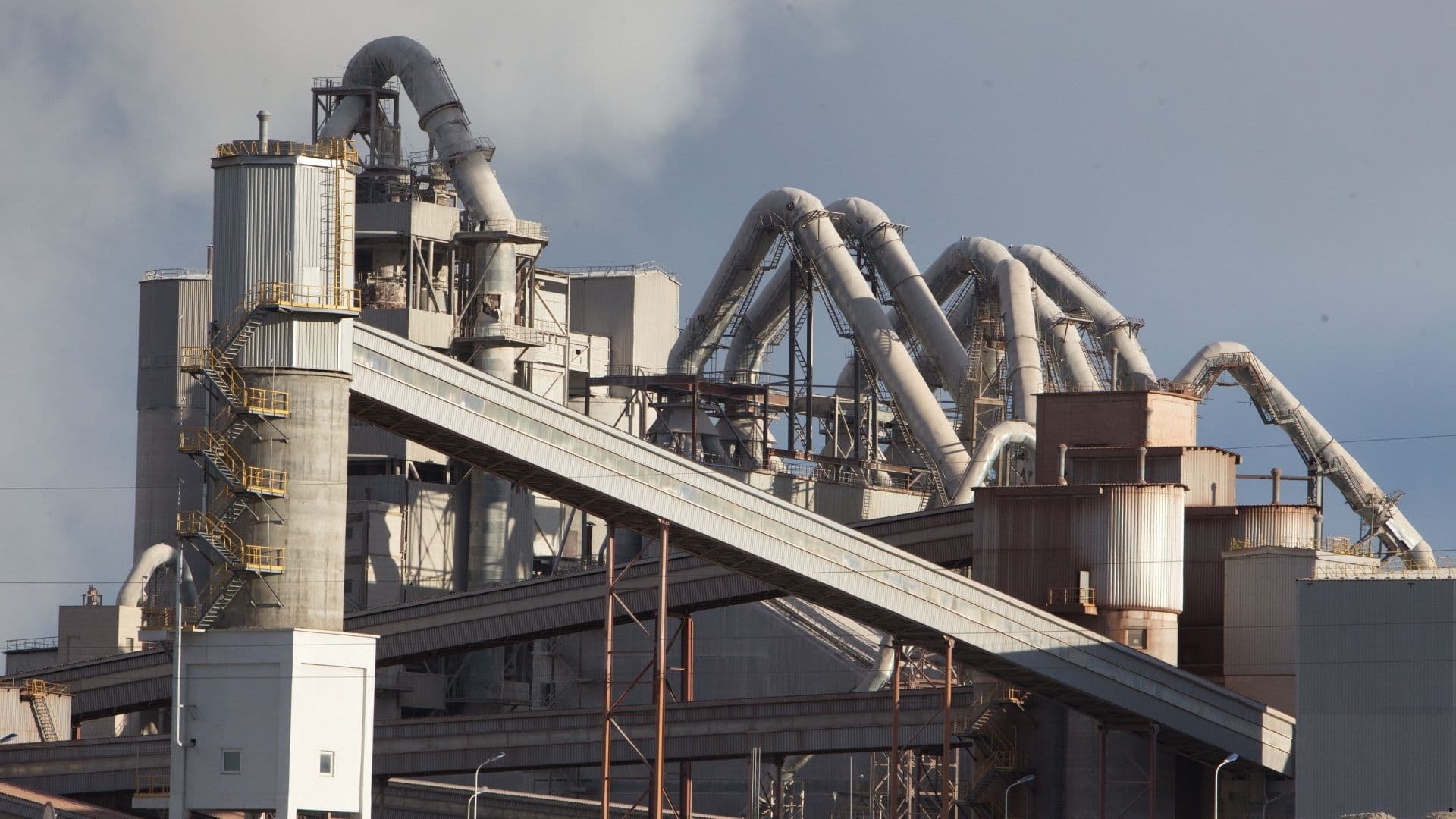
Türkiye’s Carbon Market Pilot: 2026 Data Sets Your 2027 Carbon Bill
Türkiye’s Emissions Trading System (TR ETS) regulation entered into force on 27 August 2026. The Carbon Market Board’s first decision (KPK/2026/1) then set a 2026–2027 pilot for Category B and C installations in five sectors: electricity generation, cement, iron and steel, aluminium and fertilisers. 2026 is a reporting-only year, and carbon pricing starts in 2027. […]
 Emissions ReportingSeptember 16, 2026
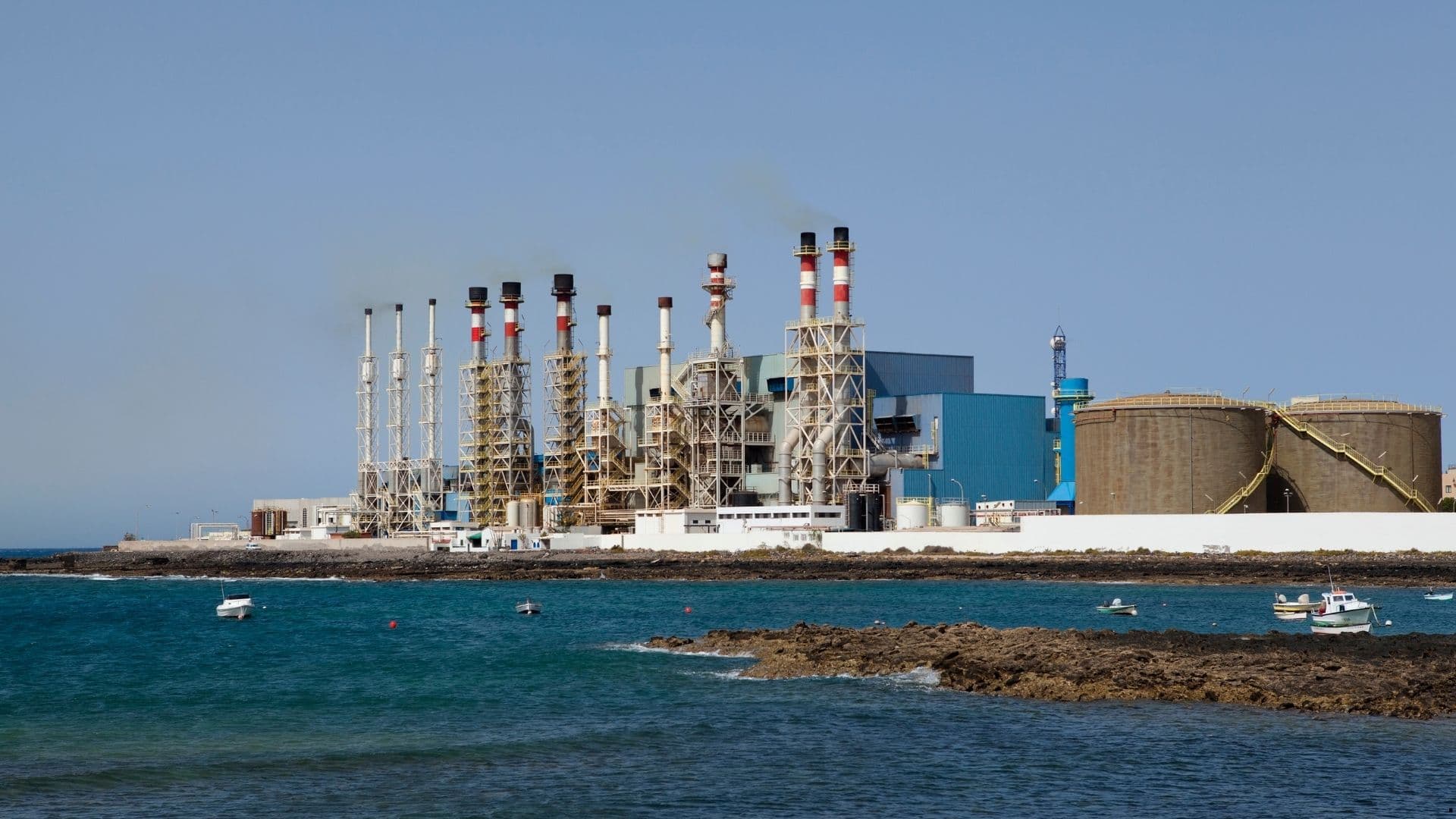
ESRS E3 Water Disclosure in the GCC: What Boards Need to Know
ESRS E3 is the European standard covering water and marine resources. It requires companies to report water withdrawal, discharge, consumption, recycled and reused volumes and water intensity, with separate disclosure for sites located in areas of high water stress. For companies operating in the GCC, nearly every site meets that definition, which changes the shape […]
 Emissions ReportingSeptember 10, 2026
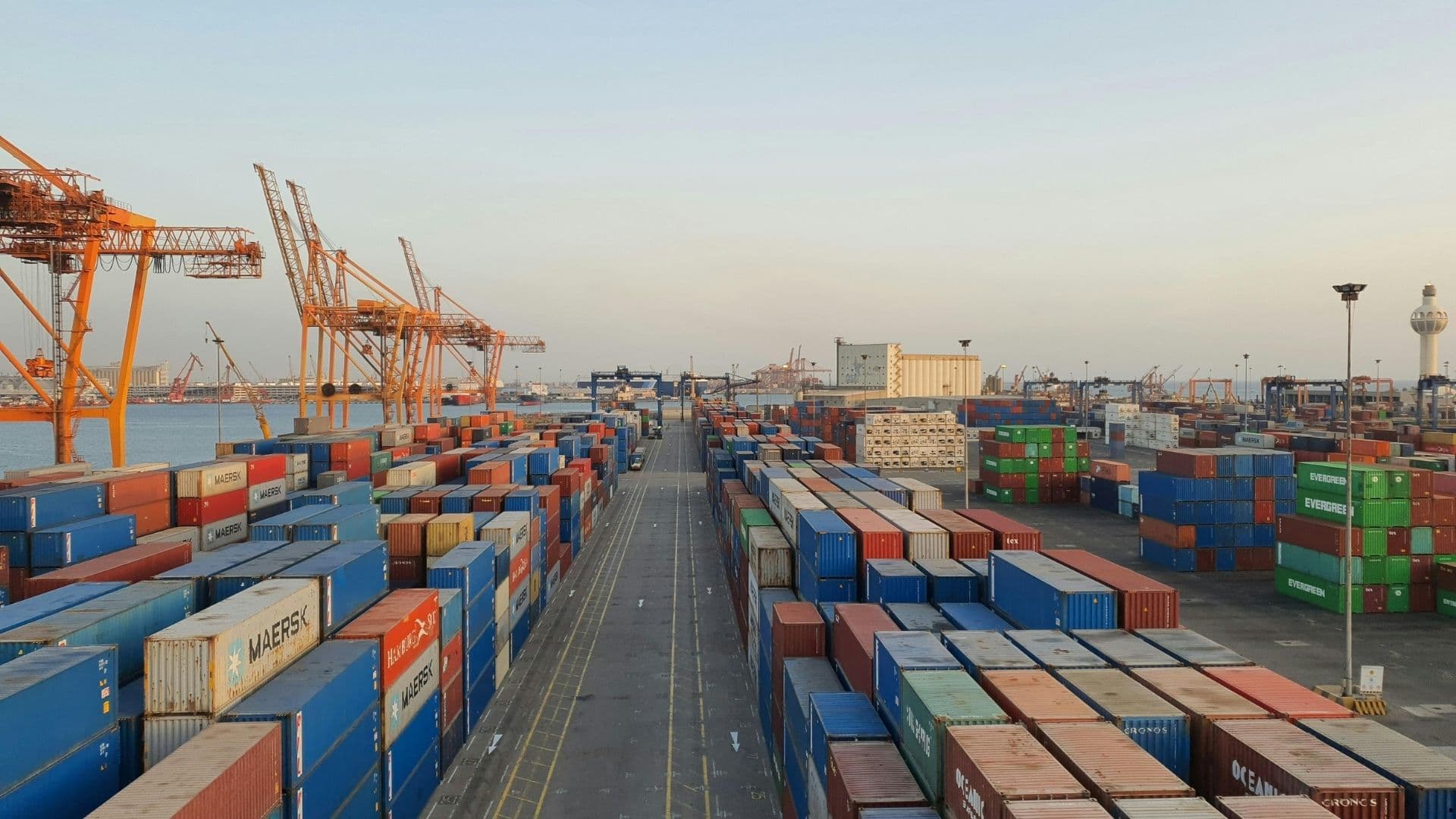
Dual-Fuel Ships Won’t Cut Your Scope 1 and 3 Automatically
A methanol dual-fuel ship does not lower anyone’s emissions number by itself. What counts is the fuel actually burned and its full lifecycle intensity, measured well-to-wake from production through combustion. Grey methanol, made from natural gas, delivers little to no reduction; only green or bio-methanol, backed by evidence, changes what a Gulf logistics group, port […]