
Yellow Selects Coral to Empower Climate Action
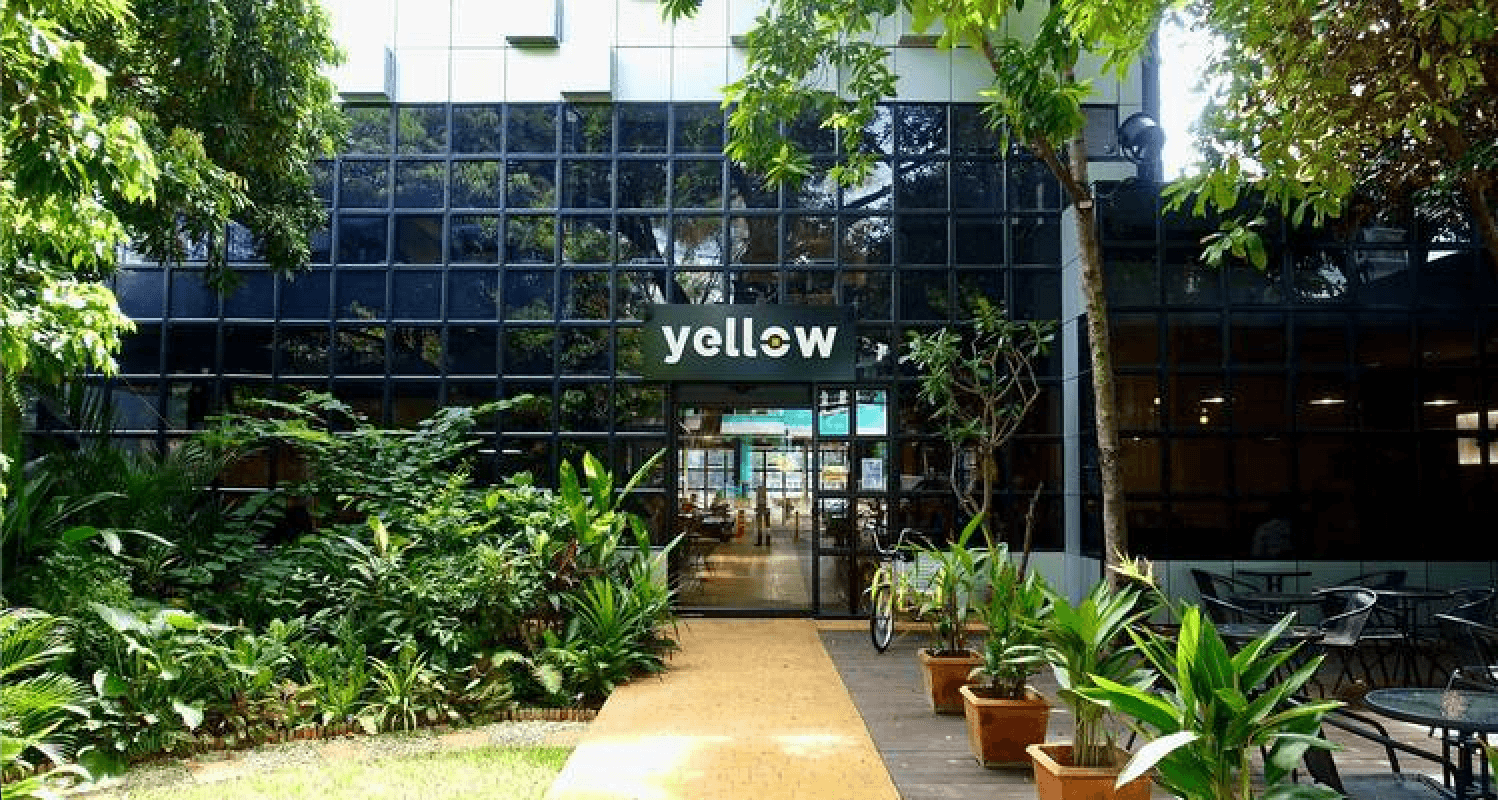
Yellow has selected Coral to support the assessment and offsetting of its coworking hub footprint in Chiang Mai, Thailand starting with a practical baseline and building a trackable workflow that’s easy to update over time. The focus isn’t just calculating a number; it’s building the evidence, documentation, and reporting flow needed to communicate climate action responsibly.
Key takeaways:
- A footprint is only as credible as the boundary, assumptions, and evidence behind it (not just the final total).
- A repeatable workflow matters more than a “one-time report” especially for spaces that evolve over time.
- Offset actions should be tracked with documentation and clear claim boundaries, aligned to credible claims guidance.
- Start simple (electricity + core operational data), then expand as the data quality improves.
Yellow selects Coral
Yellow, based in Chiang Mai, Thailand, operates across multiple lines of business including venture capital, market making, and software development, alongside its coworking community.
As a first step, Coral will support Yellow with assessing and offsetting the carbon footprint of its collaborative workspace in Chiang Mai, helping turn climate intent into a clear, trackable workflow. (Learn more about Yellow’s coworking hub.)
Why a workflow matters more than a one-off footprint
Climate action becomes easier to execute when measurement, documentation, and follow-through live in one place, rather than scattered across spreadsheets, invoices, and ad hoc files.
A defensible carbon footprint typically requires:
- a clearly defined organizational and operational boundary,
- consistent activity data inputs over a defined period,
- transparent assumptions and emission factors, and
- evidence you can trace back to source documents.
This is why globally used standards like the GHG Protocol Corporate Standard are so widely referenced for inventory structure and reporting.
Coral is designed to reduce manual work by helping teams ingest activity data, standardize it into a structured model, and produce audit-ready outputs that can be reproduced and explained. (See the Coral platform overview and the Emissions Management System.)
What Coral will help Yellow do
To support Yellow’s coworking footprint initiative, Coral will focus on a practical, defensible workflow:
- Baseline assessment: structure the workspace footprint using available operational activity data (starting with the essentials, then expanding as needed). (See Coral’s getting started guide.)
- Centralized evidence + reporting flow: bring key inputs into a repeatable process that can be updated over time and shared with stakeholders confidently. (Learn about Coral’s Emissions Management System.)
- Offsetting with documentation: support offset actions with clearer tracking and traceability so claims are responsibly communicated. (Read about Coral’s offset solution.)
A practical input checklist for a coworking footprint
If you’re measuring a coworking space footprint, the fastest way to reduce reporting risk is to get the “minimum viable dataset” right first, then expand.
Typical inputs include:
- Electricity consumption (kWh by month, meter reads or bills, provider, period covered)
- Cooling and refrigerants (if applicable: maintenance logs, refrigerant type and top-ups)
- Waste (vendor invoices, weights/volumes where available, disposal method)
- Water (m³ and billing periods)
- Occupancy or usage proxy (member-months, desk-days, or visitor volumes to track intensity metrics)
- Optional additions over time (purchased goods, IT equipment refresh, business travel policies, deliveries)
The goal is not perfection on day one, it’s consistency, traceability, and a workflow that improves over time.
Offsetting and climate claims: what “credible” looks like
Offsetting can be part of a climate strategy, but credibility depends on how clearly you define the claim and how well you document what happened.
Two practical guardrails:
- Be explicit about the boundary (what emissions, what period, and what the offset action is intended to address).
- Keep evidence and traceability (retirement/serial details, decision logs, approvals, and clear records of the action).
Guidance like the VCMI Claims Code of Practice and frameworks like the ICVCM Core Carbon Principles are useful references for communicating voluntary credit use responsibly and avoiding confusing or inflated claims.
What Yellow shared
“One stop solutions matter. Having Coral as a partner which provides innovative technology solutions is making the process very easy and simple. We think the ability to make a tangible difference, easily, will be embraced by our network.”
-Alexis S., Co-founder, Yellow
Coral’s perspective
“We’re thrilled they have chosen our transparent carbon platform to equip the Yellow network to take climate action and drive tangible environmental impact.”
-Juergen Hoebarth, CMO, Coral
About Yellow
Yellow is a blockchain-focused ecosystem spanning products and services, and it operates a coworking hub and Web3 incubator in Chiang Mai. (Explore Yellow’s ecosystem and the coworking hub.)
About Coral
Coral is a UAE-based climate tech company headquartered in Dubai. We build an AI-native ESG platform that combines enterprise emissions management (Scope 1/2/3) with ESG reporting workflows and audit-ready outputs. (Learn more about Coral or browse the Coral FAQ.)
If you’d like to see what this workflow looks like end-to-end, book a demo with us!
FAQ
What emissions are typically included in a coworking space footprint?
Most coworking footprints start with purchased electricity (often the largest operational driver), then expand to other operational sources like cooling/refrigerants (where applicable), waste, and water. The most important step is defining the boundary and documenting assumptions, aligned to standards such as the GHG Protocol Corporate Standard.
Does offsetting replace reducing emissions?
No. Credible climate strategies typically prioritize measuring and reducing emissions first, then using carbon credits as a complement for emissions that remain. Claims guidance like the VCMI Claims Code of Practice is a helpful reference for communicating this responsibly.
What documentation should exist behind an offset-related claim?
At minimum: what emissions are covered (boundary + time period), what credits were used, retirement/serial evidence, internal approval records, and a clear statement of what is being claimed. The VCMI Claims Code of Practice and ICVCM Core Carbon Principles provide practical guardrails on integrity and transparency.
How often should a coworking footprint be updated?
Many teams update at least annually, with more frequent updates (e.g., quarterly) if operational changes are significant or if stakeholders expect regular reporting. Consistency in inputs and documentation matters more than frequency.
What’s the quickest way to make footprint reporting “audit-ready”?
Use a repeatable structure: defined boundaries, consistent activity data, a traceable evidence trail, and documented assumptions. A centralized workflow reduces errors and makes it easier to reproduce results when stakeholders ask “how do we know?”
Related Articles