
Sustainability
9 makale
 Sustainability21 Ağustos 2026
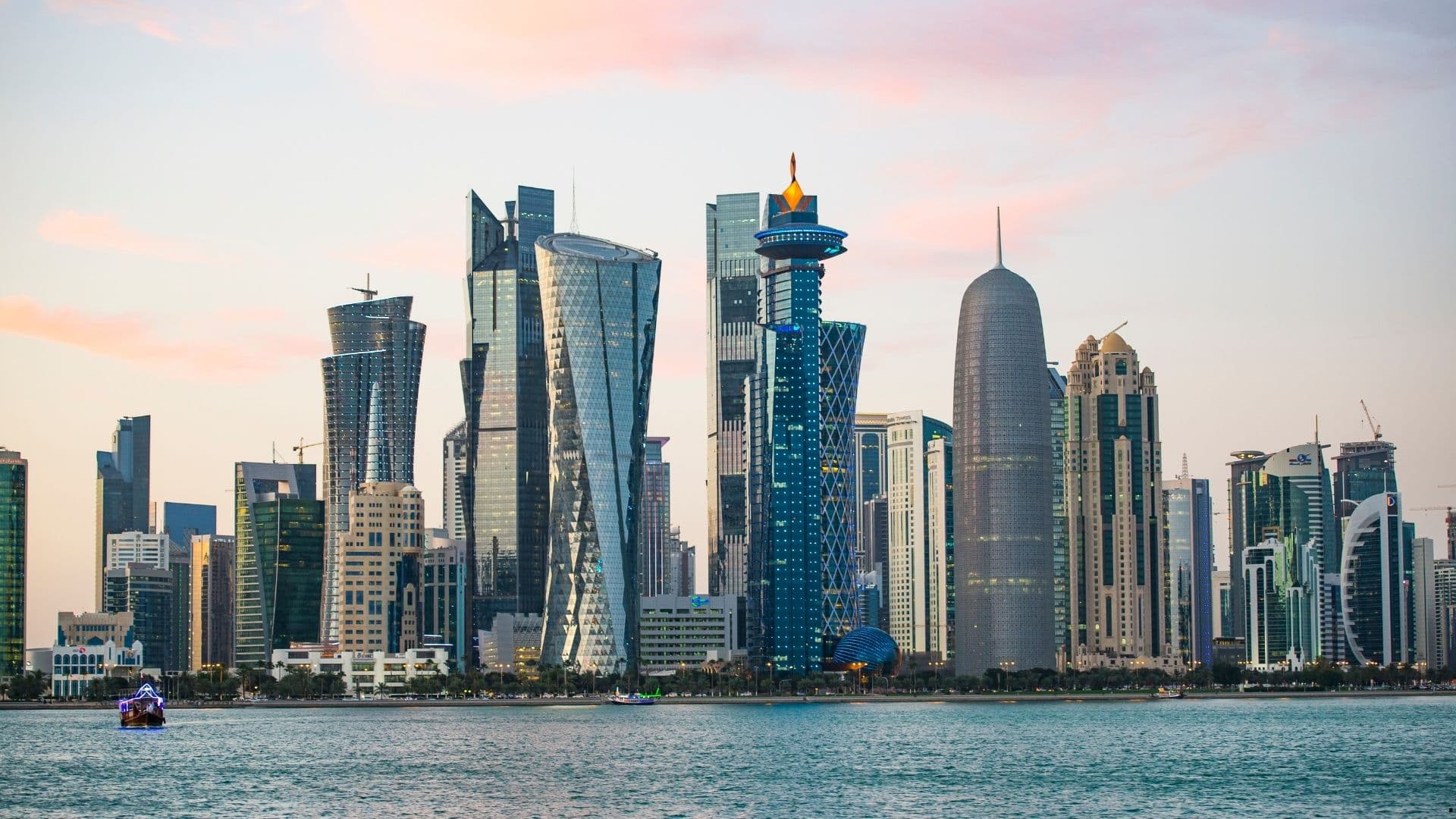
IFRS S1 and S2 in the Gulf: When Sustainability Disclosure Behaves Like Financial Reporting
Qatar has made IFRS S1 and S2 mandatory for banks and insurers from 1 January 2026, the first hard International Sustainability Standards Board (ISSB) mandate in the Gulf Cooperation Council (GCC). Bahrain’s rules are already live, Oman and Kuwait have moved from guidance into requirements, and the UAE and Saudi Arabia are converging on the […]
 Emissions Reporting24 Temmuz 2026
SBTi’s Net-Zero Standard Version 2: From Ambition to Delivery in the GCC
On 11 June 2026, the Science Based Targets initiative (SBTi) published Version 2.0 of its Corporate Net-Zero Standard, the framework most large companies use to set credible climate targets. The revision marks a change of emphasis rather than of principle. The first version rewarded the ambition of a target. The second is designed to test […]
 Sustainability23 Haziran 2026
Waste-to-Energy in Gulf Cities: Climate Solution or Incineration Greenwashing?
Burning rubbish to make electricity sounds like a magic trick. Waste disappears, the grid gets power, and a landfill the size of a neighbourhood never gets built. Dubai now runs a plant that does exactly this at a scale no other single site in the world matches. Sharjah got there first. Saudi Arabia plans gigawatts […]
 Carbon Markets & Climate Policy22 Nisan 2026
Marketplace Scope 3: Sellers, Goods, and the Data Model for E-commerce Reality in the GCC
The GCC’s marketplace economy is getting bigger, faster, and harder to measure cleanly. Dubai’s Dubai Traders Initiative says it has onboarded more than 2,600 e-commerce sellers, and WORLDEF Dubai 2026 explicitly framed the future of e-commerce around innovation, sustainability, and inclusive growth. In parallel, the UAE climate law applies to sources in the state, including […]
 Carbon Markets & Climate Policy15 Nisan 2026
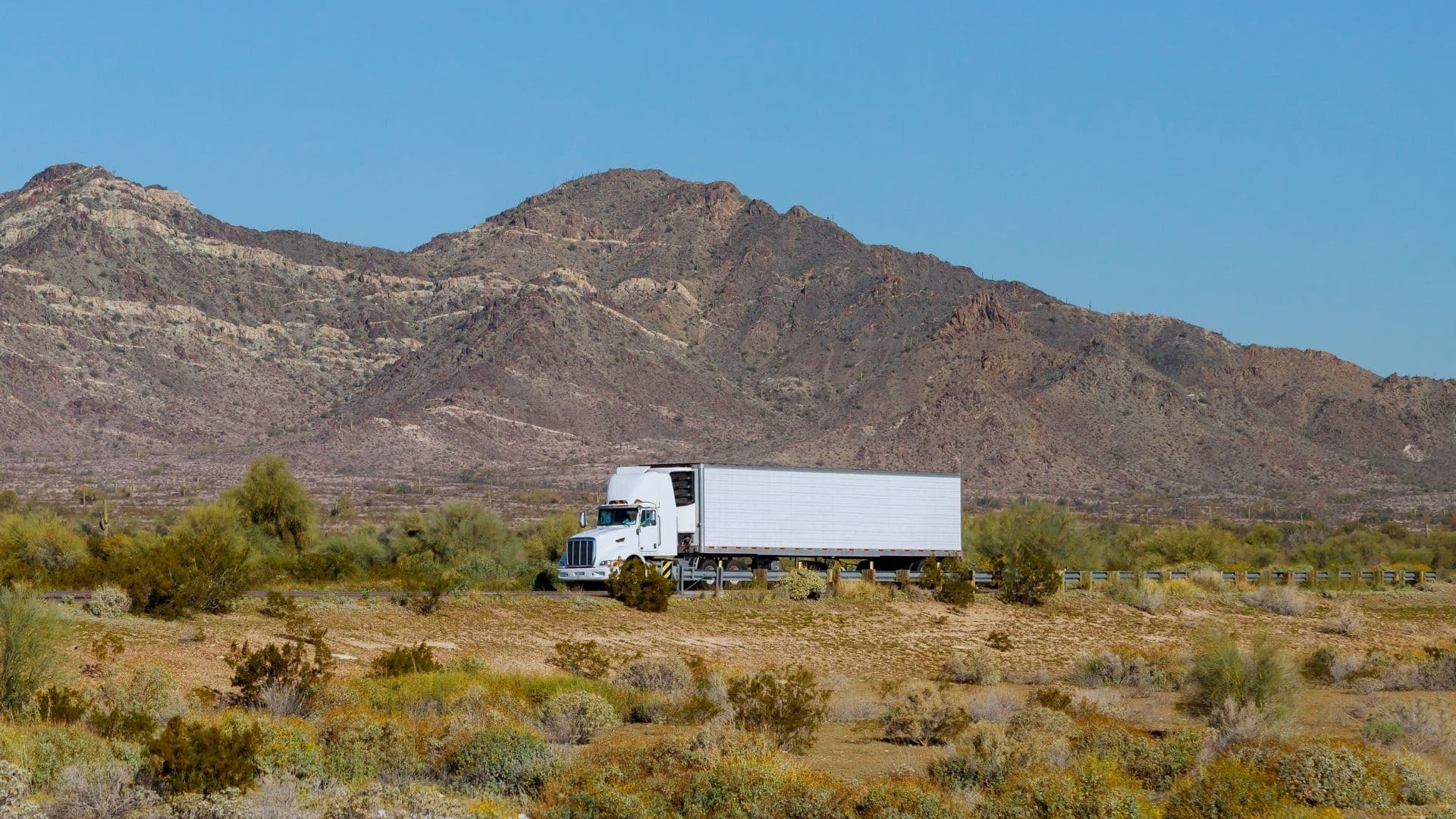
Cold Chain & Refrigerants: The Overlooked FMCG Emissions Hotspot in the GCC
For FMCG operators in the GCC, cold chain emissions rarely sit in one neat box. They are usually split across Scope 1 fugitive emissions from refrigerant leaks, Scope 2 electricity used to keep products cold, and Scope 3 emissions from outsourced refrigerated transport and storage. The accounting treatment is straightforward in principle, but the harder […]
 Sustainability25 Mart 2026
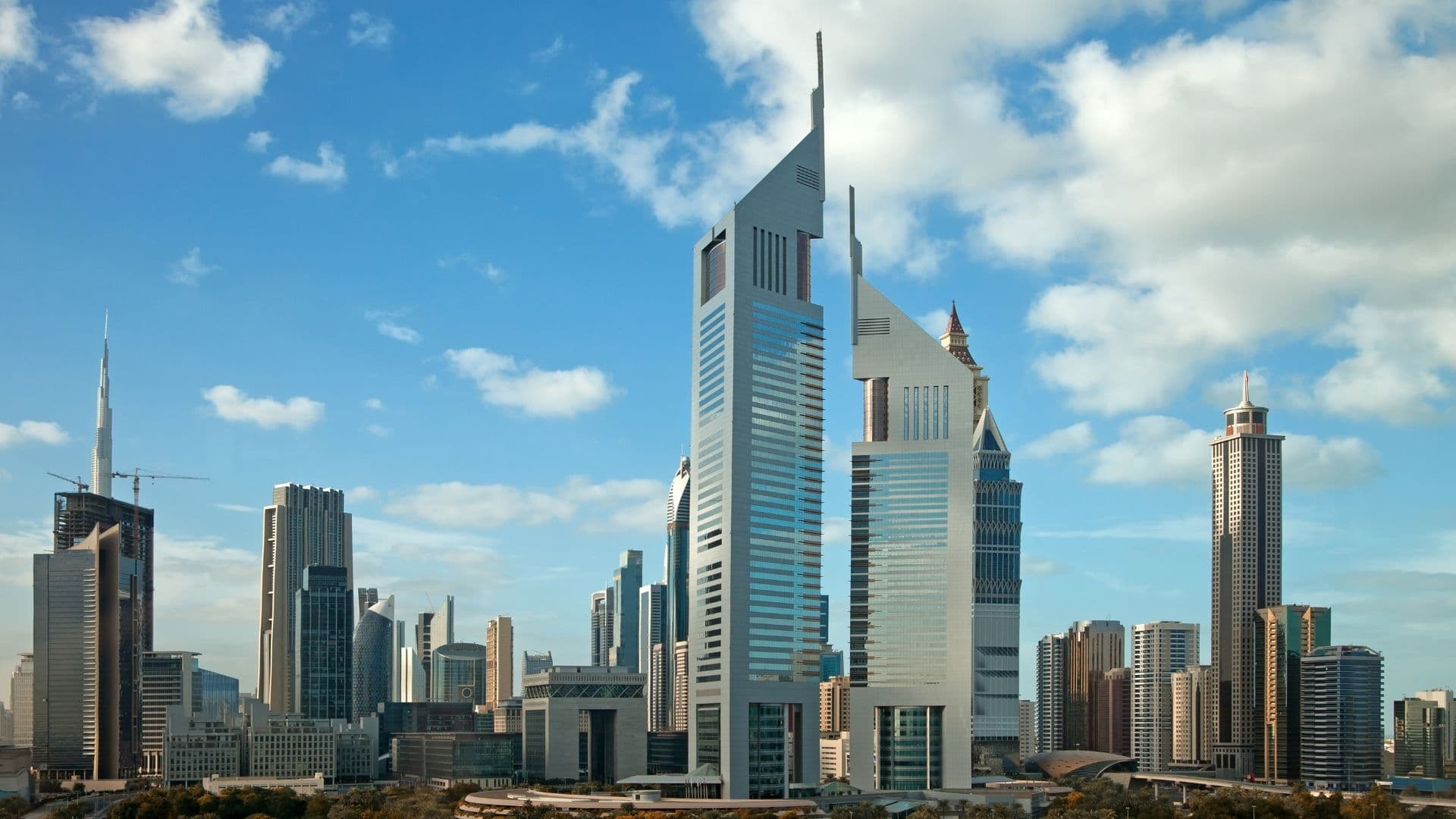
Why Real Estate Net-Zero Plans Fail After Handover
Net-zero intent in GCC real estate often underperforms after handover because design assumptions can diverge from real occupancy, controls, and maintenance practice. That matters in a region where building operations are a major energy and emissions lever, Dubai’s green building rules explicitly cover planning, design, construction, and operation, and GSAS states that a building’s long-term […]
 Sustainability19 Ocak 2026
AI Carbon Management in the GCC: From ESG Reporting to Competitive Advantage
Sustainability in the GCC is shifting from voluntary disclosure to a governance and risk requirement, driven by national strategies and a growing focus on investor-grade reporting. As Scope 1 to 3 expectations expand, organisations are moving away from spreadsheet-led reporting toward audit-ready carbon data infrastructure. AI-enabled carbon platforms help teams ingest fragmented data, including invoices […]
 Sustainability2 Nisan 2025
Catalyzing Climate Action: Coral Partners with Nissan Formula E
Leadership is key to making meaningful progress against climate change, and corporations like Nissan are stepping up. Coral is proud to have been chosen as Nissan Formula E’s official carbon credits partner. Together, we’re ensuring transparency in offsetting the racing team’s carbon footprint. Coral continues its mission to bring clarity and trust to carbon markets, making environmental responsibility achievable for all.
 Sustainability3 Ocak 2025
Coral API Launches on Shopify: Driving Sustainable E-Commerce Forward
We’re proud to announce the launch of Coral’s API on the Shopify platform, enabling businesses to embed emissions calculations and carbon offsets directly into their shopping experiences. With this integration, we’re making it easier for brands to empower their customers with informed, sustainable choices.