
Blog
Sürdürülebilirlik teknolojisi, emisyon raporlaması ve gerçek iklim etkisi üzerine düşünce liderliği.
 Emissions Reporting10 Eylül 2026
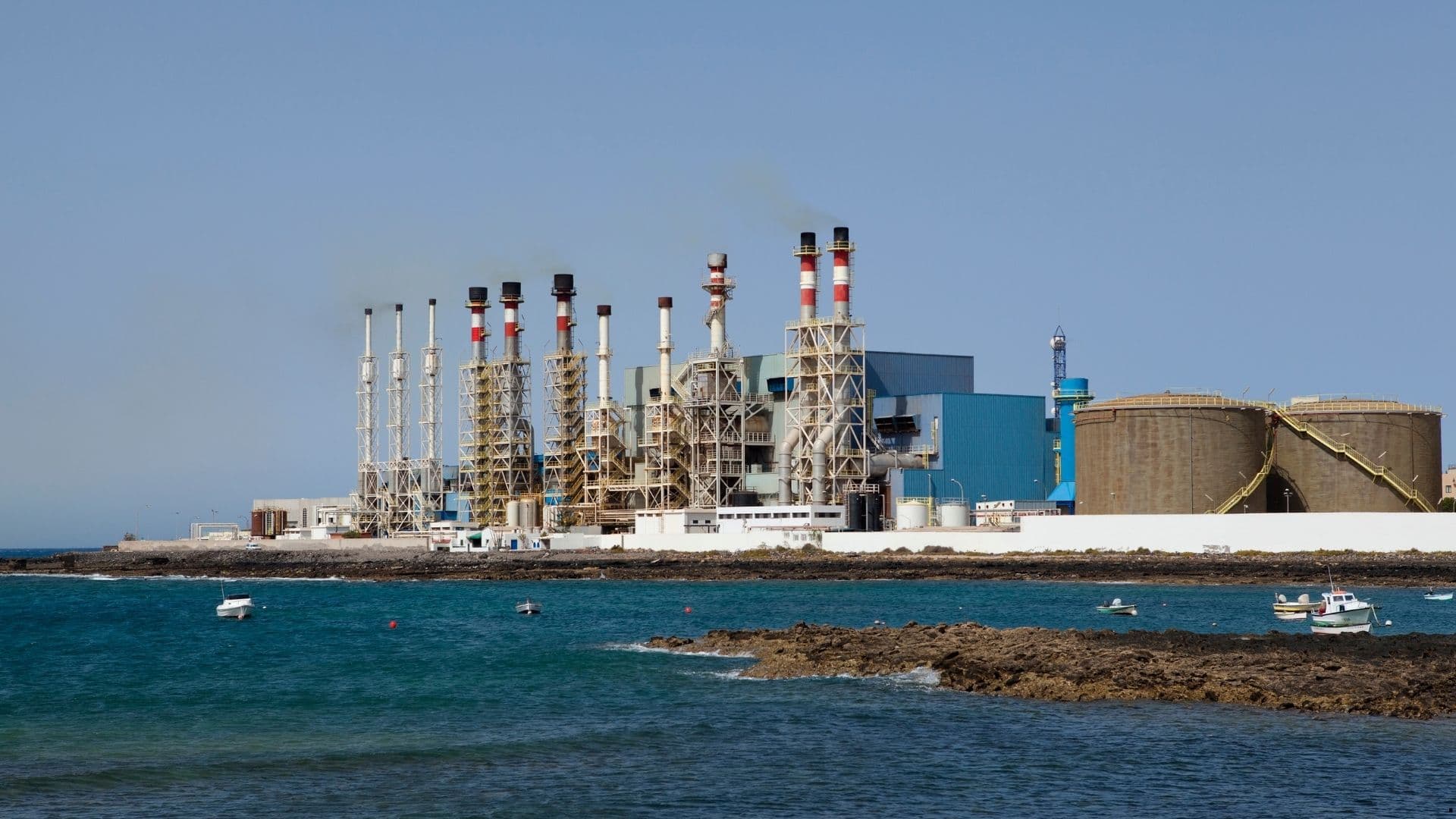
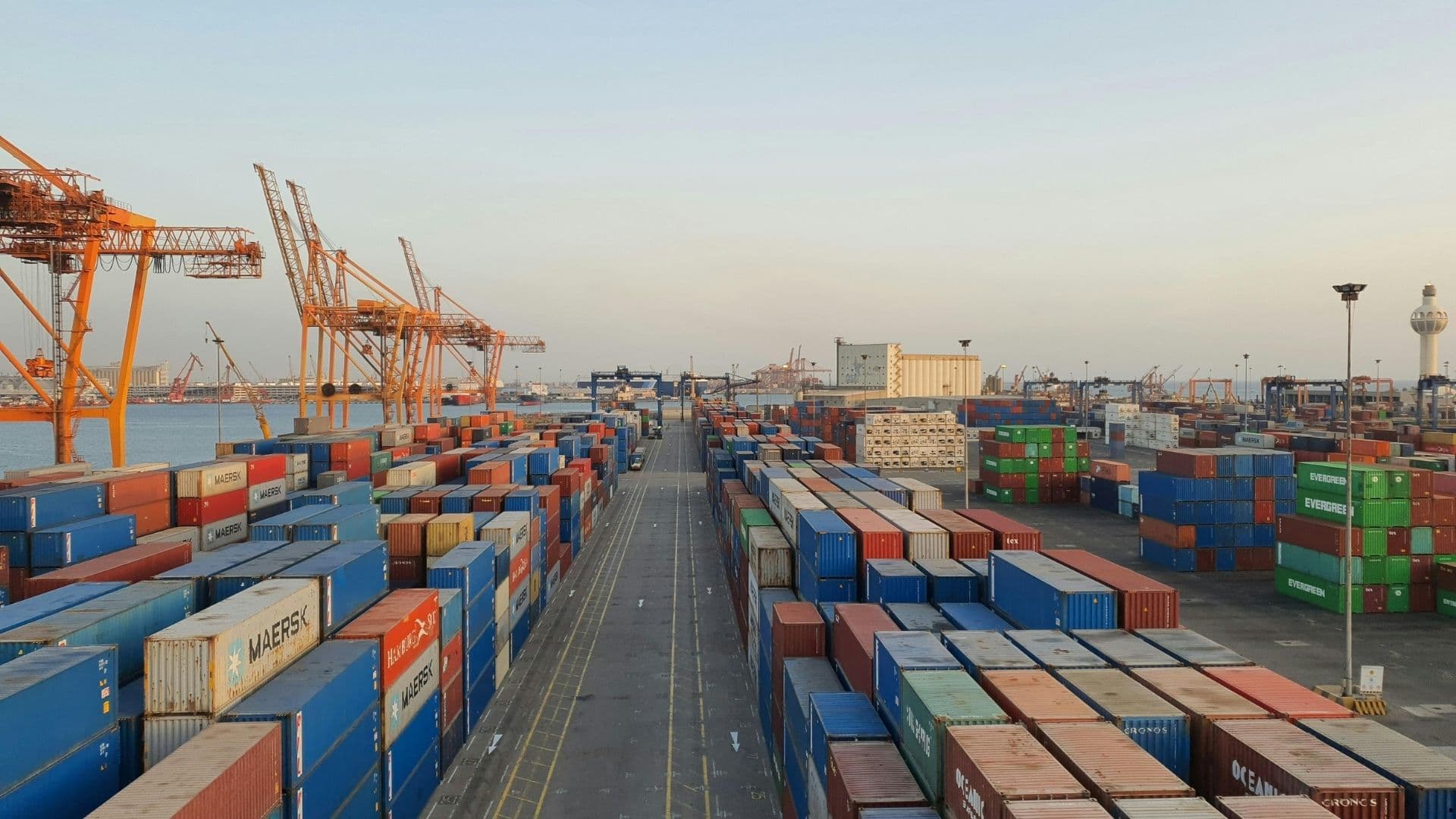
Dual-Fuel Ships Won’t Cut Your Scope 1 and 3 Automatically
A methanol dual-fuel ship does not lower anyone’s emissions number by itself. What counts is the fuel actually burned and its full lifecycle intensity, measured well-to-wake from production through combustion. Grey methanol, made from natural gas, delivers little to no reduction; only green or bio-methanol, backed by evidence, changes what a Gulf logistics group, port […]
 Emissions Reporting3 Eylül 2026
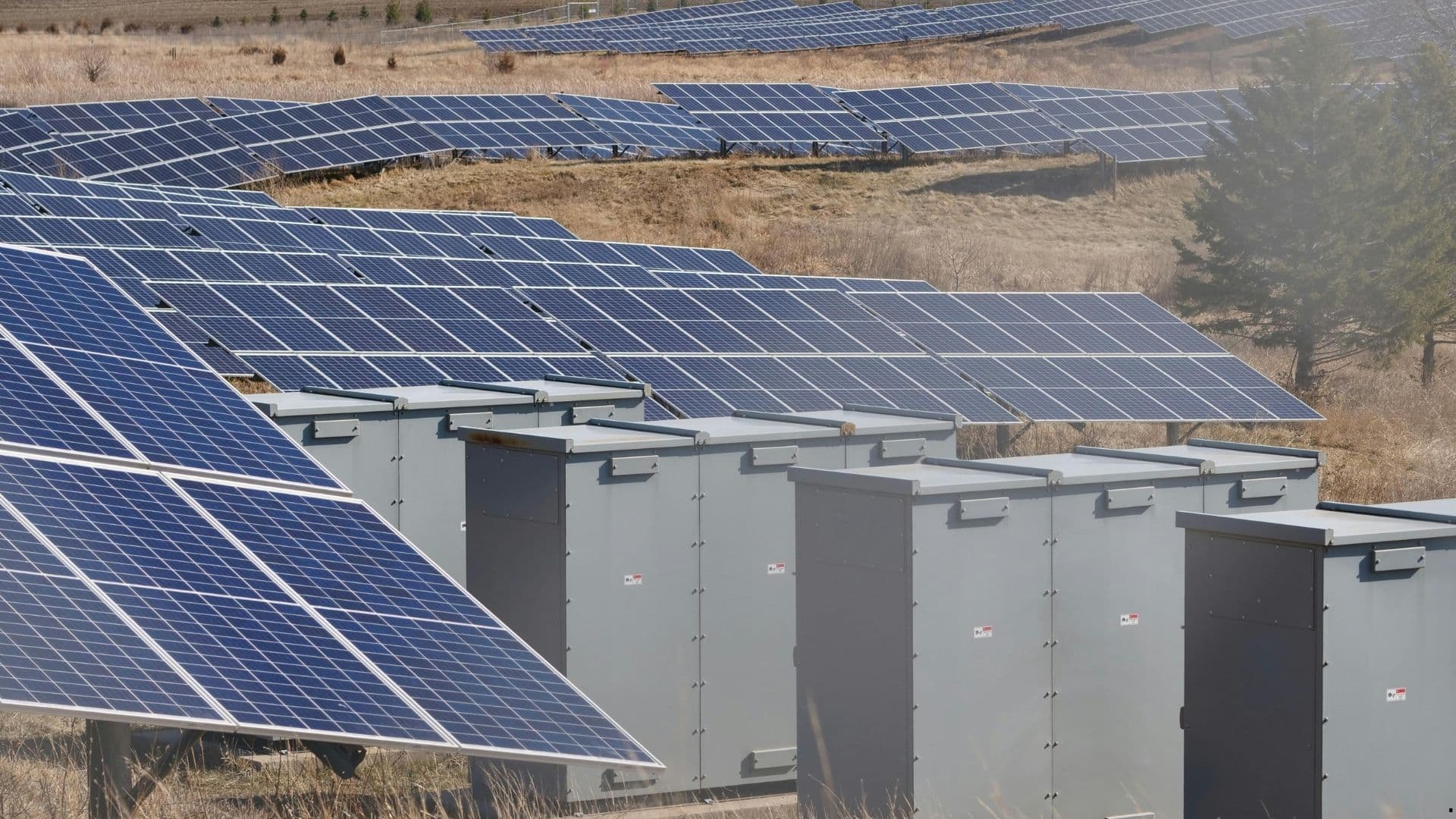
Saudi Arabia’s 2GW Battery Storage Deal and the Scope 2 Accounting Gap
On 20 August 2026, the Saudi Power Procurement Company (SPPC), Saudi Arabia’s principal buyer of electricity, signed four agreements for 2GW of battery energy storage worth SAR 4.35 billion. It was the Kingdom’s first award of build-own-operate contracts for grid-scale storage. Every headline framed it as a milestone for renewable integration. Almost none mentioned the […]
 Emissions Reporting26 Ağustos 2026
UAE Climate Law: Building a GHG Inventory That Survives a Verifier
The UAE Climate Law’s one-year transition period ended on 30 May 2026, making greenhouse gas (GHG) measurement a legal obligation for every in-scope entity in the country, with fines up to AED 2,000,000 and no size threshold. The single national filing date is expected to be extended pending the Ministry of Climate Change and Environment […]
 Sustainability21 Ağustos 2026
IFRS S1 and S2 in the Gulf: When Sustainability Disclosure Behaves Like Financial Reporting
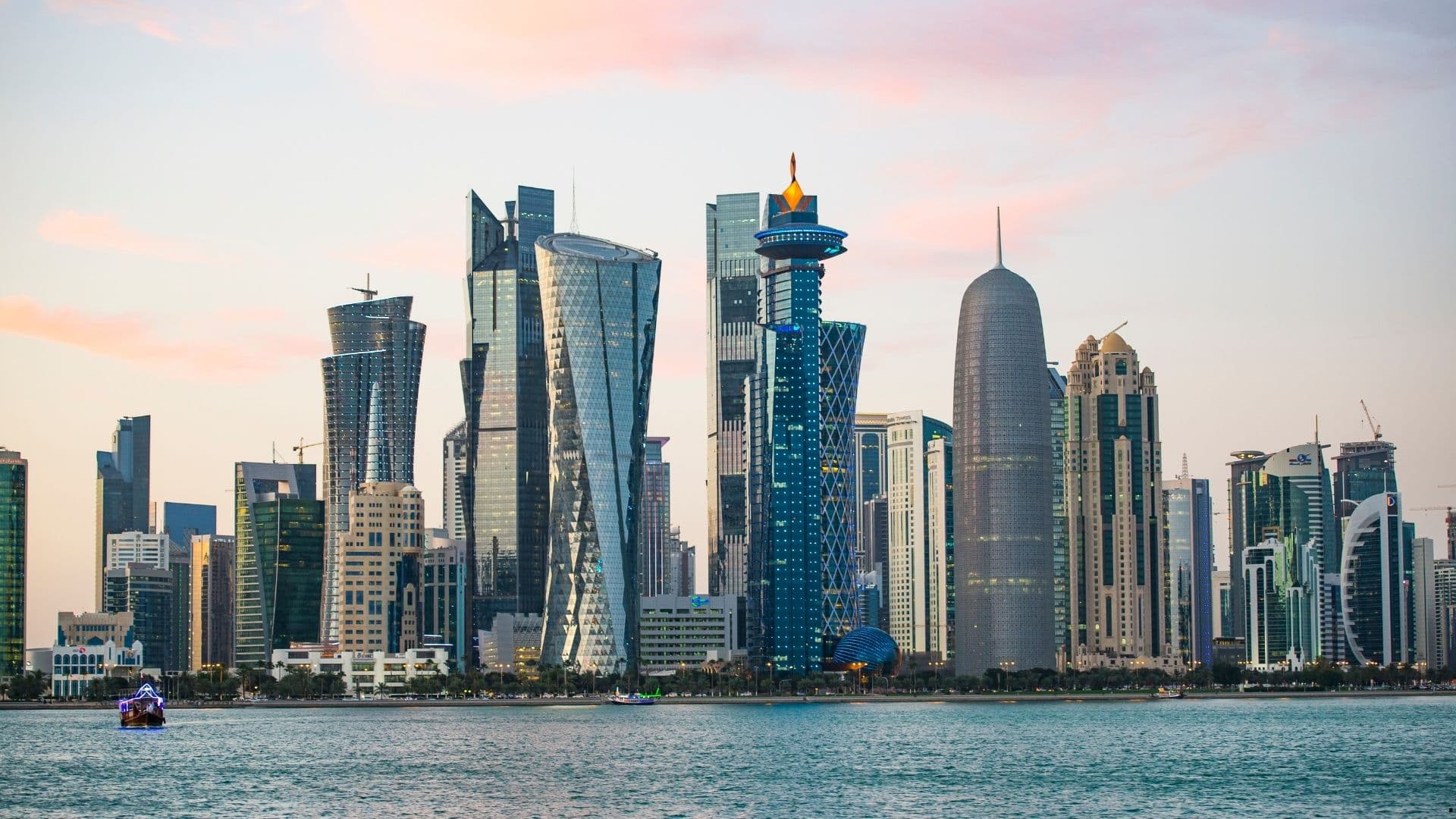
Qatar has made IFRS S1 and S2 mandatory for banks and insurers from 1 January 2026, the first hard International Sustainability Standards Board (ISSB) mandate in the Gulf Cooperation Council (GCC). Bahrain’s rules are already live, Oman and Kuwait have moved from guidance into requirements, and the UAE and Saudi Arabia are converging on the […]
 Carbon Markets & Climate Policy12 Ağustos 2026
Inside Saudi Arabia’s Carbon Market: A 2026 Offset Strategy for Gulf Corporates
Saudi Arabia now offers two routes to carbon credits. RVCMC is a PIF- and Tadawul-backed trading exchange, and GCOM is the domestic mechanism for Saudi-origin projects. Almost all credits sold through RVCMC so far originate outside the Kingdom, and whether a credit is authorised under Article 6 decides what a buyer can legally claim. For […]
 Carbon Markets & Climate Policy6 Ağustos 2026
CBAM in 2026: What GCC Steel and Aluminium Exporters Actually Owe
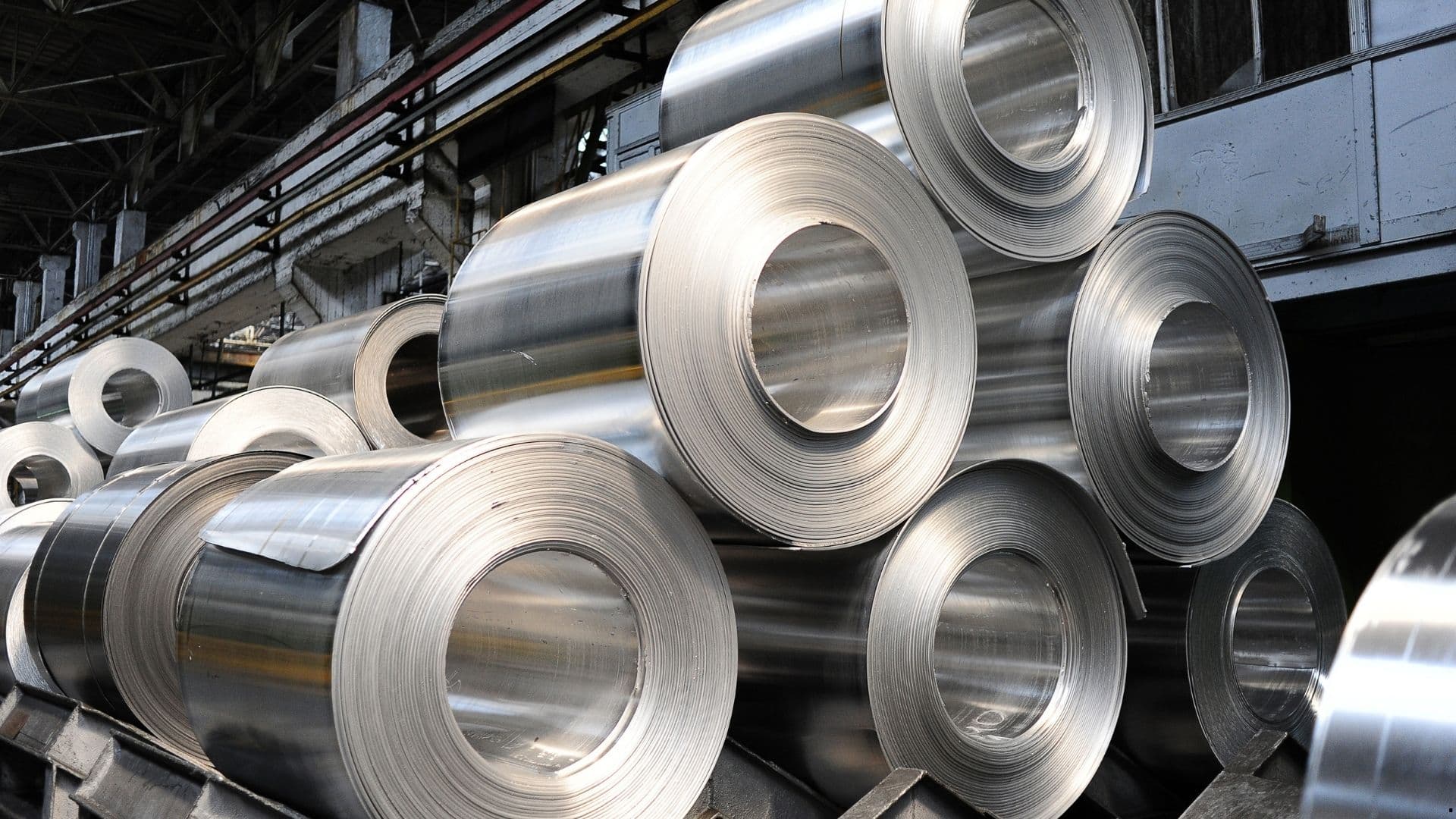
The EU’s Carbon Border Adjustment Mechanism (CBAM) entered its definitive regime on 1 January 2026, but a GCC steel or aluminium exporter owes very little in certificate cash for 2026, and nothing is payable until 30 September 2027. What is owed now is verified emissions data. The cost curve looks gentle this year and steepens […]
 Emissions Reporting30 Temmuz 2026
Healthcare Emissions in the GCC: Anaesthetic Gases, Single-Use, and Pharma Scope 3
Healthcare produces roughly 4.4% of global greenhouse gas emissions, and most of it is indirect. In the GCC, three upstream sources carry a disproportionate share and are routinely left out of measurement: anaesthetic gases vented from operating theatres (Scope 1), single-use devices whose emissions are embedded at manufacture (Scope 3), and imported pharmaceuticals produced outside […]
 Emissions Reporting24 Temmuz 2026
SBTi’s Net-Zero Standard Version 2: From Ambition to Delivery in the GCC
On 11 June 2026, the Science Based Targets initiative (SBTi) published Version 2.0 of its Corporate Net-Zero Standard, the framework most large companies use to set credible climate targets. The revision marks a change of emphasis rather than of principle. The first version rewarded the ambition of a target. The second is designed to test […]