
Why Real Estate Net-Zero Plans Fail After Handover
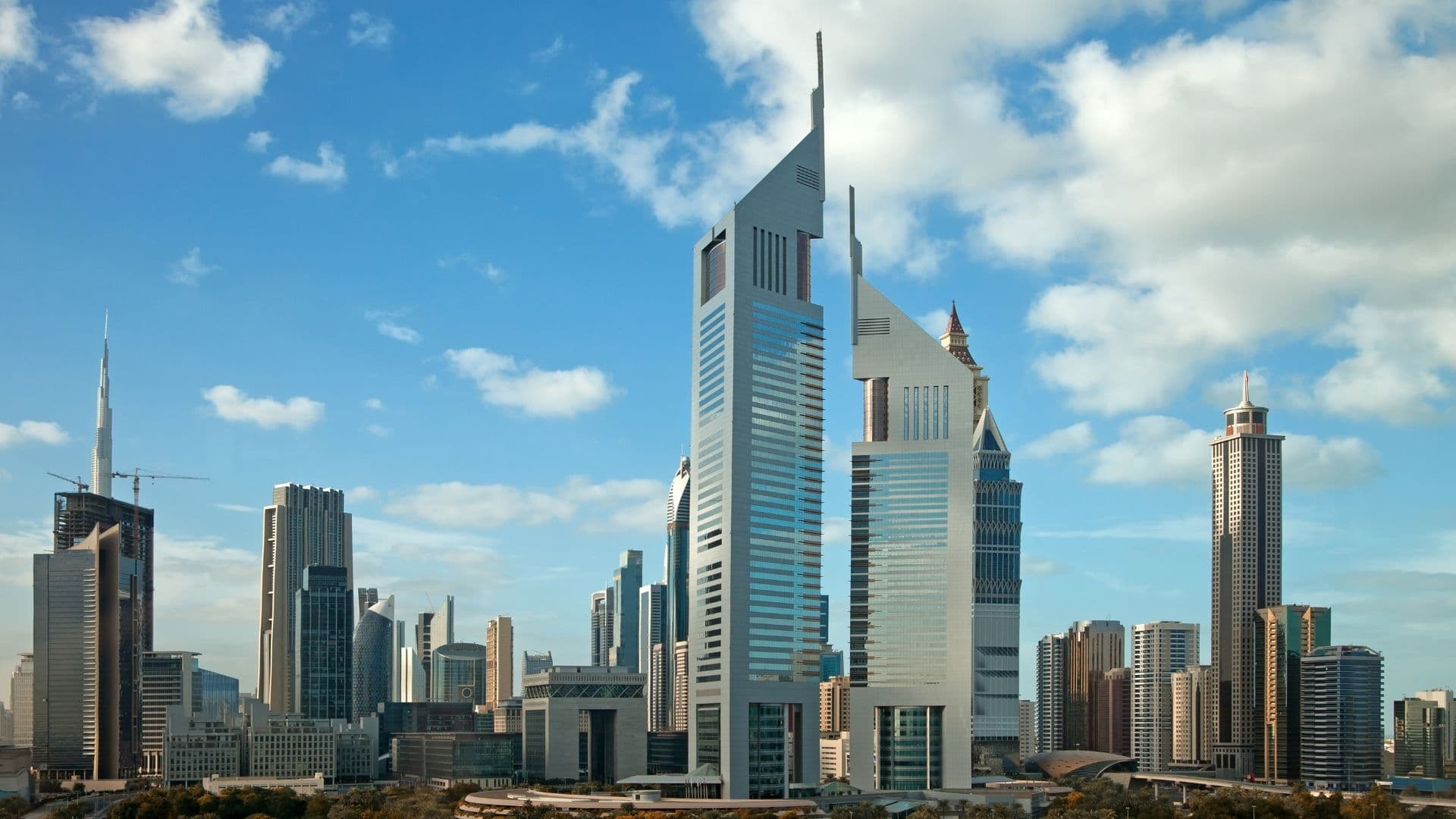
Net-zero intent in GCC real estate often underperforms after handover because design assumptions can diverge from real occupancy, controls, and maintenance practice. That matters in a region where building operations are a major energy and emissions lever, Dubai’s green building rules explicitly cover planning, design, construction, and operation, and GSAS states that a building’s long-term sustainability footprint largely depends on how it is operated after occupancy.
Key takeaways
- The GCC’s real estate challenge is a handover gap between design intent and live operations. (Source: GSAS Trust | Building Sustainably)
- Common drivers of post-handover underperformance include controls drift, tenant-use changes, fragmented data, and unclear ownership after project delivery. (Source: GSAS Trust | Building Sustainably)
- Regional signals are moving toward lifecycle accountability, not just design-stage compliance. Dubai’s new building law and recent AI-enabled building-operations partnerships make that direction hard to ignore. (Source: Government of Dubai Media Office)
- Owners that connect FM, utility, asset, and sustainability data are in a stronger position to protect both operational performance and disclosure credibility. See our blog on AI Carbon Management in the GCC for the broader data-infrastructure angle.
- The next maturity step is governed by operational evidence that survives handover.
On handover day, the building still looks flawless. The façade performs in the model. The systems have been commissioned. The sustainability deck is polished. The asset appears future-ready. Then real life starts. Schedules get overridden. Setpoints drift. Fit-outs change internal loads. Facilities teams inherit manuals, but not always the logic behind the original design intent. Six months later, the building may still look “green” in a board presentation while behaving nothing like the building that was modeled. That is the design-to-ops performance gap. (Source: GSAS Trust | Building Sustainably)
Why this matters more in the GCC
The GCC has scale, speed, and climate working against complacency. Buildings globally account for 30% of final energy consumption and 26% of energy-related emissions from operations, and the IEA notes that space cooling has been one of the fastest-growing building energy demands. In a hot-climate region where large mixed-use developments, hospitality assets, malls, logistics hubs, and premium office portfolios are expanding quickly, small operational mistakes become expensive fast.
The regulatory and market context is also changing. Dubai’s Green Building Regulations & Specifications were written to improve building performance through better planning, design, construction, and operation. Saudi Arabia’s Building Code 2024 includes nonresidential and residential energy conservation codes, an existing building code, and a Saudi Green Building Code. Qatar’s GSAS Operations is even more explicit: post-occupancy operations and maintenance directly shape environmental impact. In other words, the region’s own frameworks already tell the same story. Sustainability does not end at practical completion.
What actually breaks after handover
1. Design intent stays trapped in static documents
The energy model, commissioning notes, consultant assumptions, control sequences, and sustainability targets often live in separate files owned by different parties. By the time the building is operational, the original logic behind the asset has become documentation, not management practice. That is where performance starts to leak.
2. Controls drift faster than teams expect
A BMS does not guarantee a high-performing building. Schedules drift. Sensors fail. Overrides become permanent. Ventilation rates stay conservative after peak-use periods. Cooling systems run to satisfy assumptions that no longer reflect how the space is actually used. In the GCC, where cooling demand is commercially significant, these are not minor operational quirks. They are recurring cost and carbon problems. (Source: IEA)
3. Tenants rewrite the building faster than models do
The building that gets handed over is rarely the building that gets lived in. A retail tenant adds refrigeration. A food and beverage unit changes heat loads. An office floor densifies. A hotel extends operating hours. A mixed-use asset shifts occupancy patterns after leasing reality sets in. None of that means the original design was wrong. It means the building needs post-handover performance management, not blind faith in a design-stage model. (Source: GSAS Trust | Building Sustainably)
4. Sustainability data sits outside operations
This is where many net-zero plans quietly unravel. Utility bills may sit with finance. Refrigerant logs may sit with FM. Diesel and backup-generator records may sit with operations. Fit-out data may sit with project teams. Waste data may sit with vendors. ESG reporting then happens somewhere else, usually in spreadsheets and year-end collection exercises. When operational evidence and sustainability workflows are disconnected, no one can tell whether performance improved because of a real change, a data gap, or a reporting-method shift. See our blog on Emission factors in the GCC: DEFRA vs IEA vs local utility factors for why reported results can move even when operations do not.
5. Accountability gets lost at the exact point it matters most
Design consultants exit. Contractors demobilize. Operators inherit. Owners expect savings. Sustainability teams still need evidence. Everyone assumes someone else is managing the gap. In practice, no one owns the performance story end to end. That is why strong buildings can still become weak assets after handover. (Source: GSAS Trust | Building Sustainably)
What changed recently, and why it matters
Two recent UAE signals make this more than a technical operations issue.
First, on 10 March 2026, Dubai issued Law No. (3) of 2026 on the quality and safety of buildings. The law applies across Dubai, including private development zones and free zones, and ties sustainability to regular maintenance, safe operation of building systems, digital building management, periodic assessments, and a mandatory Quality and Safety Certificate. This is a clear lifecycle signal, not a design-only signal.
Second, on 25 February 2026, Al-Futtaim Real Estate and Siemens announced a strategic partnership that includes Building X, AI-based energy-efficiency technologies, Building Management Systems, and a push toward more autonomous, human-centric buildings across the portfolio. The market message is obvious: leading owners are investing in operational intelligence, not just better concept-stage sustainability language.
What good looks like in the GCC
The owners who close this gap do a few things differently.
They treat handover as the start of performance management, not the end of project delivery. They translate design intent into live operational rules: setpoints, control priorities, metering logic, escalation thresholds, and named owners. (Source: GSAS Trust | Building Sustainably)
They re-baseline after occupancy. Instead of pretending the model and the lived building are the same thing, they measure what changed and adapt. That is especially important where tenant behavior, cooling loads, and space use evolve quickly. (Source: GSAS Trust | Building Sustainably)
They bring operational and sustainability data into one governed workflow. Utility, maintenance, FM, procurement, and disclosure evidence are treated as parts of the same performance system. See our blog on Operational vs. Value Chain Emissions: How They Map to Scope 1, 2, and 3 if your portfolio includes owned, leased, or managed assets and you need cleaner boundary thinking.
They also stop confusing certification with control. A plaque can validate ambition. It cannot keep schedules optimized, factors governed, data complete, or maintenance aligned to performance targets. Post-handover discipline does that. (Source: GSAS Trust | Building Sustainably)
Where Coral fits
For real-estate owners, developers, operators, and sustainability teams, Coral fits best as the governed data and workflow layer between fragmented building reality and decision-grade sustainability performance. Coral’s Emissions Management System is built to centralize operational data, measure Scope 1 to 3 emissions, identify hotspots, and generate reporting outputs aligned with the GHG Protocol and ISO 14064-1. Coral’s ESG Reporting workflows extend that into structured disclosures aligned with GRI and CSRD/ESRS.
That matters in real estate because the problem is rarely a lack of dashboards. The problem is a lack of traceable evidence across systems, teams, and contractors. If your building’s operational truth lives in invoices, FM logs, PDFs, spreadsheets, BMS exports, and disconnected emails, your sustainability story will eventually break under scale, scrutiny, or assurance. See our blog on AI Carbon Management in the GCC for the larger operating model shift.
Next step
If your portfolio still treats handover as the finish line, the next maturity step is to rebuild the connection between design intent, operational controls, and evidence-linked sustainability reporting.
Explore Coral’s Emissions Management System, see how ESG Reporting fits into the same workflow, or book a demo to see what a post-handover performance layer can look like in practice.
FAQ
What is the design-to-ops performance gap in real estate?
It is the gap between how a building is expected to perform at design stage and how it actually performs once occupied and operated. Regional frameworks such as Dubai’s green building regulations and GSAS Operations make clear that long-term sustainability depends heavily on operation and maintenance, not just design intent.
Why is this especially important in the GCC?
Because the GCC combines rapid development, heat-intensive building operations, and rising expectations around sustainability, safety, and accountability. The IEA’s building data, Dubai’s March 2026 law, and recent market moves toward AI-enabled building operations all point in the same direction: live performance is becoming more visible and more important.
Is certification enough to protect net-zero performance after handover?
No. Certification can validate design ambition and certain process standards, but GSAS and Dubai’s own regulations both reinforce that post-occupancy operation, maintenance, and assessment are critical to sustained performance.
What should owners or operators do first?
Start by identifying where operational evidence is fragmented. Map utility, FM, maintenance, refrigerant, fuel, waste, and tenant-impact data into one governed workflow. Then re-baseline the building after occupancy and assign clear owners for performance-critical controls and reporting boundaries. Coral’s Emissions Management System and ESG Reporting pages show how that structure can work.
متعلقہ مضامین
 Carbon Markets & Climate Policy8 اکتوبر، 2026
COP31 in Antalya: What Türkiye’s Presidency Means for GCC Companies
COP31 takes place in Antalya, Türkiye, from 9 to 20 November 2026, with Türkiye holding the Presidency and Australia chairing the negotiations. It will not create binding rules for GCC companies. But the summit’s flagship electrification pledge, Türkiye’s new emissions trading system and the EU’s Carbon Border Adjustment Mechanism (CBAM) will change what Turkish and […]
 Carbon Markets & Climate Policy25 ستمبر، 2026
Türkiye’s Carbon Market Pilot: 2026 Data Sets Your 2027 Carbon Bill
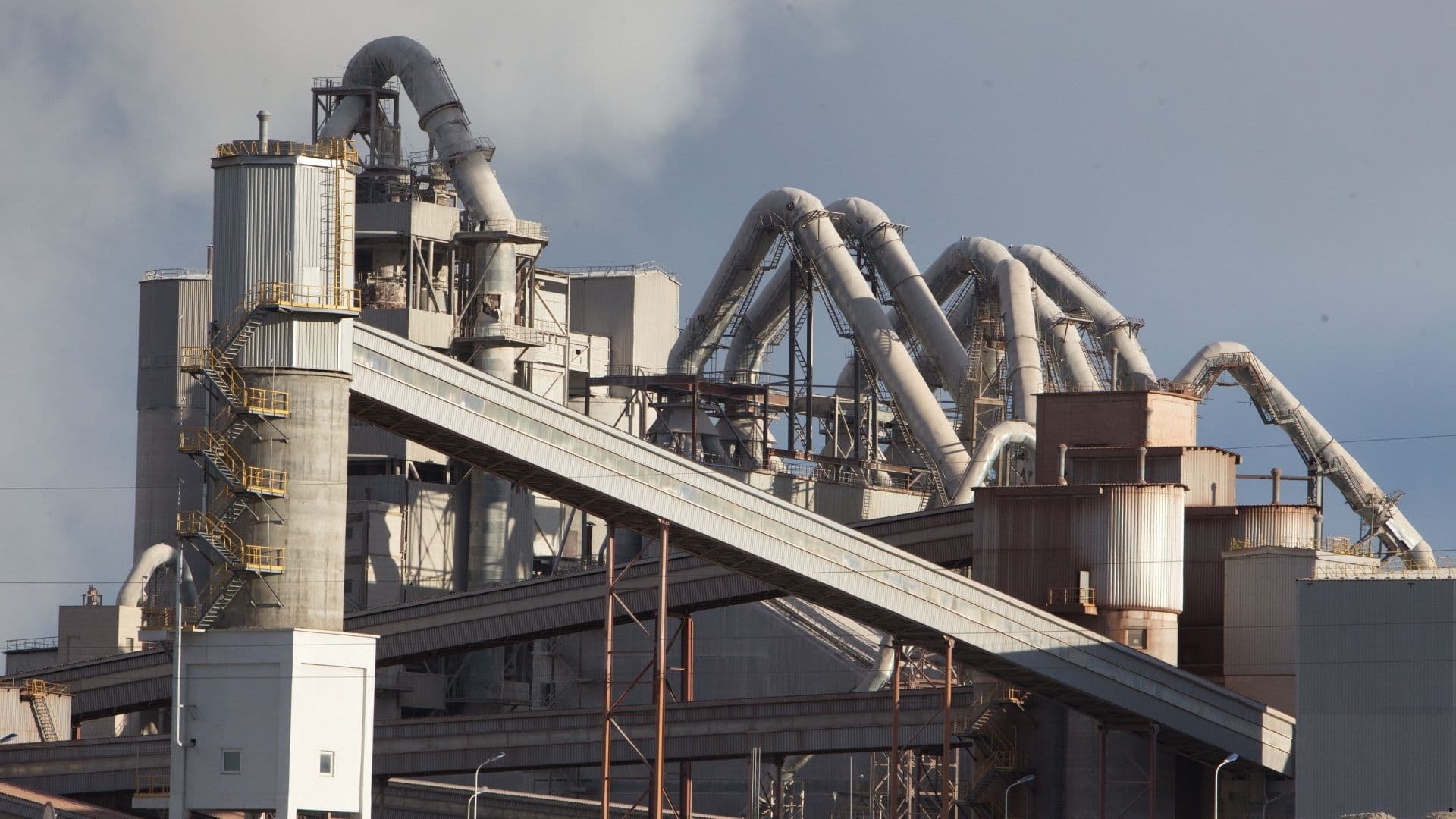
Türkiye’s Emissions Trading System (TR ETS) regulation entered into force on 27 August 2026. The Carbon Market Board’s first decision (KPK/2026/1) then set a 2026–2027 pilot for Category B and C installations in five sectors: electricity generation, cement, iron and steel, aluminium and fertilisers. 2026 is a reporting-only year, and carbon pricing starts in 2027. […]
 Emissions Reporting16 ستمبر، 2026
ESRS E3 Water Disclosure in the GCC: What Boards Need to Know
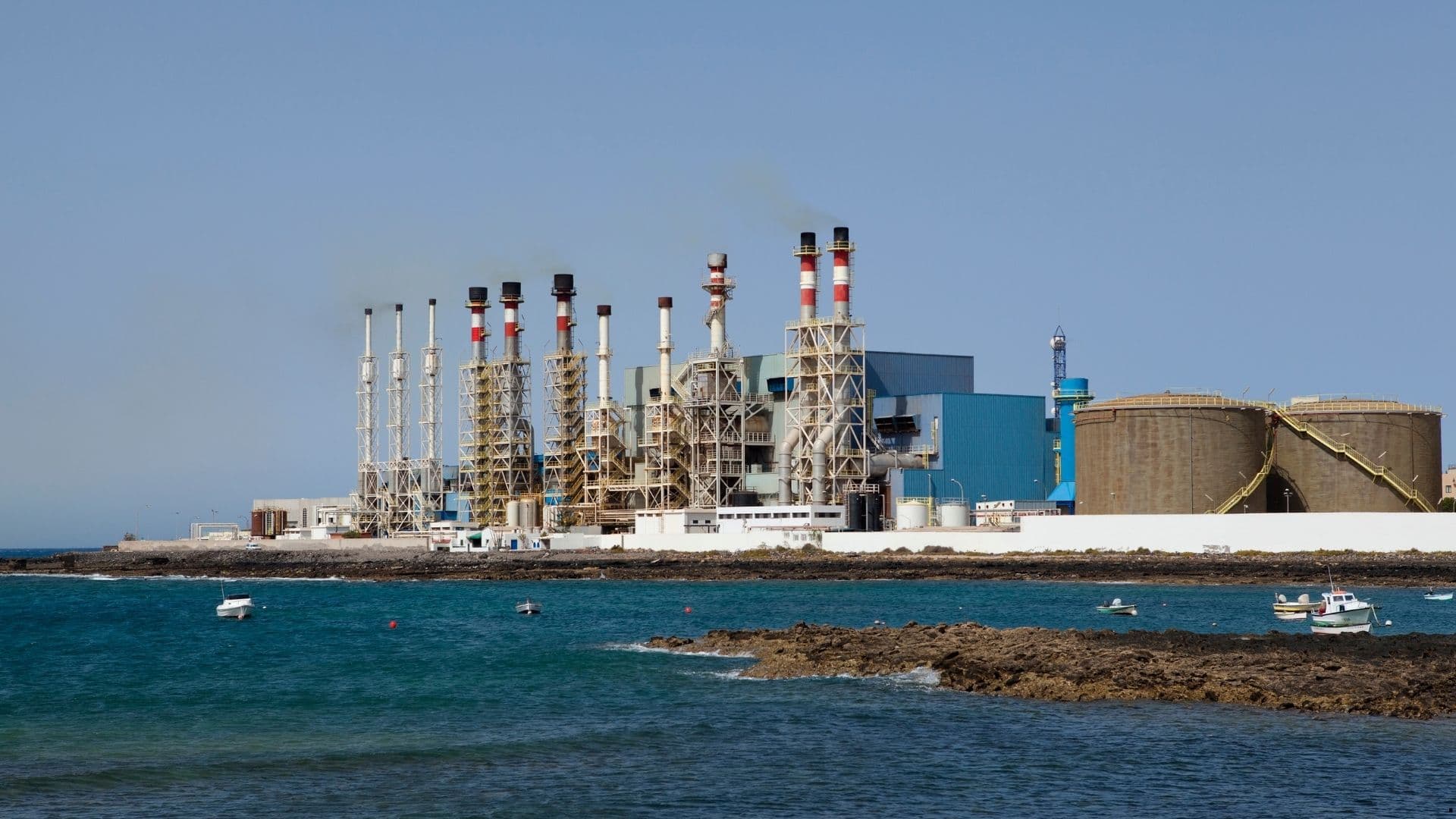
ESRS E3 is the European standard covering water and marine resources. It requires companies to report water withdrawal, discharge, consumption, recycled and reused volumes and water intensity, with separate disclosure for sites located in areas of high water stress. For companies operating in the GCC, nearly every site meets that definition, which changes the shape […]