

Emissions Reporting
18 articles
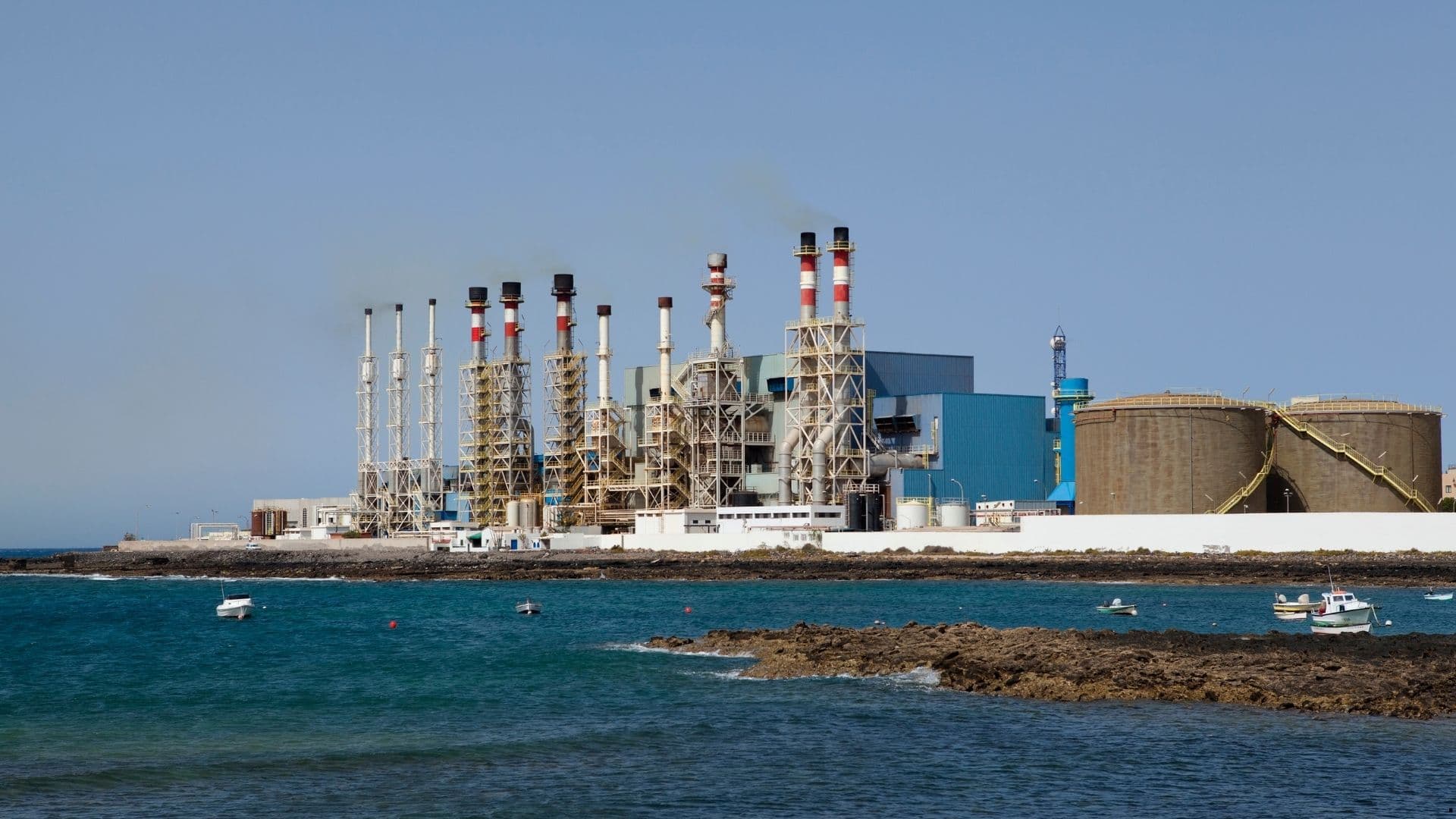
ESRS E3 is the European standard covering water and marine resources. It requires companies to report water withdrawal, discharge, consumption, recycled and reused volumes and water intensity, with separate disclosure for sites located in areas of high water stress. For companies operating in the GCC, nearly every site meets that definition, which changes the shape […]
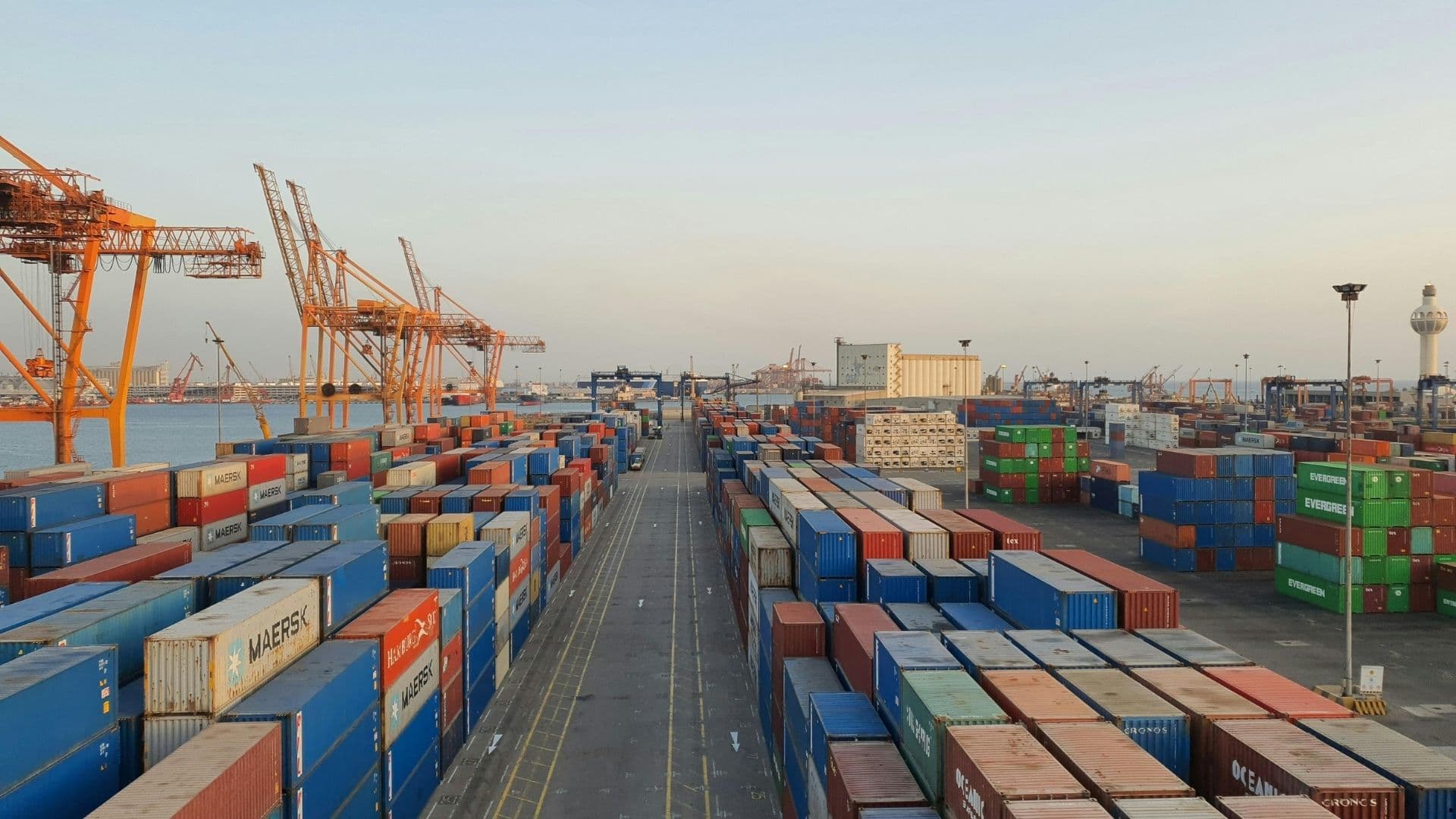
A methanol dual-fuel ship does not lower anyone’s emissions number by itself. What counts is the fuel actually burned and its full lifecycle intensity, measured well-to-wake from production through combustion. Grey methanol, made from natural gas, delivers little to no reduction; only green or bio-methanol, backed by evidence, changes what a Gulf logistics group, port […]
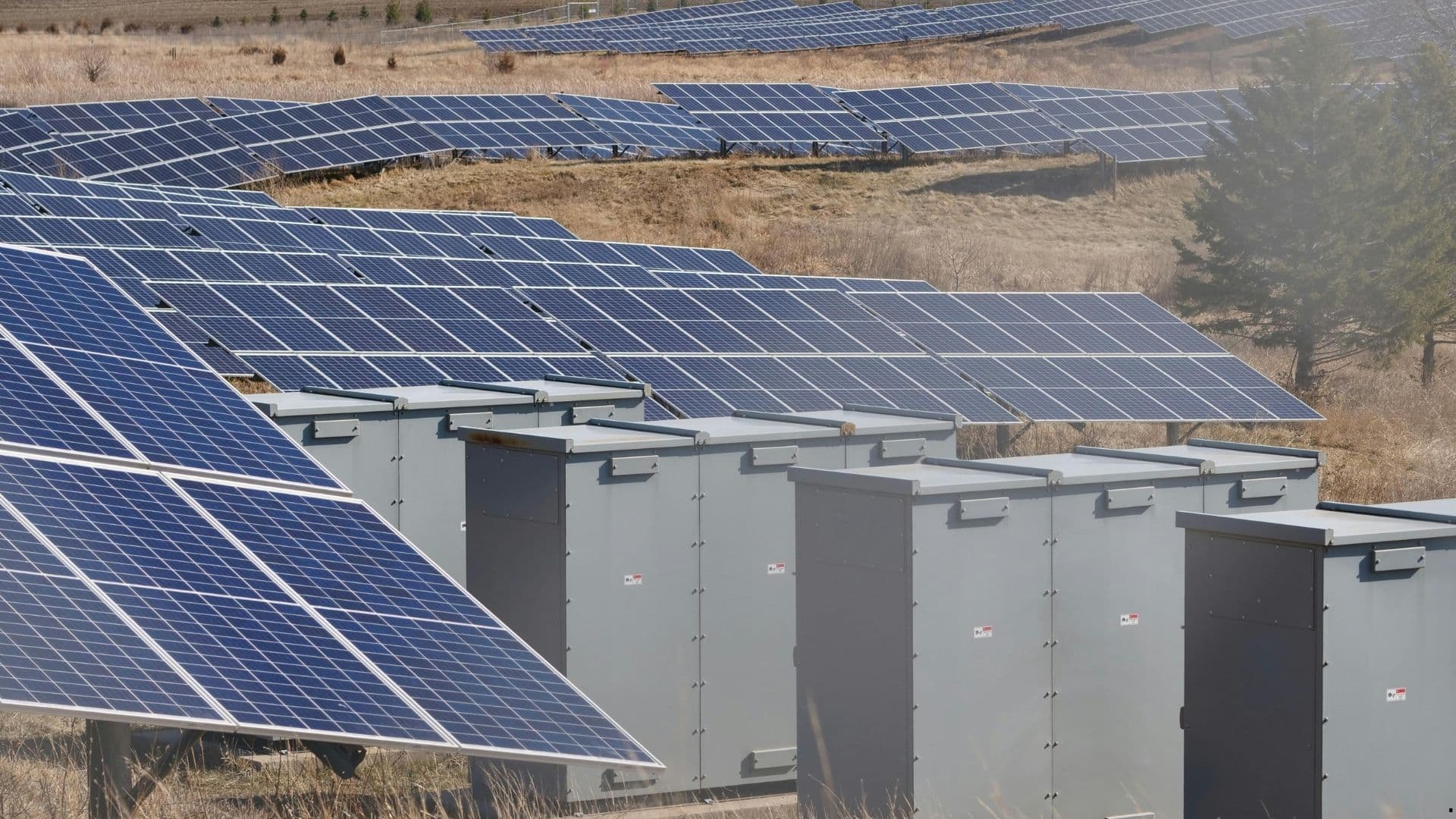
On 20 August 2026, the Saudi Power Procurement Company (SPPC), Saudi Arabia’s principal buyer of electricity, signed four agreements for 2GW of battery energy storage worth SAR 4.35 billion. It was the Kingdom’s first award of build-own-operate contracts for grid-scale storage. Every headline framed it as a milestone for renewable integration. Almost none mentioned the […]
The UAE Climate Law’s one-year transition period ended on 30 May 2026, making greenhouse gas (GHG) measurement a legal obligation for every in-scope entity in the country, with fines up to AED 2,000,000 and no size threshold. The single national filing date is expected to be extended pending the Ministry of Climate Change and Environment […]

Healthcare produces roughly 4.4% of global greenhouse gas emissions, and most of it is indirect. In the GCC, three upstream sources carry a disproportionate share and are routinely left out of measurement: anaesthetic gases vented from operating theatres (Scope 1), single-use devices whose emissions are embedded at manufacture (Scope 3), and imported pharmaceuticals produced outside […]

On 11 June 2026, the Science Based Targets initiative (SBTi) published Version 2.0 of its Corporate Net-Zero Standard, the framework most large companies use to set credible climate targets. The revision marks a change of emphasis rather than of principle. The first version rewarded the ambition of a target. The second is designed to test […]

Scope 3 Category 1, the cradle-to-gate emissions of purchased goods and services such as concrete, steel, and aluminium, accounts for the large majority of a construction company’s carbon footprint and is the most difficult category to report. In the GCC, the gap is wider because the library of verified Environmental Product Declarations is limited and […]

Leak Detection and Repair (LDAR) is a structured program used to find, measure, repair and verify leaks from equipment such as valves, flanges, connectors, pumps and compressors. In oil and gas, LDAR is especially important for managing methane emissions from fugitive sources. A strong LDAR program does not only detect leaks; it also creates the […]
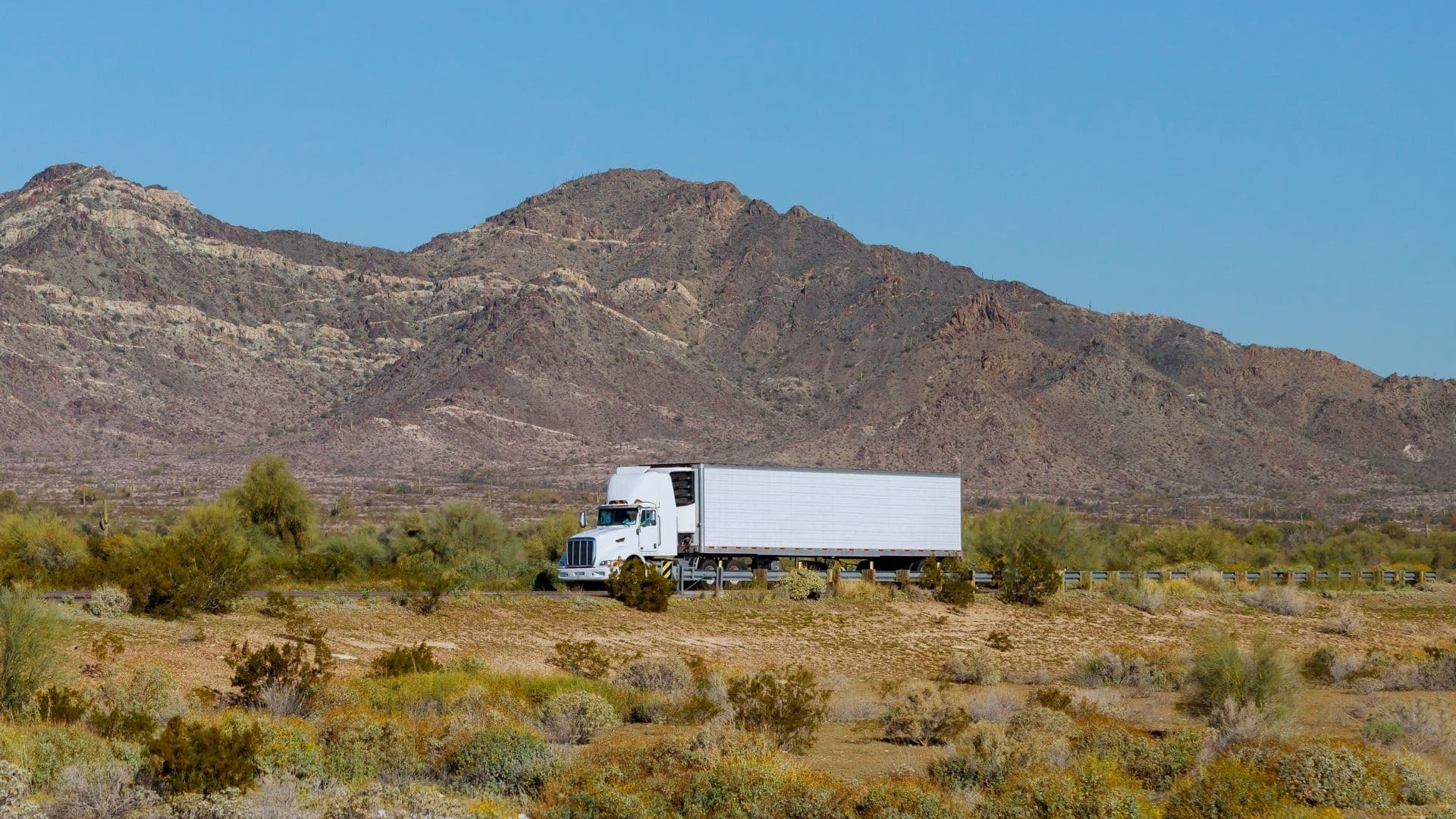
For FMCG operators in the GCC, cold chain emissions rarely sit in one neat box. They are usually split across Scope 1 fugitive emissions from refrigerant leaks, Scope 2 electricity used to keep products cold, and Scope 3 emissions from outsourced refrigerated transport and storage. The accounting treatment is straightforward in principle, but the harder […]