
Blog
Thought leadership on sustainability tech, emissions reporting, and real climate impact.
 Emissions ReportingJuly 24, 2026
SBTi’s Net-Zero Standard Version 2: From Ambition to Delivery in the GCC
On 11 June 2026, the Science Based Targets initiative (SBTi) published Version 2.0 of its Corporate Net-Zero Standard, the framework most large companies use to set credible climate targets. The revision marks a change of emphasis rather than of principle. The first version rewarded the ambition of a target. The second is designed to test […]
 Emissions ReportingJuly 16, 2026
The Construction Emissions Disclosure Gap: Why Scope 3 Category 1 Feels Impossible for GCC Builders
Scope 3 Category 1, the cradle-to-gate emissions of purchased goods and services such as concrete, steel, and aluminium, accounts for the large majority of a construction company’s carbon footprint and is the most difficult category to report. In the GCC, the gap is wider because the library of verified Environmental Product Declarations is limited and […]
 CoralJuly 7, 2026
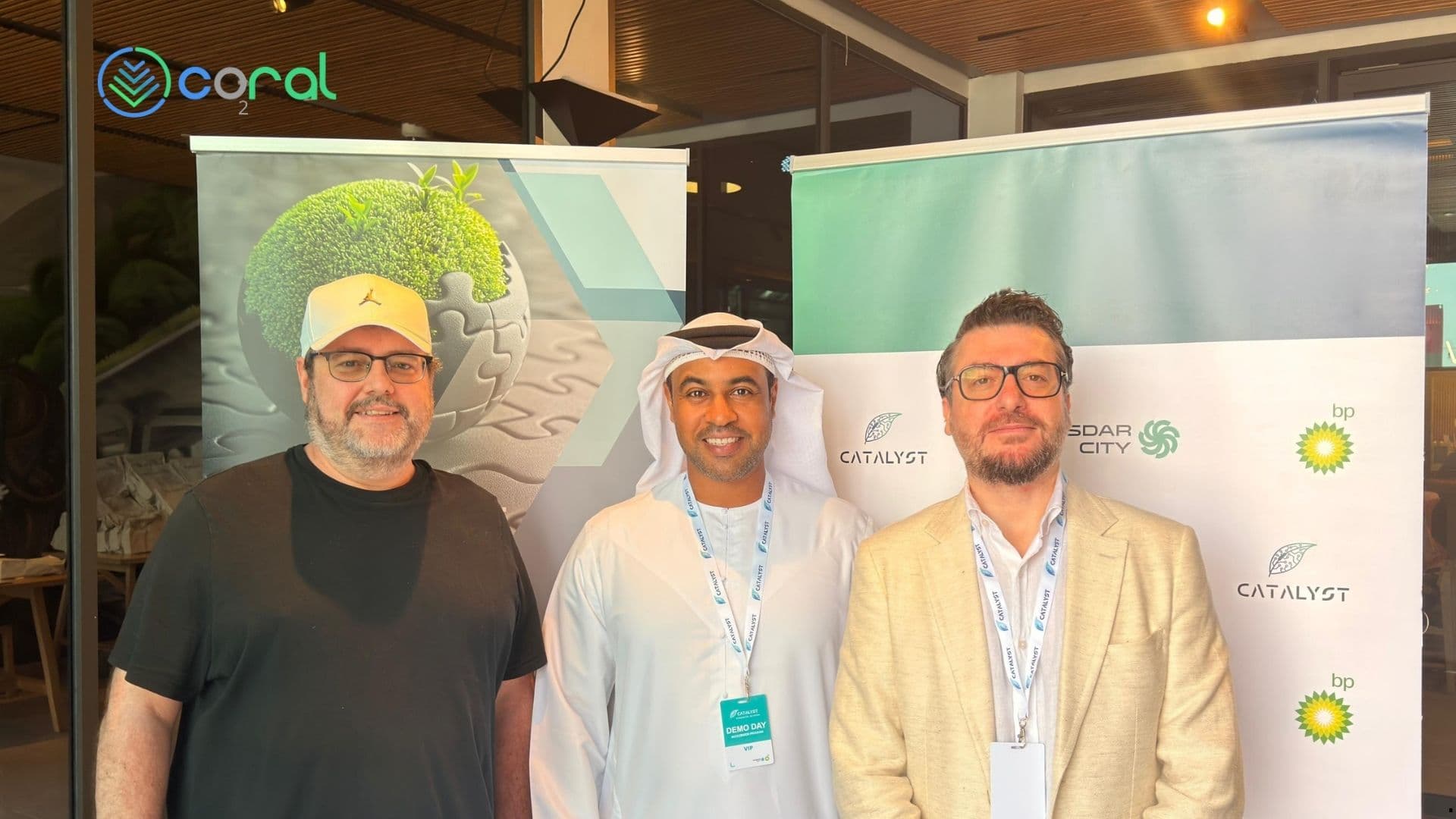
Coral welcomes Mohammed AlNakhi to its Board of Advisors
We’re glad to share that Mohammed AlNakhi has joined Coral’s Board of Advisors as Strategic Advisor, Energy & Net Zero. Mohammed knows the energy transition from the inside. With over two decades at bp, from hydrogen business development to his current role leading JV strategy and risk, and through Catalyst he’s spent years backing and […]
 SustainabilityJune 23, 2026
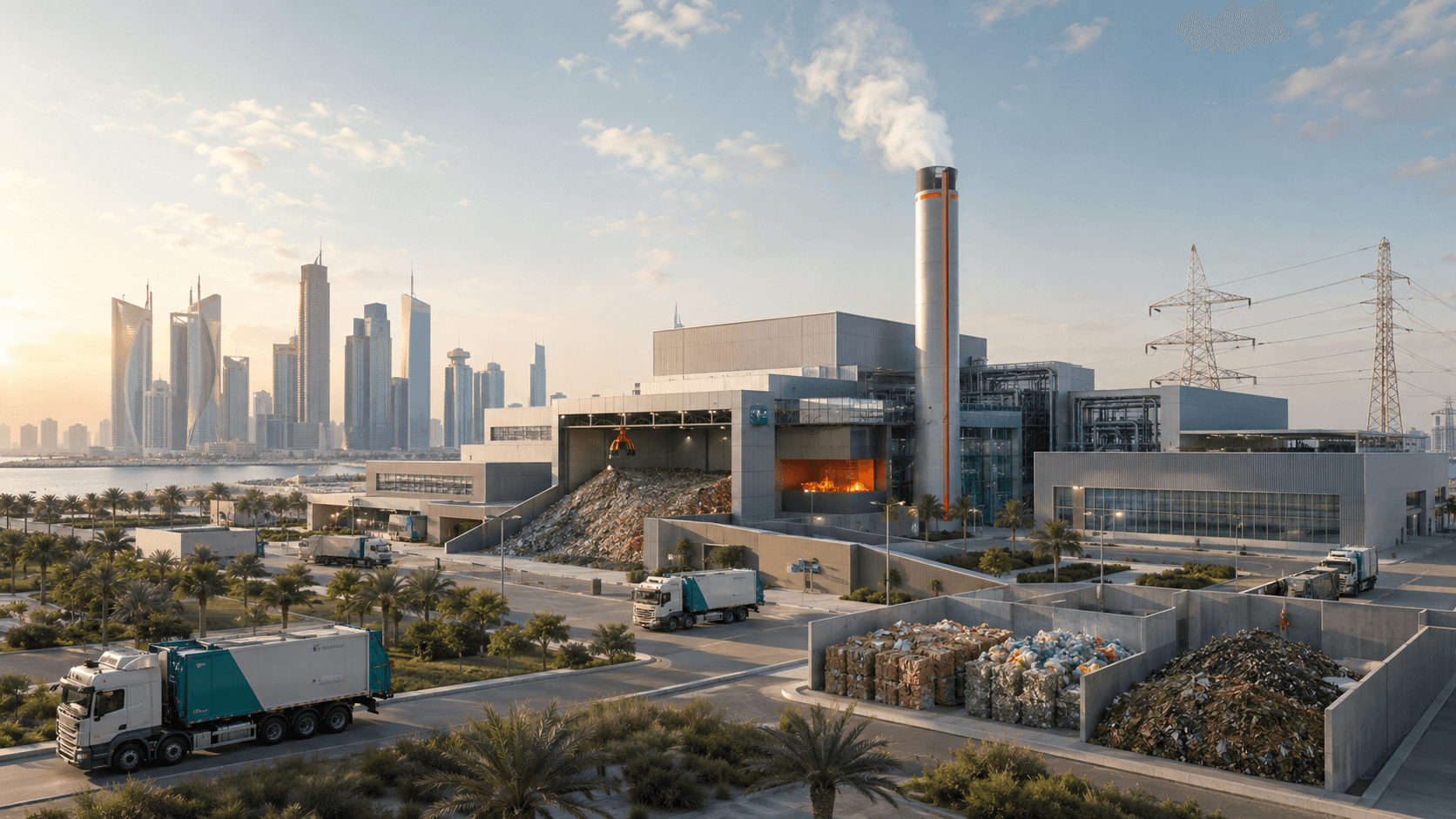
Waste-to-Energy in Gulf Cities: Climate Solution or Incineration Greenwashing?
Burning rubbish to make electricity sounds like a magic trick. Waste disappears, the grid gets power, and a landfill the size of a neighbourhood never gets built. Dubai now runs a plant that does exactly this at a scale no other single site in the world matches. Sharjah got there first. Saudi Arabia plans gigawatts […]
 CoralJune 11, 2026
The Trust Stack: Why ESG Software Has to Earn Three Kinds of Trust
The Trust Stack: Why ESG Software Has to Earn Three Kinds of Trust Most software asks you to trust it with your data. ESG software asks for something harder. It asks you to trust the numbers it gives back, then sign them, then hand them to a regulator, a lender, or an auditor with your […]
 Carbon Markets & Climate PolicyJune 8, 2026
Stranded Assets in GCC Real Estate: When Climate Risk Becomes Uninsurable
A stranded asset is a building that loses economic value well before the end of its useful life because external conditions shift, whether through physical climate damage, rising insurance costs, or new regulation. In the GCC, all three pressures are converging: the Gulf is warming faster than the global average, the most valuable waterfront stock […]
 CoralMay 19, 2026
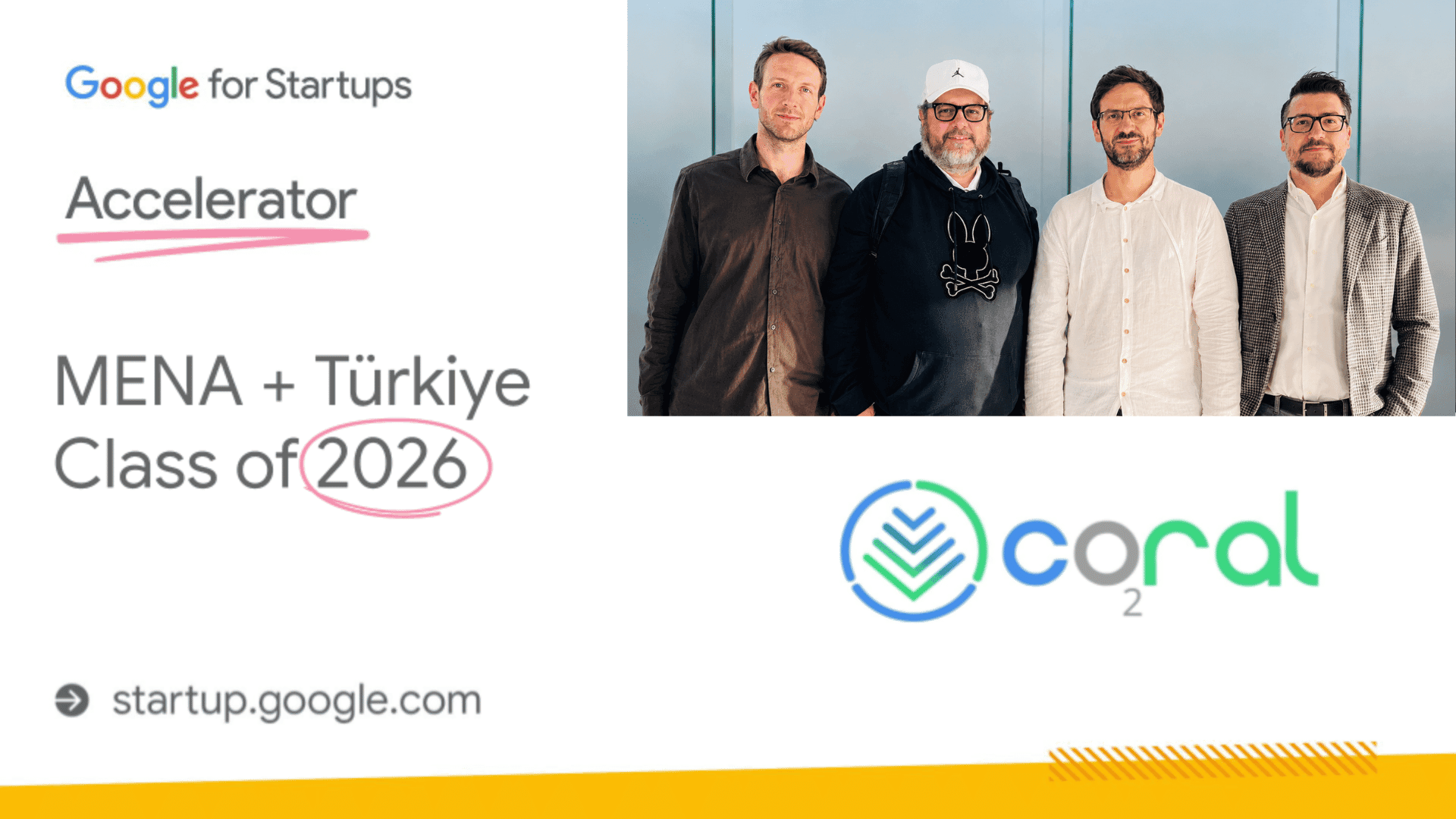
Coral joins the Google for Startups Accelerator: AI for the Middle East, North Africa and Turkey
Coral is one of 15 startups selected and the only climate and sustainability data infrastructure company in the Google for Startups Accelerator: MENAT cohort. Coral has been selected for the Google for Startups Accelerator: AI for the Middle East, North Africa and Turkey; one of 15 startups in a highly selective cohort of AI-native companies […]
 Carbon Markets & Climate PolicyMay 12, 2026
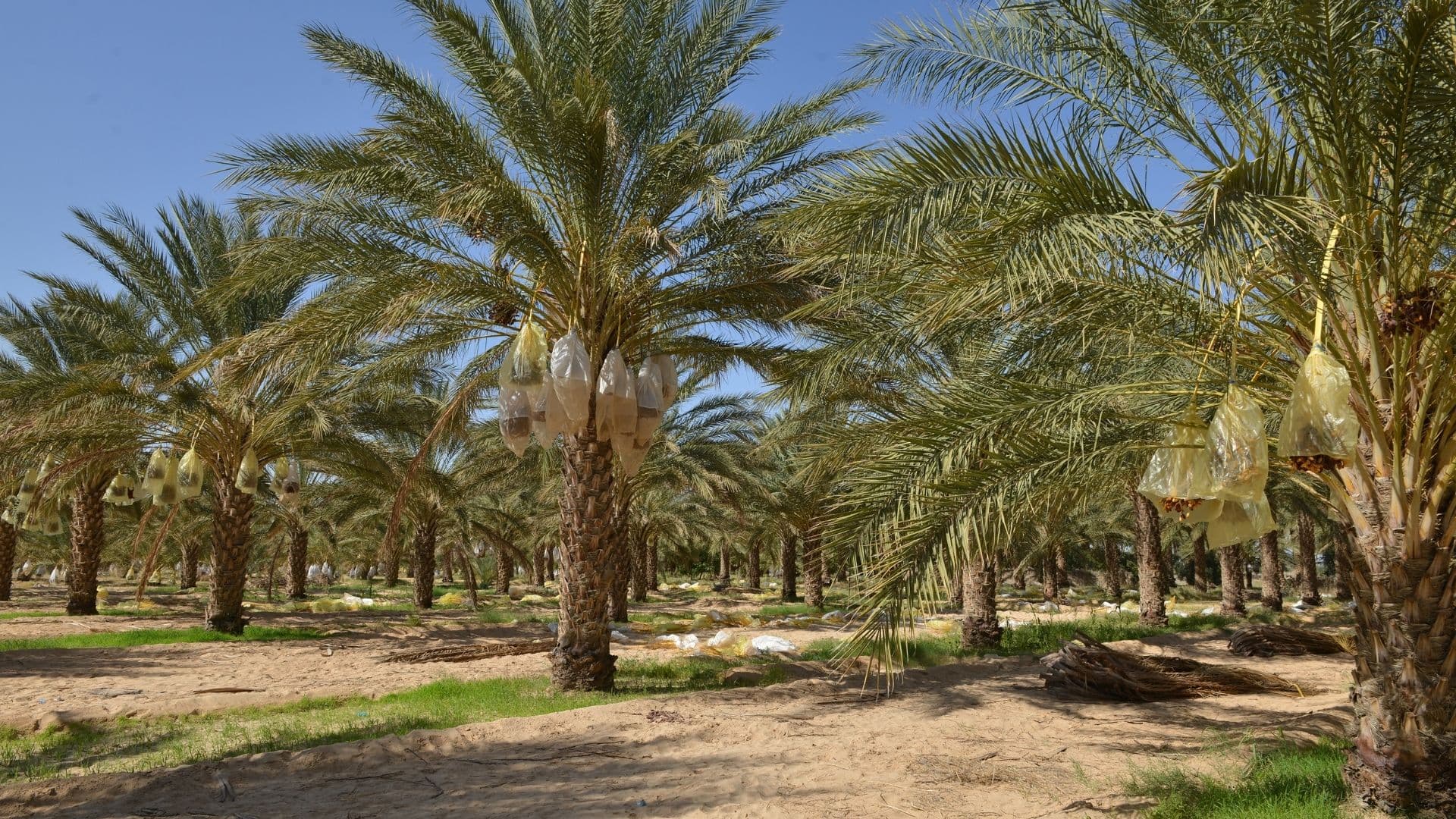
Regenerative Agriculture Credits in the GCC: Beyond Carbon to Soil Health
Regenerative agriculture credits are emerging as a way to fund farming practices that restore soil, improve water retention, reduce chemical dependency and, where properly measured, store more carbon in agricultural land. For the GCC, this is a food security, desertification, water resilience and supply-chain data story. The opportunity is real, but only if credits are […]
 Emissions ReportingMay 1, 2026
LDAR Reconciliation Without Chaos: Turning Leak Logs into Assurance-Ready Proof
Leak Detection and Repair (LDAR) is a structured program used to find, measure, repair and verify leaks from equipment such as valves, flanges, connectors, pumps and compressors. In oil and gas, LDAR is especially important for managing methane emissions from fugitive sources. A strong LDAR program does not only detect leaks; it also creates the […]