
Coral at Dubai Fintech Week: Takeaways
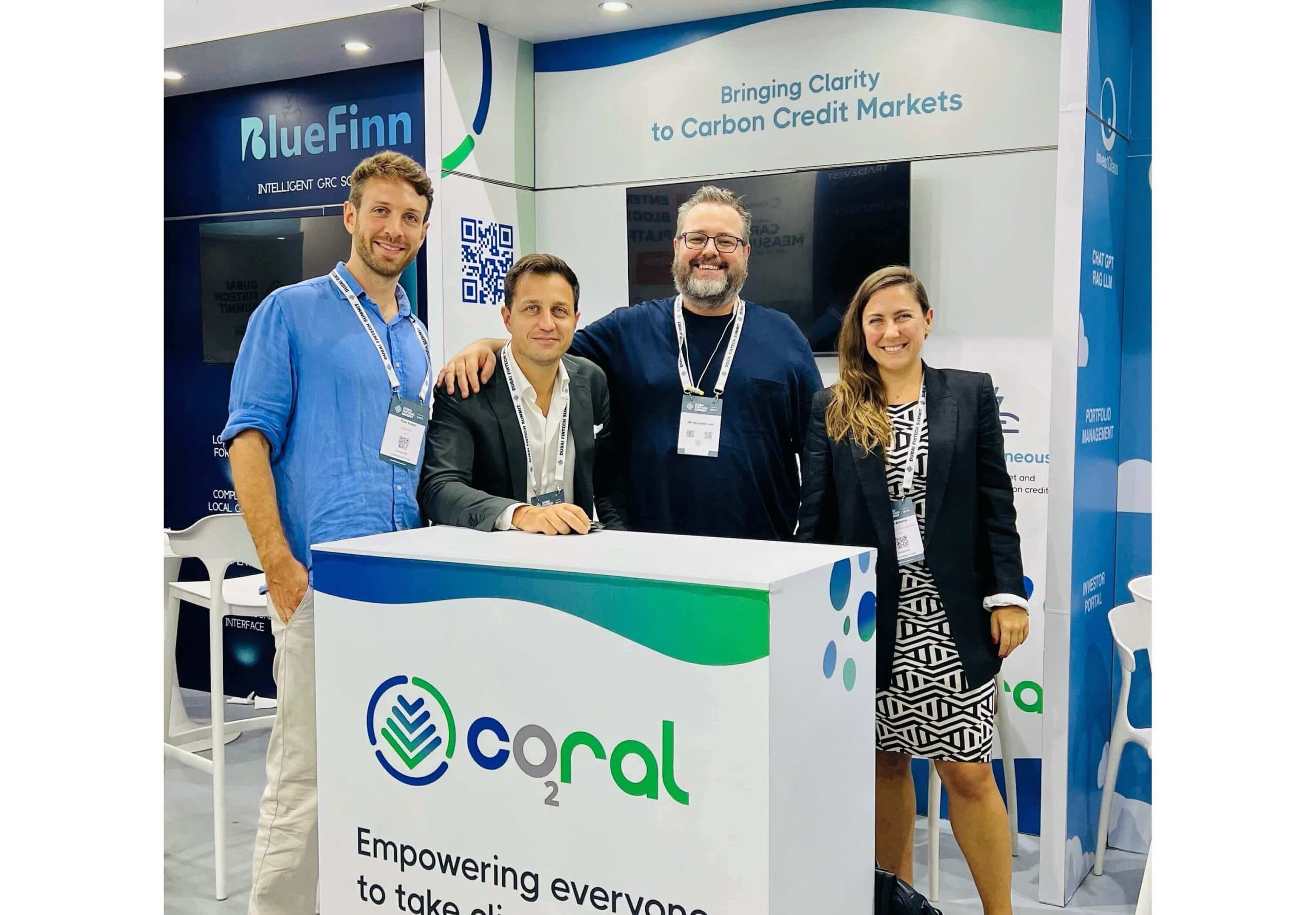
At a glance: At Dubai Fintech Week, we heard a clear shift: enterprise teams want carbon management that is audit-ready, not aspirational. Leaders asked how to measure emissions consistently, choose high-integrity credits, and embed climate action into products. The takeaways below focus on data quality, credit integrity, and practical next steps for sustainability and product teams.
Key takeaways:
- Standardized accounting and traceable data are now table stakes for enterprise buyers.
- Credit integrity matters as much as price; buyers want clear criteria for quality.
- Climate action is moving into product workflows, not just sustainability reports.
- Teams want a single source of truth that aligns finance, sustainability, and product.
Takeaway 1: Audit-ready emissions data is now table stakes
Enterprise buyers want emissions data they can defend to auditors, regulators, and internal stakeholders. The GHG Protocol Corporate Standard is a widely used framework for corporate greenhouse gas inventories, so it is a natural starting point for aligning data collection and reporting practices.
For organizations building or upgrading their emissions program, our Emissions Management Solution (EMS) is designed to standardize data intake, maintain an audit trail, and keep reporting workflows consistent across teams.
Takeaway 2: Carbon credit integrity drives buyer confidence
Buyers are no longer satisfied with vague offset claims. They want to see how credits are validated, tracked, and verified. The ICVCM Core Carbon Principles outline a set of criteria for high-integrity credits, including governance, transparency, and robust third-party verification.
For teams exploring embedded climate action, our carbon offset solutions focus on traceability and clear credit quality criteria so product teams can communicate impact confidently.
Takeaway 3: Climate action is moving into product workflows
Product leaders increasingly asked how to make climate action part of the customer experience. That means clear impact choices, reliable reporting, and frictionless integrations that do not distract from core product value.
Our view: climate features work best when they are built like any other trusted product capability, with high data quality, simple user flows, and transparent reporting.
Enterprise carbon-market readiness checklist
- Define inventory boundaries and owners for each emissions data source.
- Adopt a consistent accounting framework and document assumptions.
- Set explicit credit quality criteria and require third-party verification.
- Ensure credits are traceable from issuance to retirement in a registry.
- Align sustainability, finance, and product teams on claims and messaging.
FAQ
Which standard should companies start with for corporate GHG accounting?
Many enterprises begin with the GHG Protocol Corporate Standard, which provides requirements and guidance for preparing a corporate-level greenhouse gas inventory.
How can buyers assess carbon credit quality?
The ICVCM Core Carbon Principles provide a practical benchmark for evaluating whether credits meet high-integrity criteria such as transparency, governance, and independent verification.
What is the difference between emissions management and offsetting?
Emissions management focuses on measuring and reducing emissions across operations and value chains. Offsetting applies after reductions, using verified credits to address residual emissions and communicate impact transparently.
How should product teams embed climate action without confusing users?
Start with clear choices and transparent reporting. When climate actions are easy to understand and backed by credible data, customers can trust the experience and the claims you make.
İlgili makaleler
 Emissions Reporting16 Eylül 2026
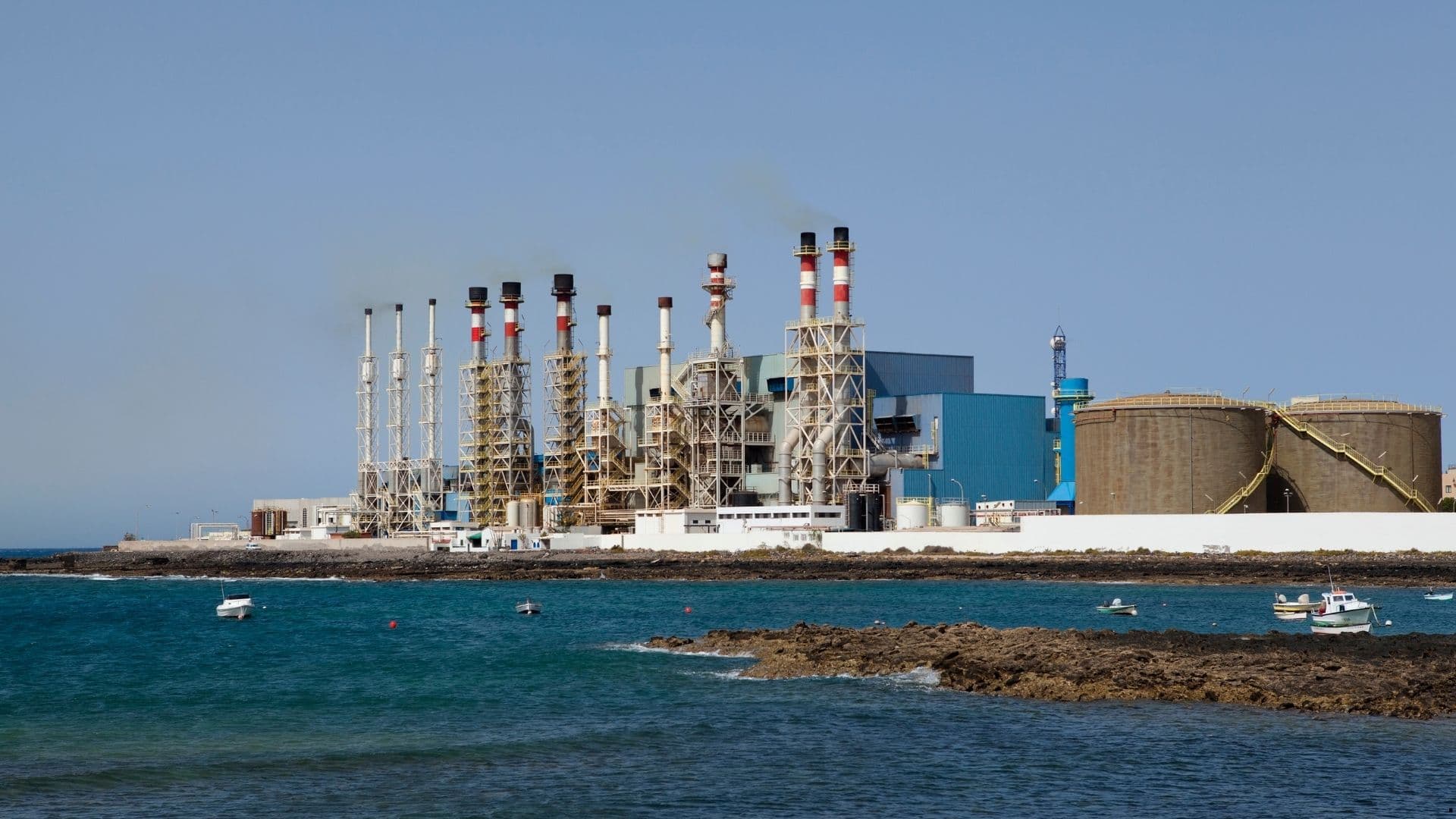
ESRS E3 Water Disclosure in the GCC: What Boards Need to Know
ESRS E3 is the European standard covering water and marine resources. It requires companies to report water withdrawal, discharge, consumption, recycled and reused volumes and water intensity, with separate disclosure for sites located in areas of high water stress. For companies operating in the GCC, nearly every site meets that definition, which changes the shape […]
 Emissions Reporting10 Eylül 2026
Dual-Fuel Ships Won’t Cut Your Scope 1 and 3 Automatically
A methanol dual-fuel ship does not lower anyone’s emissions number by itself. What counts is the fuel actually burned and its full lifecycle intensity, measured well-to-wake from production through combustion. Grey methanol, made from natural gas, delivers little to no reduction; only green or bio-methanol, backed by evidence, changes what a Gulf logistics group, port […]
 Emissions Reporting3 Eylül 2026
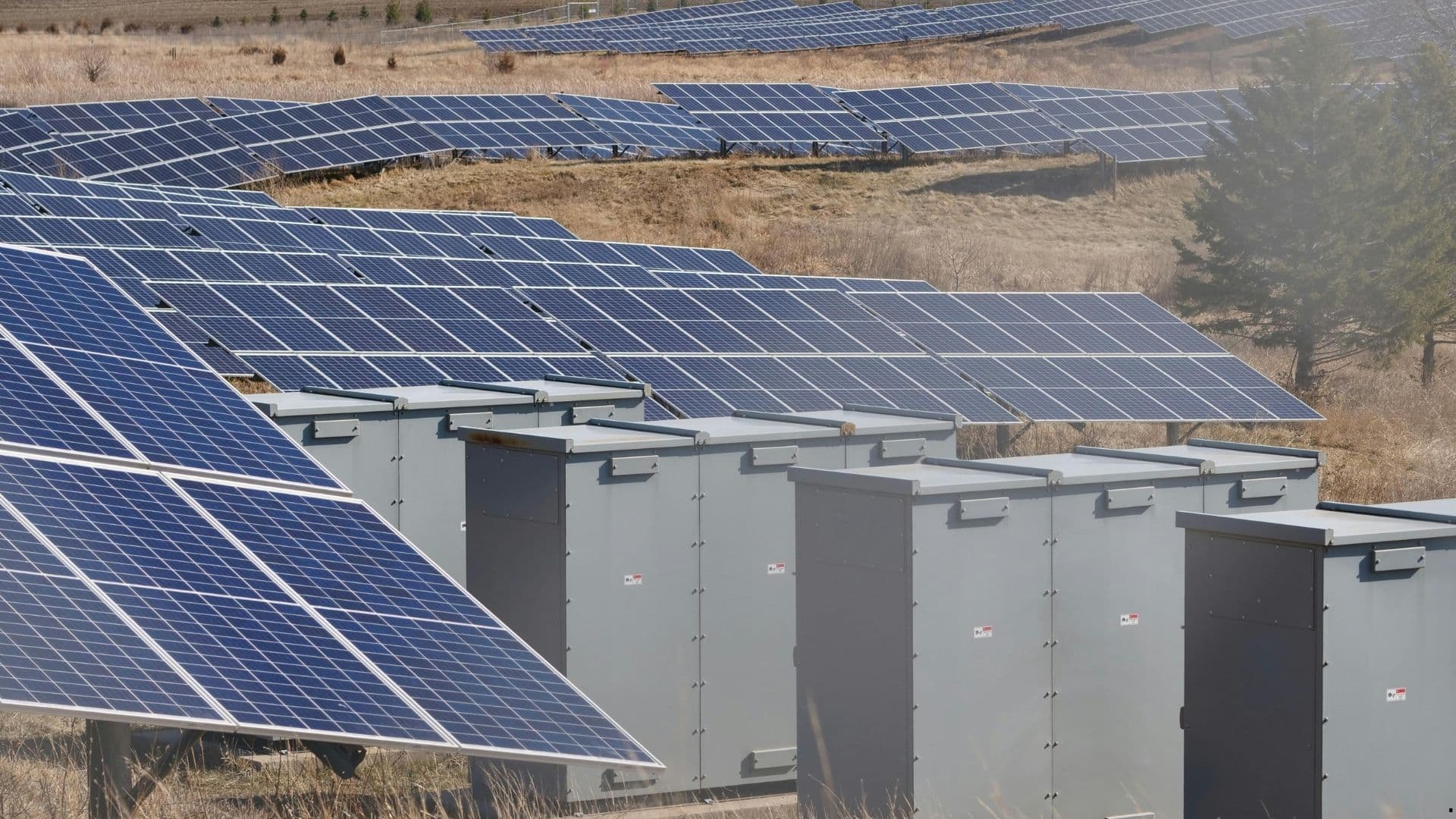
Saudi Arabia’s 2GW Battery Storage Deal and the Scope 2 Accounting Gap
On 20 August 2026, the Saudi Power Procurement Company (SPPC), Saudi Arabia’s principal buyer of electricity, signed four agreements for 2GW of battery energy storage worth SAR 4.35 billion. It was the Kingdom’s first award of build-own-operate contracts for grid-scale storage. Every headline framed it as a milestone for renewable integration. Almost none mentioned the […]