
Transforming Carbon Markets and Its Impacts

The operationalization of Article 6.4 at COP29 marks a turning point for global carbon markets. Under the Paris Agreement, this framework introduces a centralized system for emission reduction projects and carbon credit trading, promising increased transparency, credibility, and collaboration.
What Article 6.4 Means for Carbon Markets
- Standardization and Integrity: The UN-supervised framework ensures consistent methodologies for generating and trading carbon credits, addressing concerns around market fragmentation and trust.
- Alignment with National Systems: National and Regional Emission Trading Schemes (ETS) are expected to align with UN standards, reducing risks of double counting and increasing overall market efficiency.
- Global Collaboration: The framework facilitates cross-border investments in emission reduction projects, offering cost-effective pathways to achieve Nationally Determined Contributions (NDCs).
- Environmental Safeguards: Robust standards safeguard environmental and human rights, raising the credibility of projects within the system.
- Voluntary Market Influence: Article 6.4 sets benchmarks that could elevate the quality of voluntary carbon markets, encouraging greater alignment with global standards.
Impacts Across Stakeholders
- For Countries: Article 6.4 provides an avenue to achieve NDCs cost-effectively through international cooperation, enabling broader participation in emission reduction projects.
- For Corporations: Businesses gain access to credible, internationally recognized carbon credits, supporting their transition to net-zero while bolstering transparency and stakeholder confidence.
- For Carbon Credit Developers: Developers face new opportunities and challenges, as demand for high-quality credits rises alongside stricter validation and compliance standards.
Coral’s Role in Evolving Carbon Market
Coral is uniquely positioned to support businesses navigating this transformative moment. By integrating Article 6.4 standards into our platform, we aim to:
- Enhance Compliance: Offer seamless solutions for due diligence and adherence to new regulations.
- Strengthen Reporting: Provide robust tools for emissions tracking and decarbonization pathway planning.
- Empower Clients: Enable companies to leverage carbon credits strategically within broader sustainability strategies.
Looking Ahead
The success of Article 6.4 lies in its ability to bridge global agendas, mobilize financing, and maintain market integrity. At Coral, we are excited to help businesses turn these opportunities into actionable strategies, fostering a sustainable future where transparency and collaboration drive lasting impact.
The journey to a low-carbon economy is complex, but with the right tools and partnerships, it is achievable. Coral remains at the forefront of this transition, equipping companies to lead with integrity and purpose.
İlgili makaleler
 Emissions Reporting16 Eylül 2026
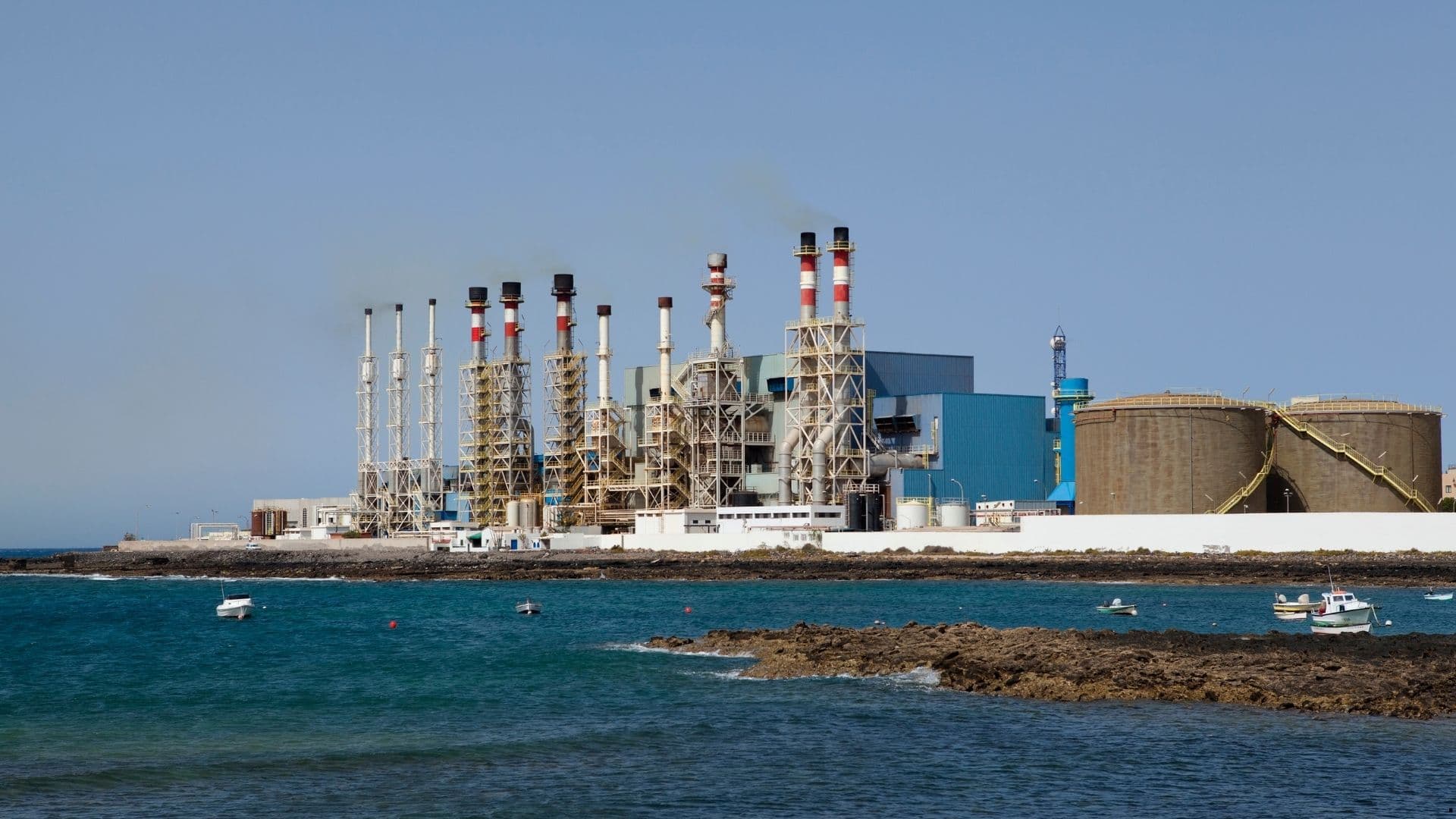
ESRS E3 Water Disclosure in the GCC: What Boards Need to Know
ESRS E3 is the European standard covering water and marine resources. It requires companies to report water withdrawal, discharge, consumption, recycled and reused volumes and water intensity, with separate disclosure for sites located in areas of high water stress. For companies operating in the GCC, nearly every site meets that definition, which changes the shape […]
 Emissions Reporting10 Eylül 2026
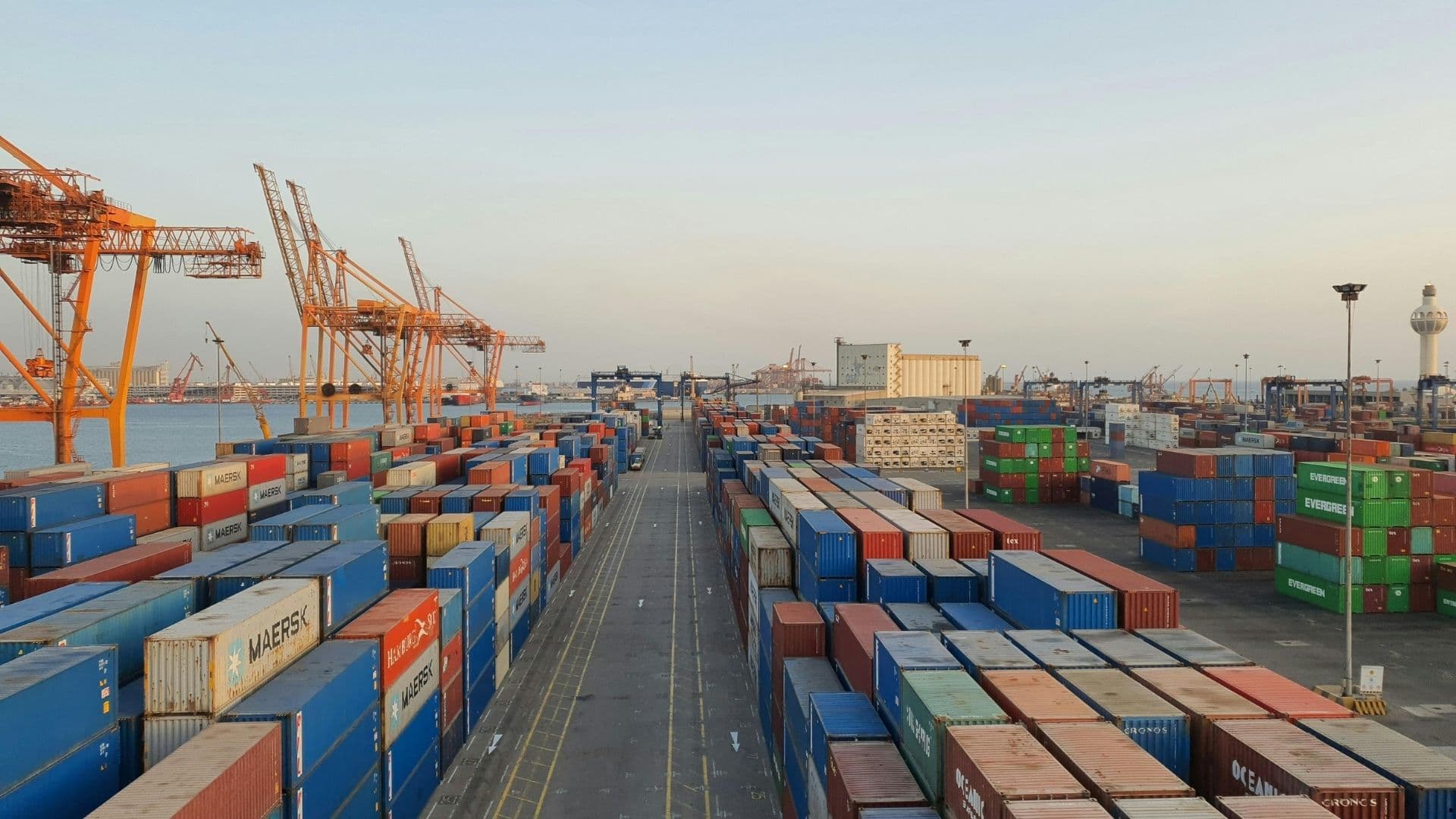
Dual-Fuel Ships Won’t Cut Your Scope 1 and 3 Automatically
A methanol dual-fuel ship does not lower anyone’s emissions number by itself. What counts is the fuel actually burned and its full lifecycle intensity, measured well-to-wake from production through combustion. Grey methanol, made from natural gas, delivers little to no reduction; only green or bio-methanol, backed by evidence, changes what a Gulf logistics group, port […]
 Emissions Reporting3 Eylül 2026
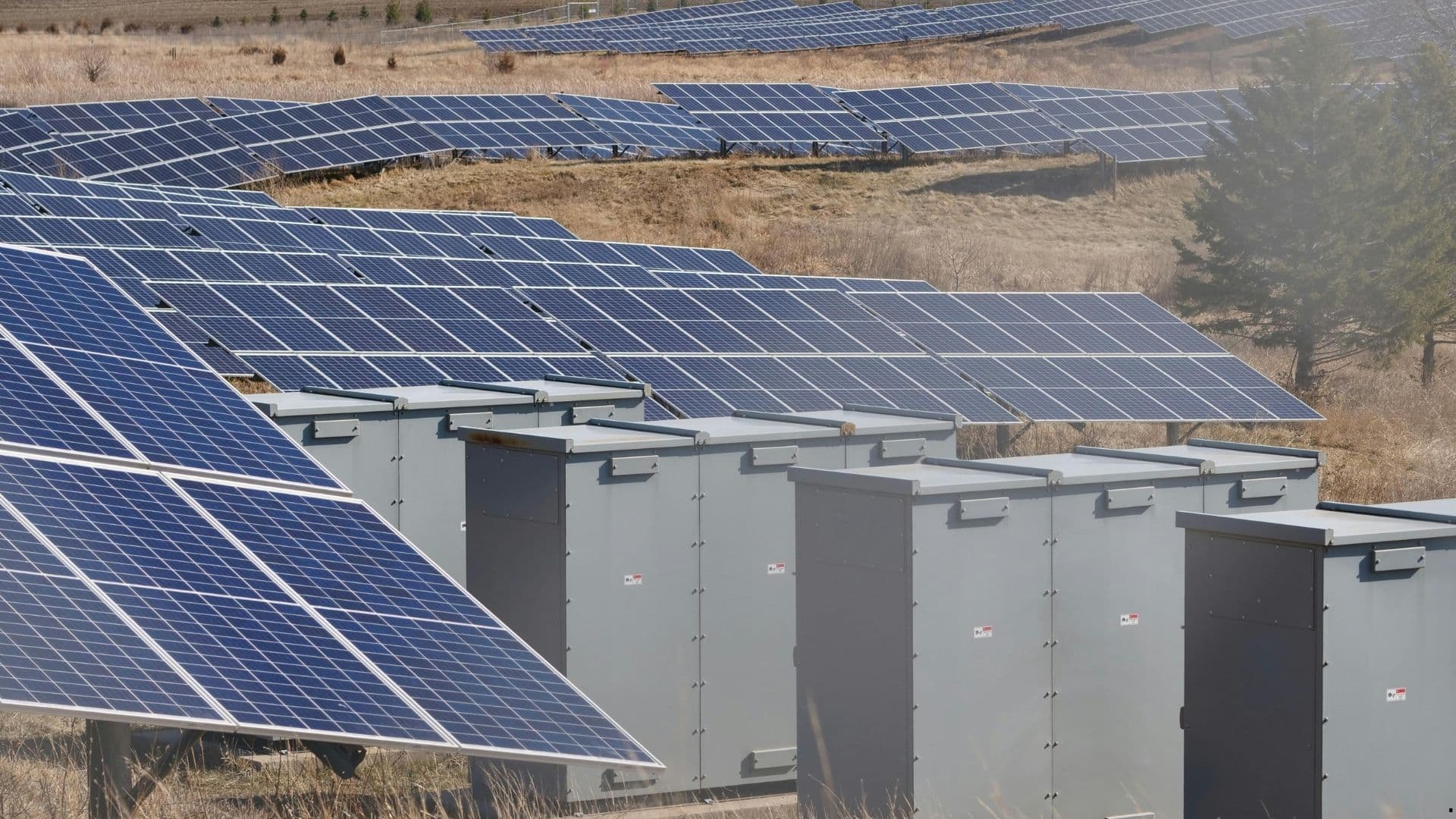
Saudi Arabia’s 2GW Battery Storage Deal and the Scope 2 Accounting Gap
On 20 August 2026, the Saudi Power Procurement Company (SPPC), Saudi Arabia’s principal buyer of electricity, signed four agreements for 2GW of battery energy storage worth SAR 4.35 billion. It was the Kingdom’s first award of build-own-operate contracts for grid-scale storage. Every headline framed it as a milestone for renewable integration. Almost none mentioned the […]