
Carbon Markets & Climate Policy
١٢ مقالاً
 Carbon Markets & Climate Policy٨ أكتوبر ٢٠٢٦
COP31 in Antalya: What Türkiye’s Presidency Means for GCC Companies
COP31 takes place in Antalya, Türkiye, from 9 to 20 November 2026, with Türkiye holding the Presidency and Australia chairing the negotiations. It will not create binding rules for GCC companies. But the summit’s flagship electrification pledge, Türkiye’s new emissions trading system and the EU’s Carbon Border Adjustment Mechanism (CBAM) will change what Turkish and […]
 Carbon Markets & Climate Policy٢٥ سبتمبر ٢٠٢٦
Türkiye’s Carbon Market Pilot: 2026 Data Sets Your 2027 Carbon Bill
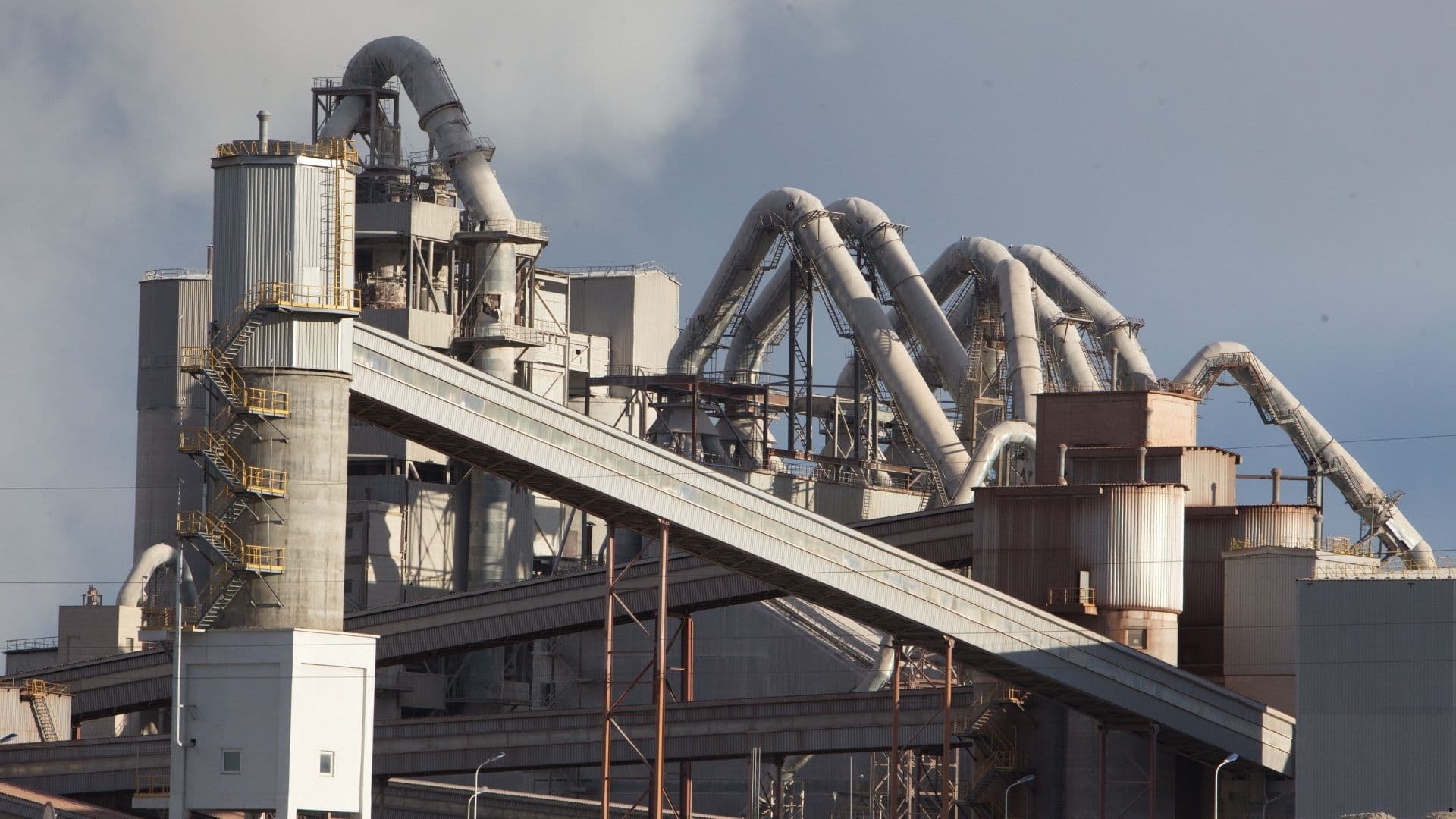
Türkiye’s Emissions Trading System (TR ETS) regulation entered into force on 27 August 2026. The Carbon Market Board’s first decision (KPK/2026/1) then set a 2026–2027 pilot for Category B and C installations in five sectors: electricity generation, cement, iron and steel, aluminium and fertilisers. 2026 is a reporting-only year, and carbon pricing starts in 2027. […]
 Carbon Markets & Climate Policy١٢ أغسطس ٢٠٢٦
Inside Saudi Arabia’s Carbon Market: A 2026 Offset Strategy for Gulf Corporates
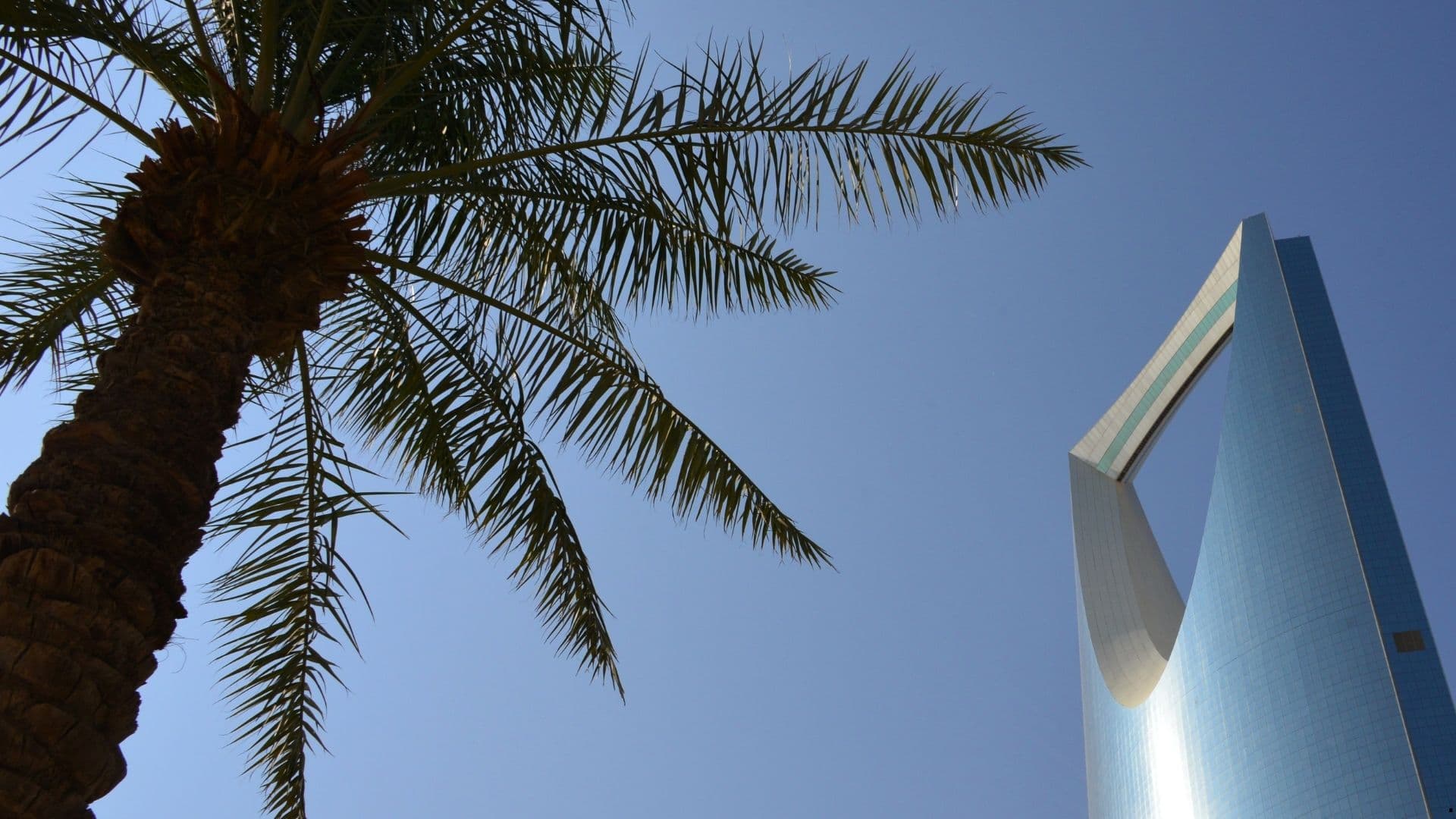
Saudi Arabia now offers two routes to carbon credits. RVCMC is a PIF- and Tadawul-backed trading exchange, and GCOM is the domestic mechanism for Saudi-origin projects. Almost all credits sold through RVCMC so far originate outside the Kingdom, and whether a credit is authorised under Article 6 decides what a buyer can legally claim. For […]
 Carbon Markets & Climate Policy٦ أغسطس ٢٠٢٦
CBAM in 2026: What GCC Steel and Aluminium Exporters Actually Owe
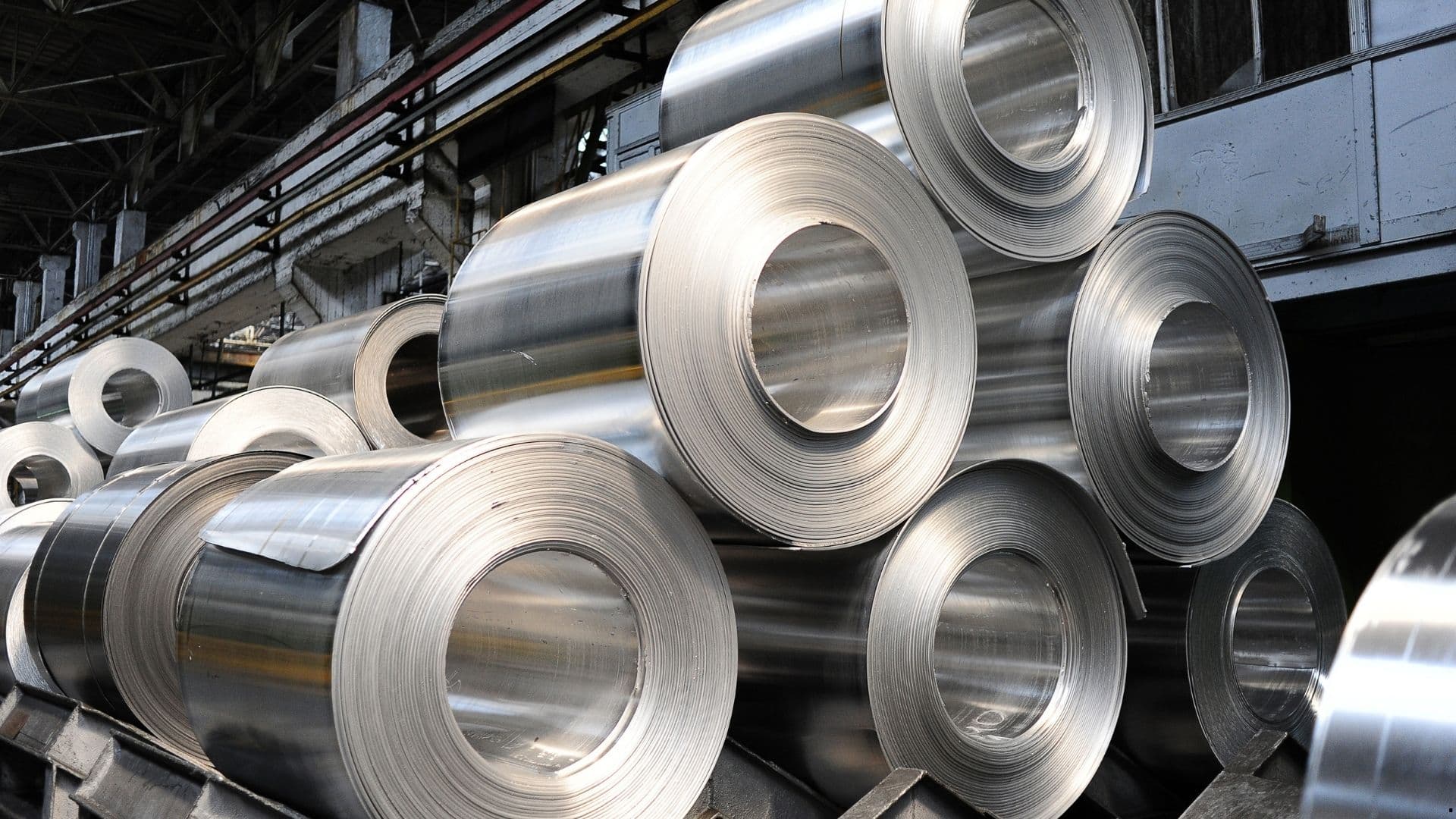
The EU’s Carbon Border Adjustment Mechanism (CBAM) entered its definitive regime on 1 January 2026, but a GCC steel or aluminium exporter owes very little in certificate cash for 2026, and nothing is payable until 30 September 2027. What is owed now is verified emissions data. The cost curve looks gentle this year and steepens […]
 Carbon Markets & Climate Policy٨ يونيو ٢٠٢٦
Stranded Assets in GCC Real Estate: When Climate Risk Becomes Uninsurable
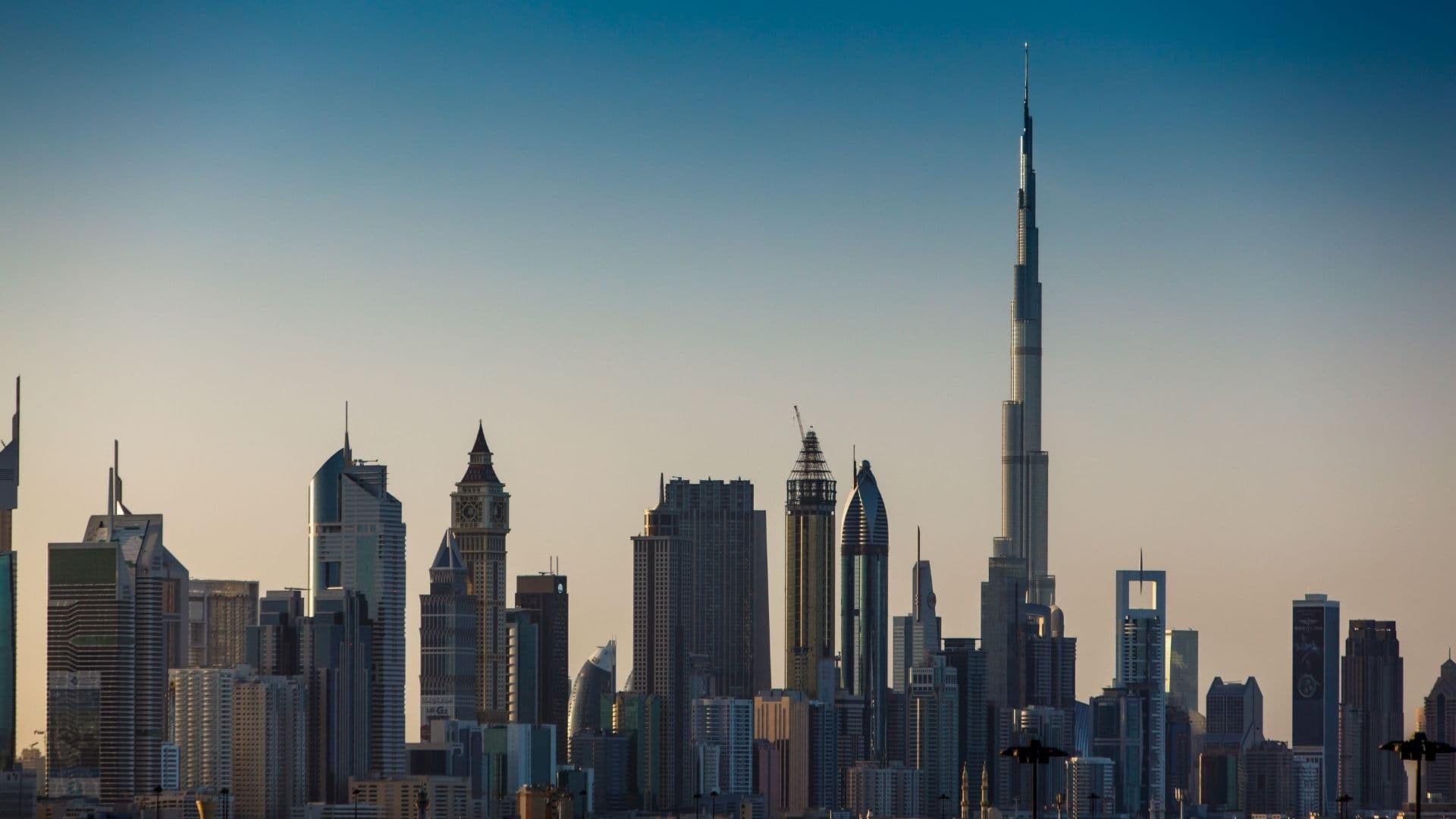
A stranded asset is a building that loses economic value well before the end of its useful life because external conditions shift, whether through physical climate damage, rising insurance costs, or new regulation. In the GCC, all three pressures are converging: the Gulf is warming faster than the global average, the most valuable waterfront stock […]
 Carbon Markets & Climate Policy١٢ مايو ٢٠٢٦
Regenerative Agriculture Credits in the GCC: Beyond Carbon to Soil Health
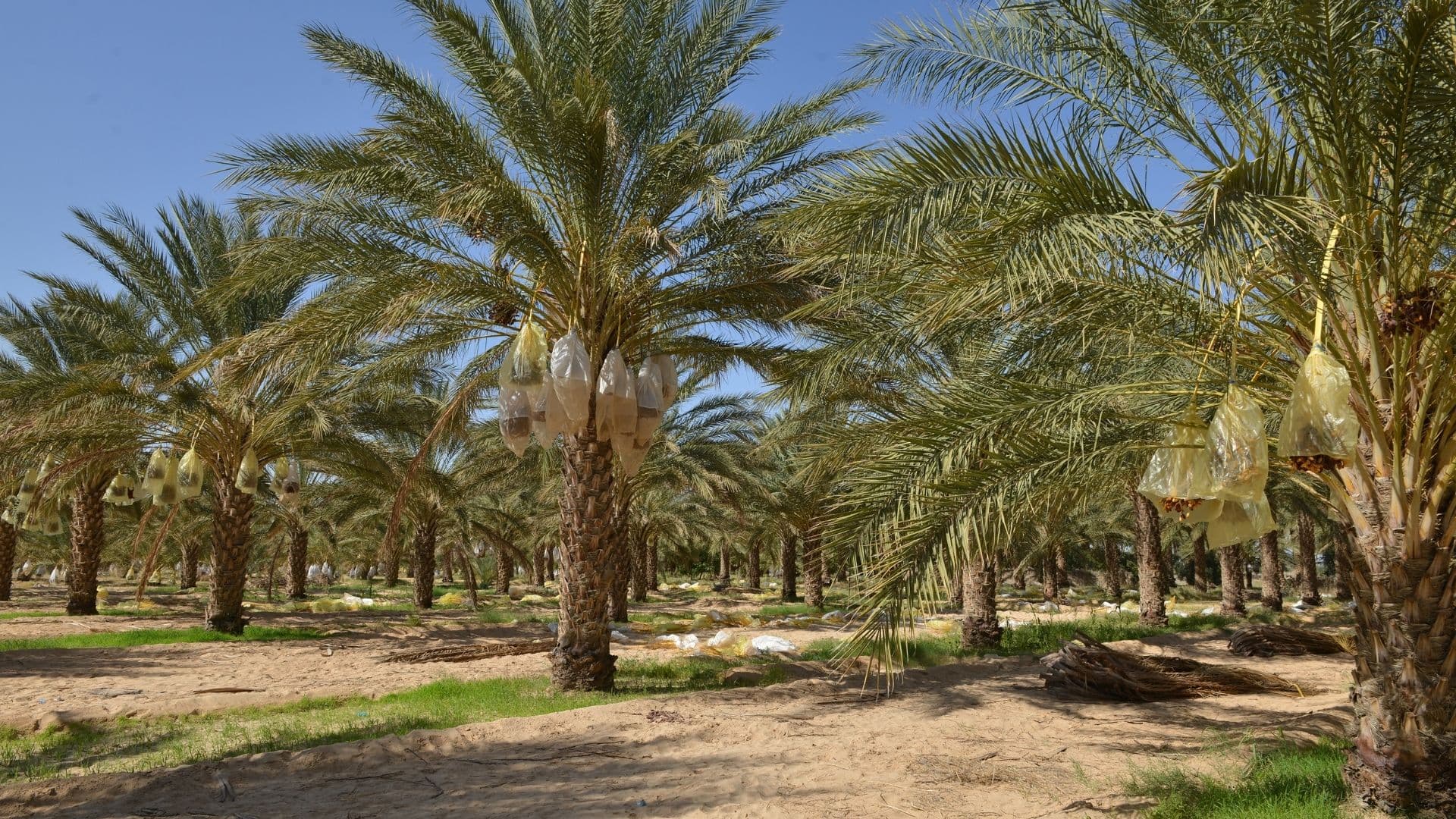
Regenerative agriculture credits are emerging as a way to fund farming practices that restore soil, improve water retention, reduce chemical dependency and, where properly measured, store more carbon in agricultural land. For the GCC, this is a food security, desertification, water resilience and supply-chain data story. The opportunity is real, but only if credits are […]
 Carbon Markets & Climate Policy٢٢ أبريل ٢٠٢٦
Marketplace Scope 3: Sellers, Goods, and the Data Model for E-commerce Reality in the GCC
The GCC’s marketplace economy is getting bigger, faster, and harder to measure cleanly. Dubai’s Dubai Traders Initiative says it has onboarded more than 2,600 e-commerce sellers, and WORLDEF Dubai 2026 explicitly framed the future of e-commerce around innovation, sustainability, and inclusive growth. In parallel, the UAE climate law applies to sources in the state, including […]
 Carbon Markets & Climate Policy١٥ أبريل ٢٠٢٦
Cold Chain & Refrigerants: The Overlooked FMCG Emissions Hotspot in the GCC
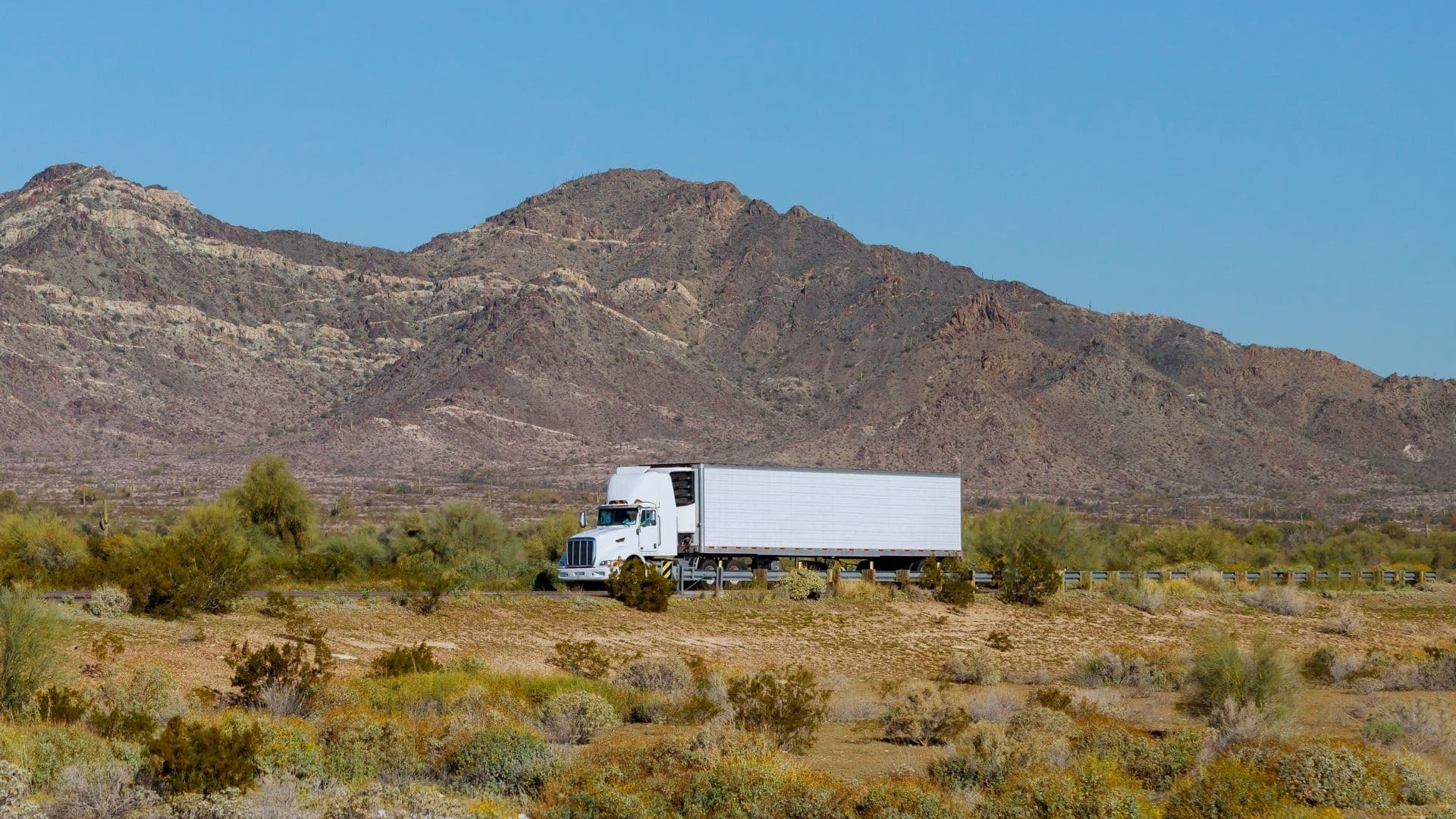
For FMCG operators in the GCC, cold chain emissions rarely sit in one neat box. They are usually split across Scope 1 fugitive emissions from refrigerant leaks, Scope 2 electricity used to keep products cold, and Scope 3 emissions from outsourced refrigerated transport and storage. The accounting treatment is straightforward in principle, but the harder […]
 Carbon Markets & Climate Policy١٦ فبراير ٢٠٢٦
What COP Outcomes Mean for UAE and Saudi Net Zero Plans
COP outcomes matter in the GCC when they change what gets funded, what gets bought, and what gets audited. COP29 (Baku, 2024) agreed a quantified post‑2025 New Collective Quantified Goal (NCQG) on climate finance, with developed countries taking the lead in mobilizing USD 300bn per year by 2035 for developing countries and a broader collective […]