

منصة واحدة لرحلة الاستدامة بأكملها.
- ISO 27001:2022
- متوافق مع SOC 2
- متوافق مع GDPR
- التحقق من حسابات GHG
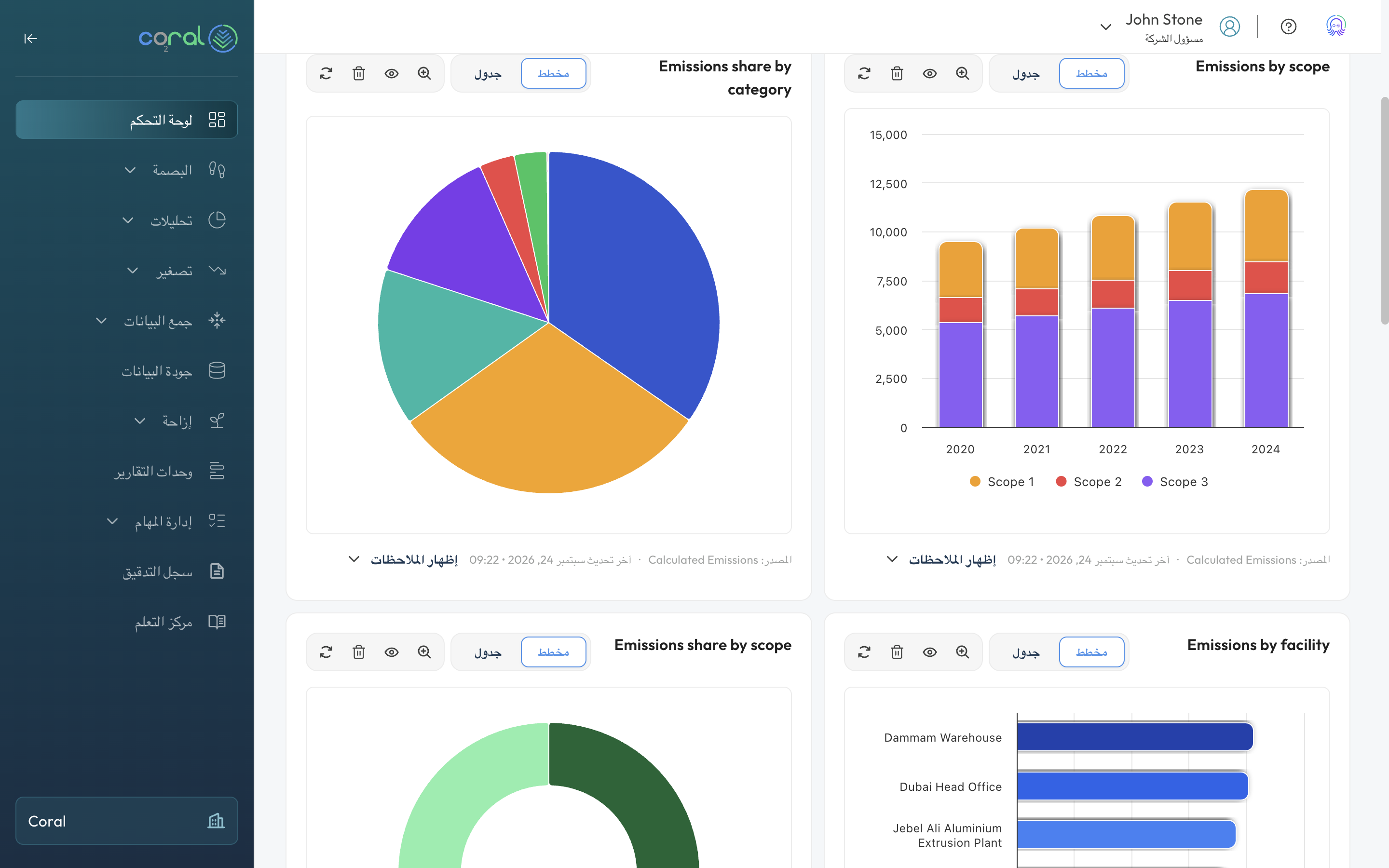
بسيطة. سلسة. بنتائج حقيقية.
Coral منصة ESG مبنية على الذكاء الاصطناعي توحّد إدارة الانبعاثات والمؤشرات الاجتماعية وتقارير الحوكمة—لتبسيط الامتثال وتحقيق أثر مناخي حقيقي.
تثق بنا












امتثال بلا عناء
تؤتمت Coral إدخال البيانات والحسابات ومحاسبة الكربون للنطاقات ١–٣، مع لوحات معلومات فورية وخرائط طريق لإزالة الكربون، مما يقلّص وقت إعداد التقارير بنسبة تصل إلى ٩٥٪ ويقضي على الأخطاء اليدوية. تجمع المنصة بياناتك البيئية تلقائيًا وتنظمها ثم تحوّلها إلى تقارير جاهزة للتدقيق، بلا جداول بيانات ولا عناء في معالجة البيانات. كما تتابع المنصة باستمرار اللوائح المتسارعة عالميًا لتبقى متقدّمًا دون عبء إضافي. متوافقة مع CSRD وGRI وSEC وقانون المناخ في دولة الإمارات وغيرها من الأطر العالمية.

تعويضات شفافة
تتحقق Coral من كل رصيد كربوني عبر سجلات مستقلة وبيانات حية عن المشاريع، لتعرف بالضبط أين تذهب أموال التعويض. تربط منصتنا كل طن مُخفَّض بتوفير في التكاليف وحوافز تنظيمية وزيادة في ولاء العملاء، لتصبح الجدوى المالية واضحة. وتكشف لوحات معلومات بديهية الأداء لحظيًا، فتحوّل الاستدامة من مركز تكلفة إلى محرّك نمو. مع Coral، تبني الشفافية الثقة ويعود استثمارك المناخي مباشرةً إلى صافي الربح.
تنفيذ ESG بوضوح وسرعة وتحكّم
استكشف ركائز المنصة التي تحوّل بيانات الاستدامة المبعثرة إلى قرارات واثقة وجاهزة للتدقيق.
استخدم مفتاحي السهم الأيسر والأيمن للتنقل بين الشرائح.
٠١ من ٠٦
دقة مؤتمتة
اقضِ دقائق لا أشهرًا على تقارير ESG. يقلّل الذكاء الاصطناعي في Coral وقت جمع البيانات يدويًا بنسبة تصل إلى ٩٥٪، ما يحرر الفرق من جداول البيانات التي لا تنتهي والحسابات والأخطاء البشرية. والنتيجة دقة جاهزة للتدقيق تبني الثقة لدى الجهات التنظيمية والمستثمرين وأصحاب المصلحة، وتمنحك وقتًا للتركيز على العمل المناخي الحقيقي.
امتثال بلا تعقيد
ابقَ متقدّمًا على CSRD وGRI وSEC وغيرها من المعايير المتغيرة دون أن تغرق في التعقيد. تؤتمت Coral التقارير المتوافقة مع الأطر، وتقدّم الدقة والامتثال الكامل في كل مرة. وهذا يعني جهدًا مهدرًا أقل وحرية أكبر للتركيز على أهداف الاستدامة الاستراتيجية التي تدفع أعمالك إلى الأمام.
رؤية واضحة للنطاق ٣
كثيرًا ما تُغفَل انبعاثات سلسلة التوريد، مع أنها قد تمثل الجزء الأكبر من البصمة الإجمالية. تكشف Coral بيانات النطاق ٣ الخفية مباشرةً من الفواتير وسجلات المشتريات، لتتخطى النقاط العمياء. والنتيجة رؤية أوضح وأكثر شمولًا لسلسلة القيمة بأكملها، تحوّل التعقيد إلى رؤى قابلة للتنفيذ.
استدامة مدفوعة بالعائد
حوّل الاستدامة من مجرد خانة امتثال إلى استثمار فعلي. تُنمذج Coral مبادرات خفض الانبعاثات جنبًا إلى جنب مع أثرها المالي، لتثبت العائد وتساعدك على كسب دعم الإدارة. وعبر مواءمة العمل المناخي مع الأداء التجاري، تصبح ESG محركًا للنمو والتنافسية وخلق القيمة على المدى الطويل.
قرارات تضع الكربون أولًا
لكل قرار شراء أو استثمار تكلفة انبعاثات، وCoral تجعلها مرئية. عبر دمج بيانات الكربون في القرارات اليومية، نمكّنك من اتخاذ قرارات أكثر خضرة وذكاءً وفعالية من حيث التكلفة. والنتيجة مخاطر أقل وإنفاق أقل وخفض قابل للقياس في الانبعاثات يتراكم مع الوقت.
آمنة وقابلة للتوسع
أمن البيانات غير قابل للتفاوض عندما يتعلق الأمر بـ ESG. Coral معتمدة وفق ISO 27001:2022—تم تدقيقها والتحقق منها بشكل مستقل لتلبية معايير أمن المعلومات الدولية عبر منصتنا وواجهات API والبنية التحتية. ومع الامتثال لـ SOC 2 والامتثال الكامل لـ GDPR، تُحمى بياناتك بأمن على مستوى المؤسسات. تتوسع منصتنا بسلاسة عبر القطاعات والمناطق لتوفر المرونة والموثوقية مع نمو طموحاتك.
كل ما تحتاجه للقياس وإعداد التقارير وخفض الانبعاثات
بيانات كربون دقيقة
تؤتمت Coral جمع البيانات والحسابات لتوفّر للفرق بيانات انبعاثات بمستوى دقة البيانات المالية لحظيًا، وتقضي على العمل اليدوي والأخطاء بشكل شبه كامل.
تقارير ESG شاملة
تجاوز الكربون عبر سير عمل إفصاح منظم للموضوعات الاجتماعية (القوى العاملة، سلسلة التوريد، المجتمعات) والحوكمة (الأخلاقيات، مكافحة الفساد، الضرائب) — بما يغطي معايير GRI وCSRD/ESRS.
رؤى لخفض الانبعاثات
يحدد الذكاء الاصطناعي مبادرات الخفض الأقل تكلفة لبصمتك وأهدافك، ويحوّل الاستدامة فورًا من بند تكلفة إلى محرّك للأرباح.
تقييم ESG للمورّدين
قيّم المورّدين عبر ستة أبعاد — البيئة، والمجتمع، وحقوق العمال، والأخلاقيات، والمشتريات المستدامة — لتعزيز سلسلة القيمة بالكامل.
الأهمية النسبية المزدوجة
قيّم أثر أعمالك على الناس والكوكب، وكيف تؤثر عوامل ESG على وضعك المالي — ضمن سير عمل التقارير.
توصيل وتشغيل
موصلات جاهزة لأنظمة ERP مثل SAP، إلى جانب منصات المحاسبة وإنترنت الأشياء والسفر، لتعمل Coral حيث توجد بياناتك.
ماذا يقول عملاؤنا

أُعجبنا كثيرًا ببرنامج Coral. إنه أسرع وأكثر دقة، ويغيّر طريقة جمع البيانات وتحليلها جذريًا.
مدير الفريق
Nissan Formula E Team
أكثر ما أعجبنا هو سهولة الاستخدام. تمكّنا من العمل منذ اليوم الأول، مع حد أدنى من تفاعل المستخدم.
شريك إداري
شركة رأس مال مالي
اطّلعت على ١٠ منصات هذا الشهر، وCoral فعلًا هي المنصة المميزة.
رئيس قسم ESG
شركة تصنيع سلع استهلاكية (FMCG)
نقدّر مدى سهولة Coral وبديهية استخدامها. وفّرت وقتًا كبيرًا لفريقنا وحسّنت جاهزيتنا للاستدامة.
مسؤول الاستدامة
شركة تجزئة إلكترونية
من تساعدهم Coral:

القيادة الفكرية

COP31 in Antalya: What Türkiye’s Presidency Means for GCC Companies
COP31 takes place in Antalya, Türkiye, from 9 to 20 November 2026, with Türkiye holding the Presidency and Australia chairing the negotiations. It will not create binding rules for GCC companies. But the summit’s flagship electrification pledge, Türkiye’s new emissions trading system and the EU’s Carbon Border Adjustment Mechanism (CBAM) will change what Turkish and […]
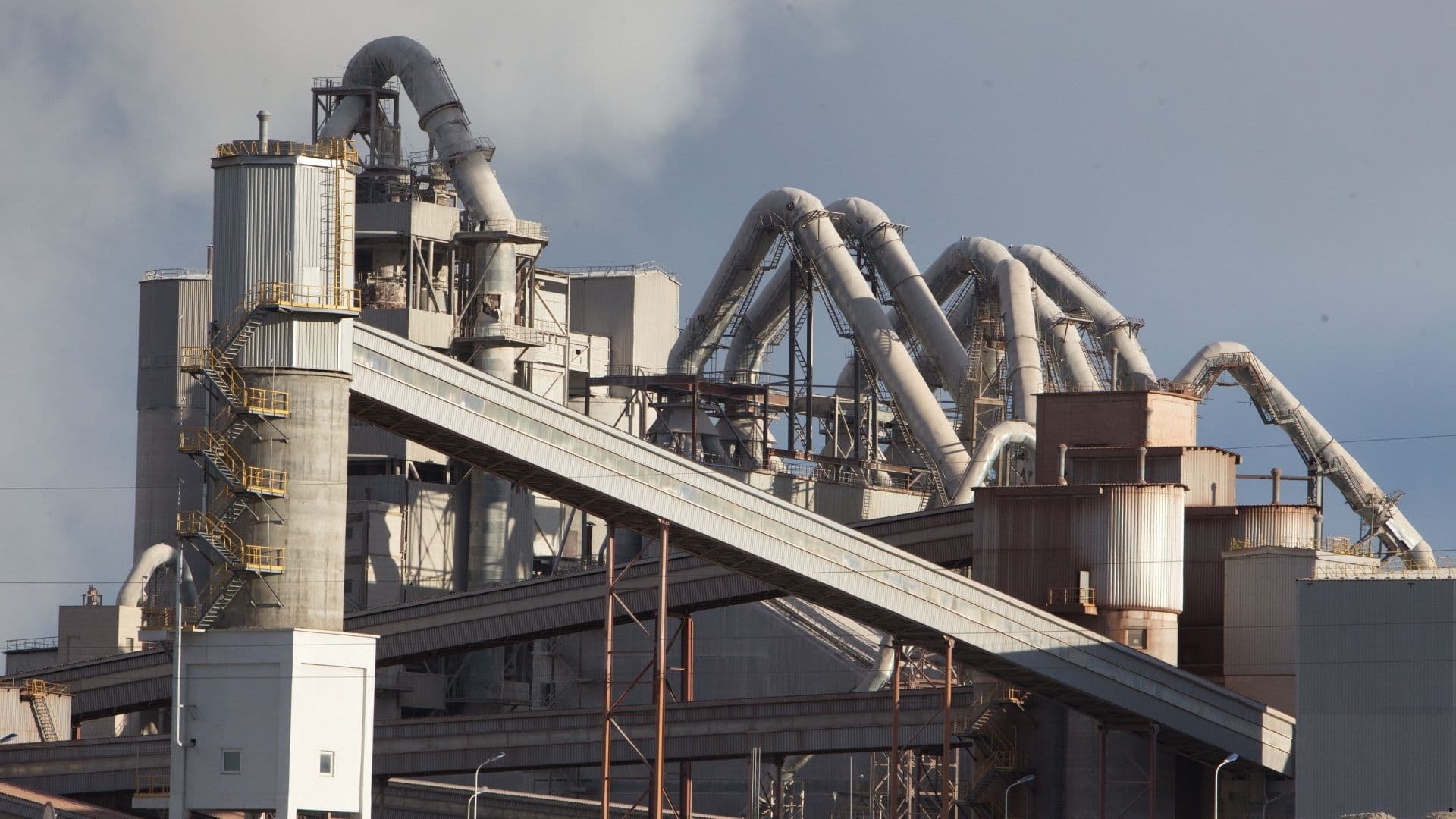
Türkiye’s Carbon Market Pilot: 2026 Data Sets Your 2027 Carbon Bill
Türkiye’s Emissions Trading System (TR ETS) regulation entered into force on 27 August 2026. The Carbon Market Board’s first decision (KPK/2026/1) then set a 2026–2027 pilot for Category B and C installations in five sectors: electricity generation, cement, iron and steel, aluminium and fertilisers. 2026 is a reporting-only year, and carbon pricing starts in 2027. […]
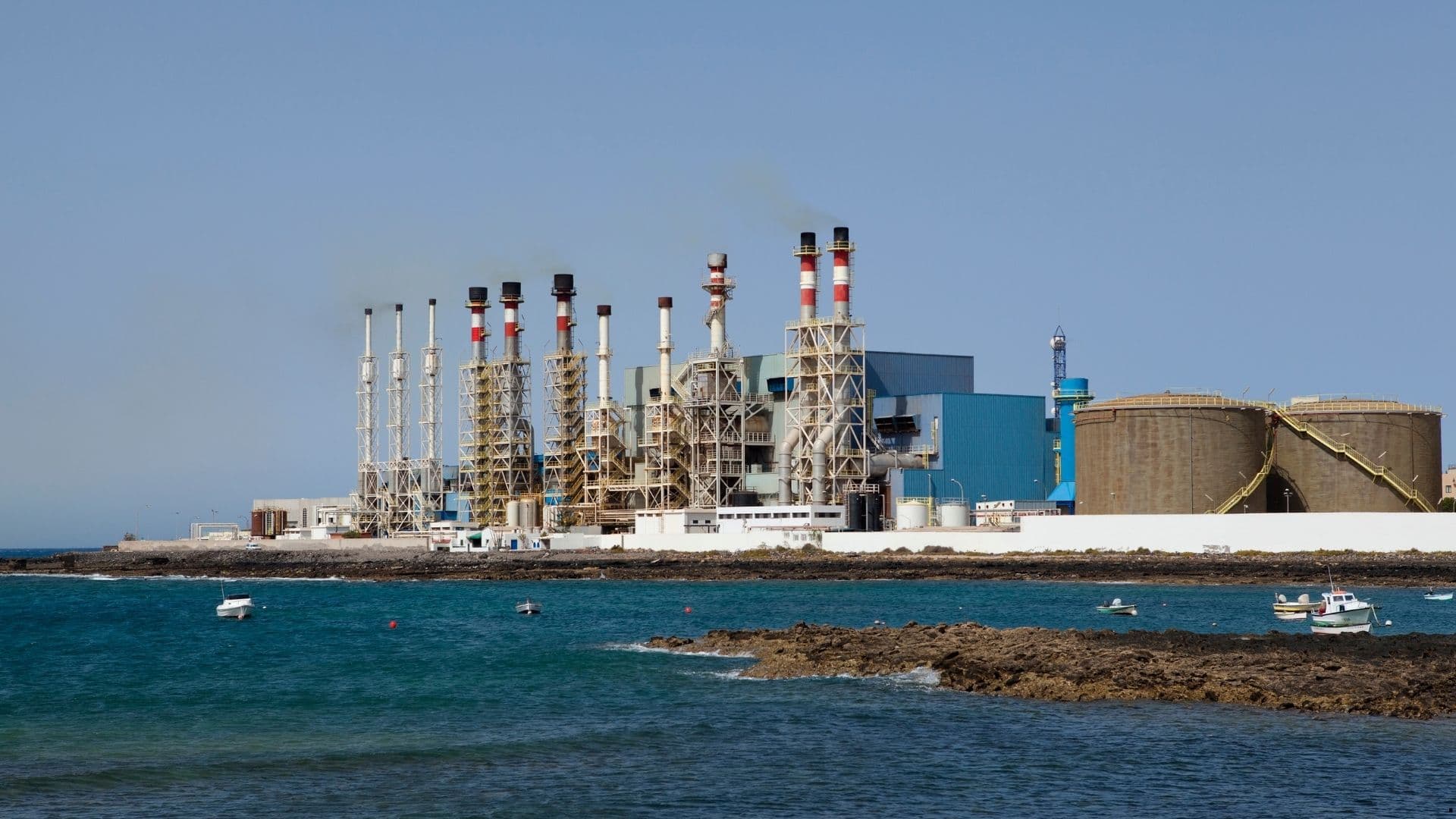
ESRS E3 Water Disclosure in the GCC: What Boards Need to Know
ESRS E3 is the European standard covering water and marine resources. It requires companies to report water withdrawal, discharge, consumption, recycled and reused volumes and water intensity, with separate disclosure for sites located in areas of high water stress. For companies operating in the GCC, nearly every site meets that definition, which changes the shape […]
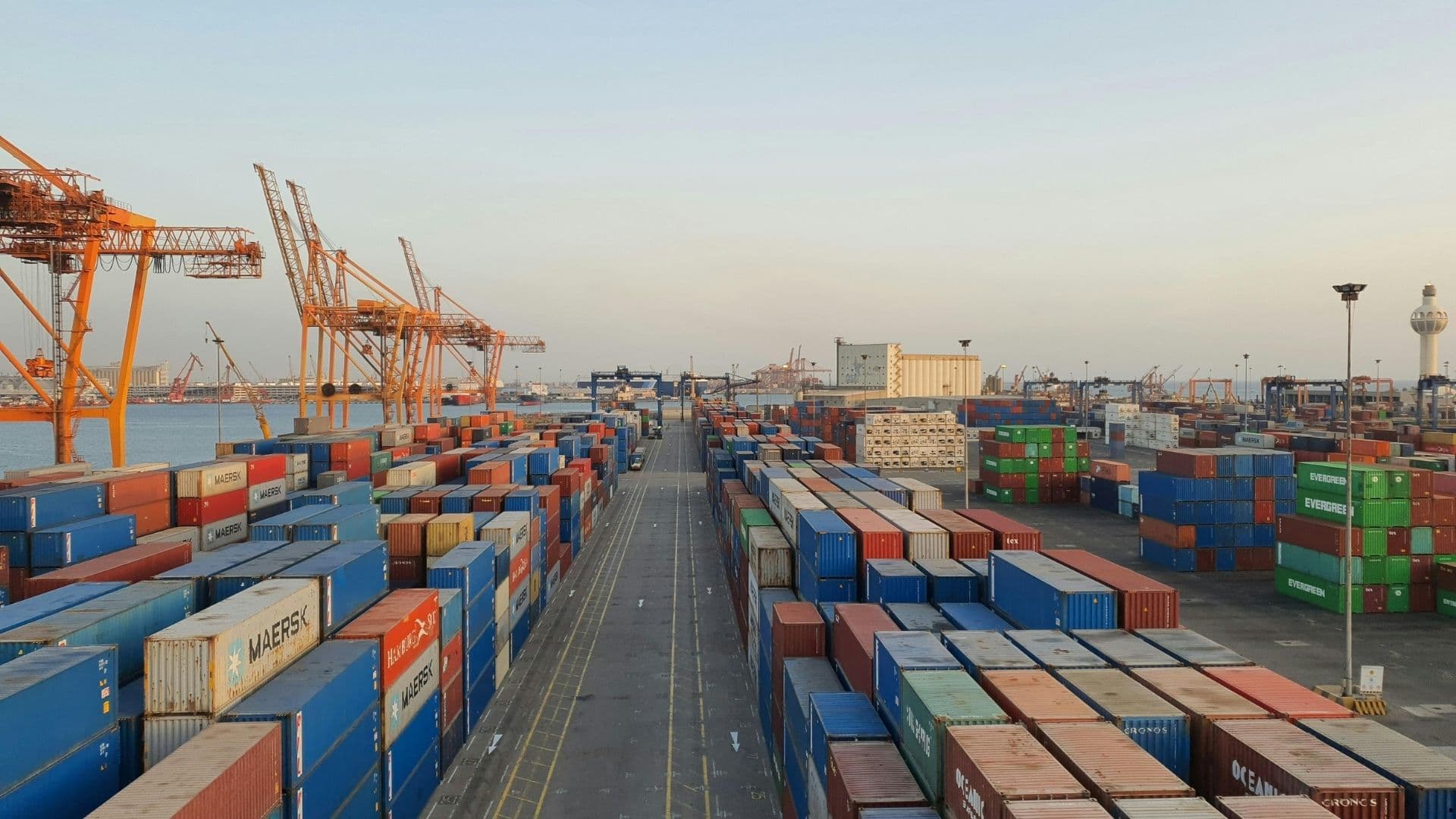
Dual-Fuel Ships Won’t Cut Your Scope 1 and 3 Automatically
A methanol dual-fuel ship does not lower anyone’s emissions number by itself. What counts is the fuel actually burned and its full lifecycle intensity, measured well-to-wake from production through combustion. Grey methanol, made from natural gas, delivers little to no reduction; only green or bio-methanol, backed by evidence, changes what a Gulf logistics group, port […]
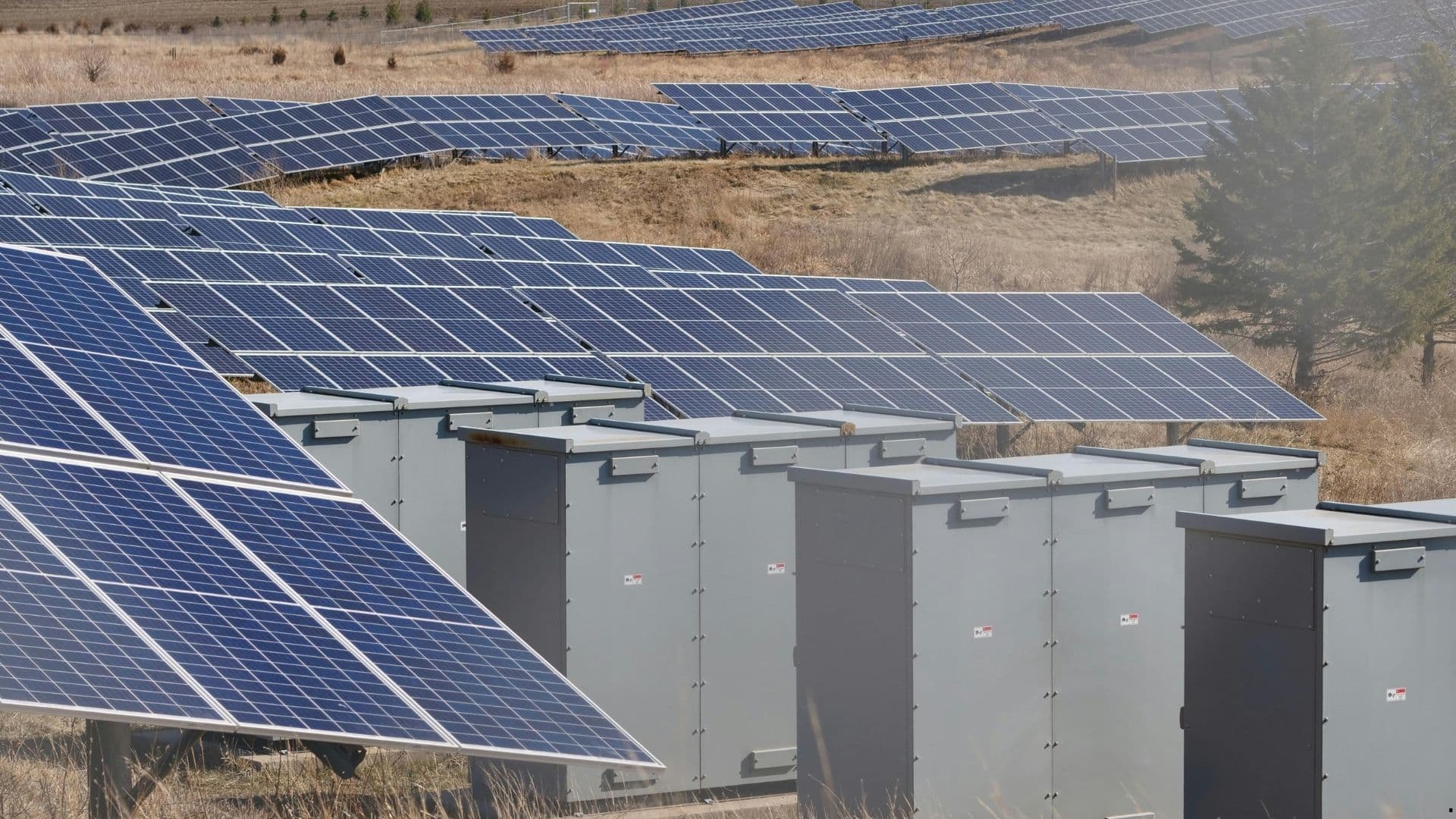
Saudi Arabia’s 2GW Battery Storage Deal and the Scope 2 Accounting Gap
On 20 August 2026, the Saudi Power Procurement Company (SPPC), Saudi Arabia’s principal buyer of electricity, signed four agreements for 2GW of battery energy storage worth SAR 4.35 billion. It was the Kingdom’s first award of build-own-operate contracts for grid-scale storage. Every headline framed it as a milestone for renewable integration. Almost none mentioned the […]
UAE Climate Law: Building a GHG Inventory That Survives a Verifier
The UAE Climate Law’s one-year transition period ended on 30 May 2026, making greenhouse gas (GHG) measurement a legal obligation for every in-scope entity in the country, with fines up to AED 2,000,000 and no size threshold. The single national filing date is expected to be extended pending the Ministry of Climate Change and Environment […]
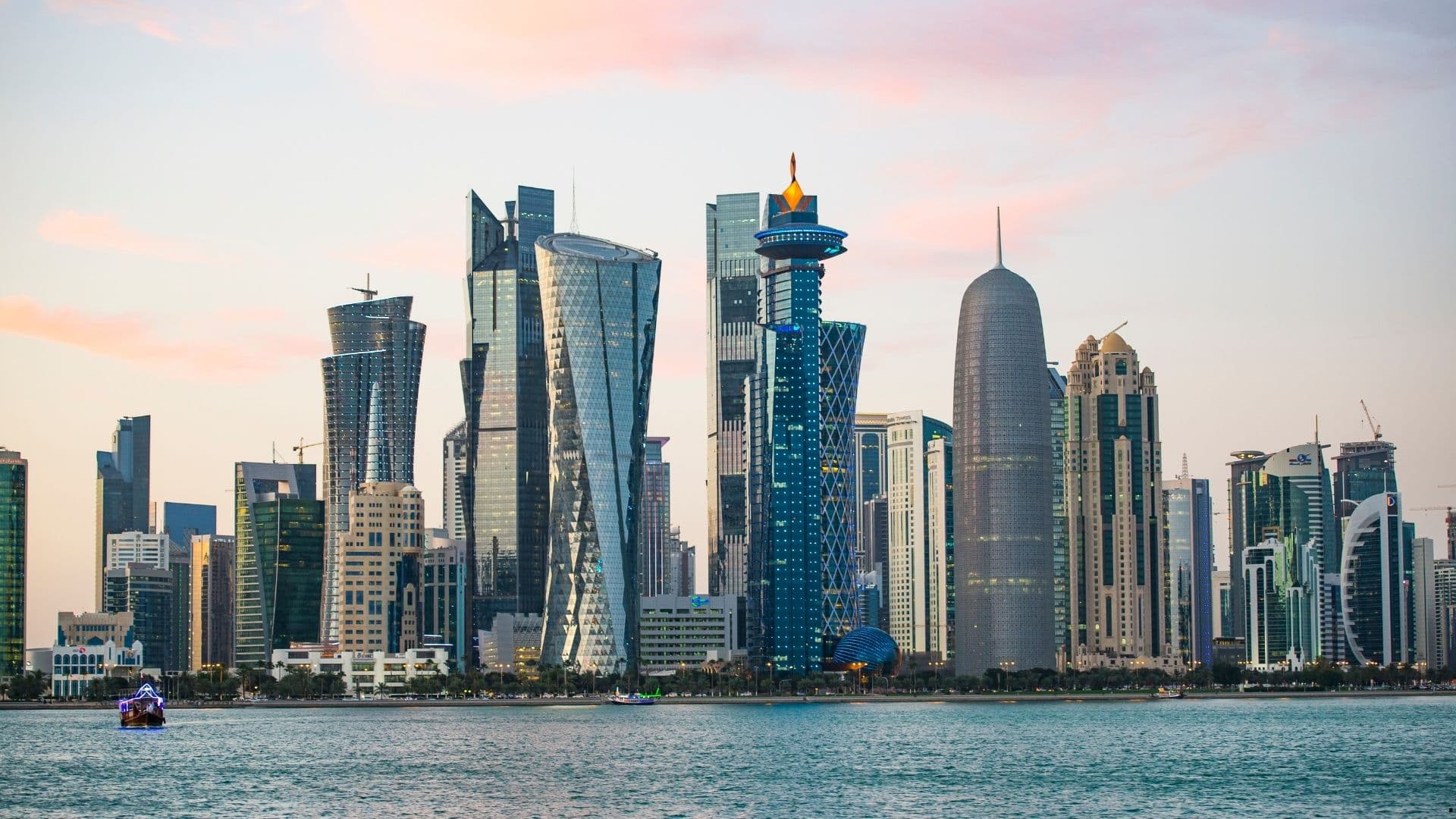
IFRS S1 and S2 in the Gulf: When Sustainability Disclosure Behaves Like Financial Reporting
Qatar has made IFRS S1 and S2 mandatory for banks and insurers from 1 January 2026, the first hard International Sustainability Standards Board (ISSB) mandate in the Gulf Cooperation Council (GCC). Bahrain’s rules are already live, Oman and Kuwait have moved from guidance into requirements, and the UAE and Saudi Arabia are converging on the […]

Inside Saudi Arabia’s Carbon Market: A 2026 Offset Strategy for Gulf Corporates
Saudi Arabia now offers two routes to carbon credits. RVCMC is a PIF- and Tadawul-backed trading exchange, and GCOM is the domestic mechanism for Saudi-origin projects. Almost all credits sold through RVCMC so far originate outside the Kingdom, and whether a credit is authorised under Article 6 decides what a buyer can legally claim. For […]

CBAM in 2026: What GCC Steel and Aluminium Exporters Actually Owe
The EU’s Carbon Border Adjustment Mechanism (CBAM) entered its definitive regime on 1 January 2026, but a GCC steel or aluminium exporter owes very little in certificate cash for 2026, and nothing is payable until 30 September 2027. What is owed now is verified emissions data. The cost curve looks gentle this year and steepens […]

Healthcare Emissions in the GCC: Anaesthetic Gases, Single-Use, and Pharma Scope 3
Healthcare produces roughly 4.4% of global greenhouse gas emissions, and most of it is indirect. In the GCC, three upstream sources carry a disproportionate share and are routinely left out of measurement: anaesthetic gases vented from operating theatres (Scope 1), single-use devices whose emissions are embedded at manufacture (Scope 3), and imported pharmaceuticals produced outside […]

SBTi’s Net-Zero Standard Version 2: From Ambition to Delivery in the GCC
On 11 June 2026, the Science Based Targets initiative (SBTi) published Version 2.0 of its Corporate Net-Zero Standard, the framework most large companies use to set credible climate targets. The revision marks a change of emphasis rather than of principle. The first version rewarded the ambition of a target. The second is designed to test […]

The Construction Emissions Disclosure Gap: Why Scope 3 Category 1 Feels Impossible for GCC Builders
Scope 3 Category 1, the cradle-to-gate emissions of purchased goods and services such as concrete, steel, and aluminium, accounts for the large majority of a construction company’s carbon footprint and is the most difficult category to report. In the GCC, the gap is wider because the library of verified Environmental Product Declarations is limited and […]
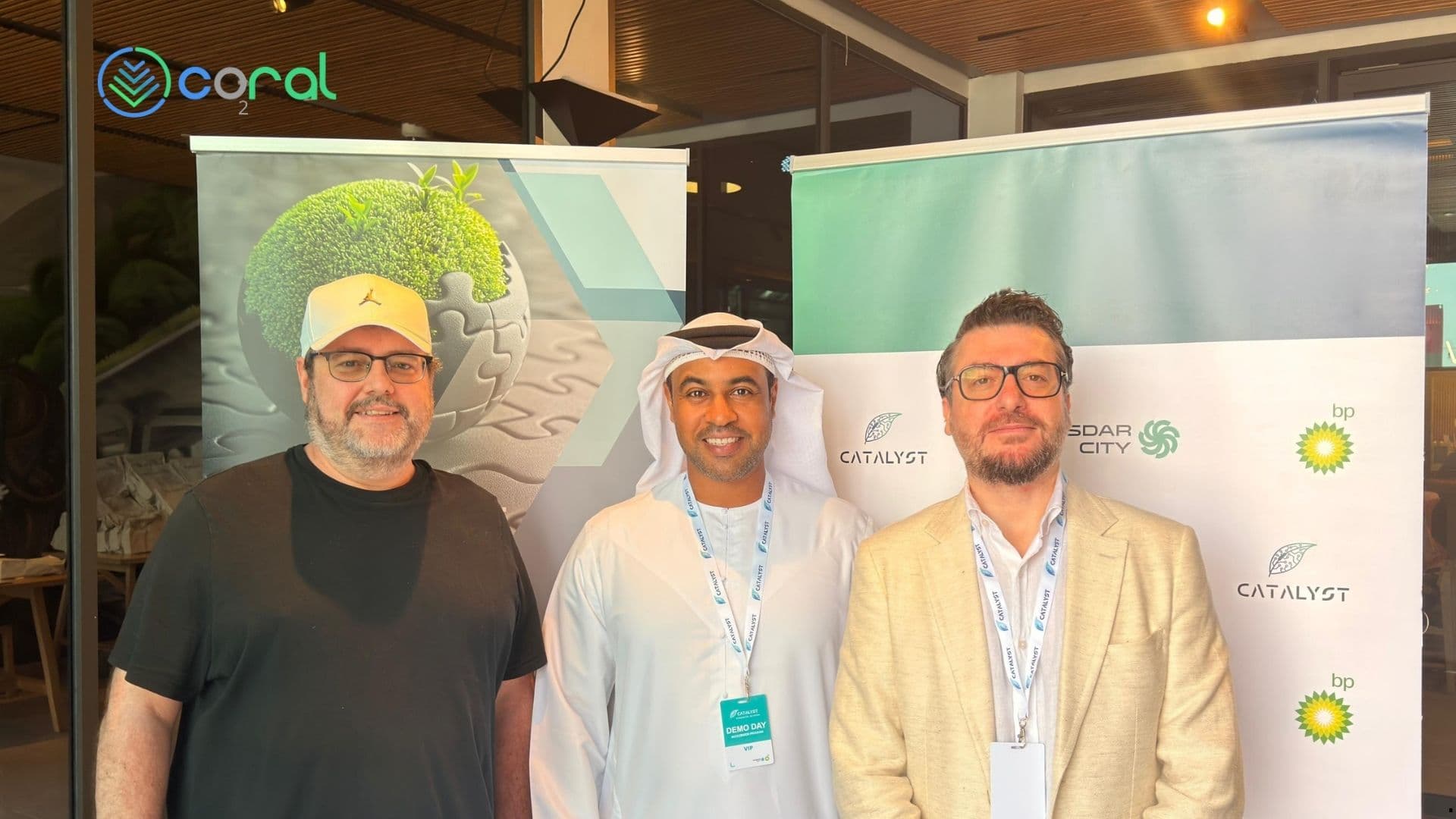
Coral welcomes Mohammed AlNakhi to its Board of Advisors
We’re glad to share that Mohammed AlNakhi has joined Coral’s Board of Advisors as Strategic Advisor, Energy & Net Zero. Mohammed knows the energy transition from the inside. With over two decades at bp, from hydrogen business development to his current role leading JV strategy and risk, and through Catalyst he’s spent years backing and […]

Waste-to-Energy in Gulf Cities: Climate Solution or Incineration Greenwashing?
Burning rubbish to make electricity sounds like a magic trick. Waste disappears, the grid gets power, and a landfill the size of a neighbourhood never gets built. Dubai now runs a plant that does exactly this at a scale no other single site in the world matches. Sharjah got there first. Saudi Arabia plans gigawatts […]

The Trust Stack: Why ESG Software Has to Earn Three Kinds of Trust
The Trust Stack: Why ESG Software Has to Earn Three Kinds of Trust Most software asks you to trust it with your data. ESG software asks for something harder. It asks you to trust the numbers it gives back, then sign them, then hand them to a regulator, a lender, or an auditor with your […]

Stranded Assets in GCC Real Estate: When Climate Risk Becomes Uninsurable
A stranded asset is a building that loses economic value well before the end of its useful life because external conditions shift, whether through physical climate damage, rising insurance costs, or new regulation. In the GCC, all three pressures are converging: the Gulf is warming faster than the global average, the most valuable waterfront stock […]
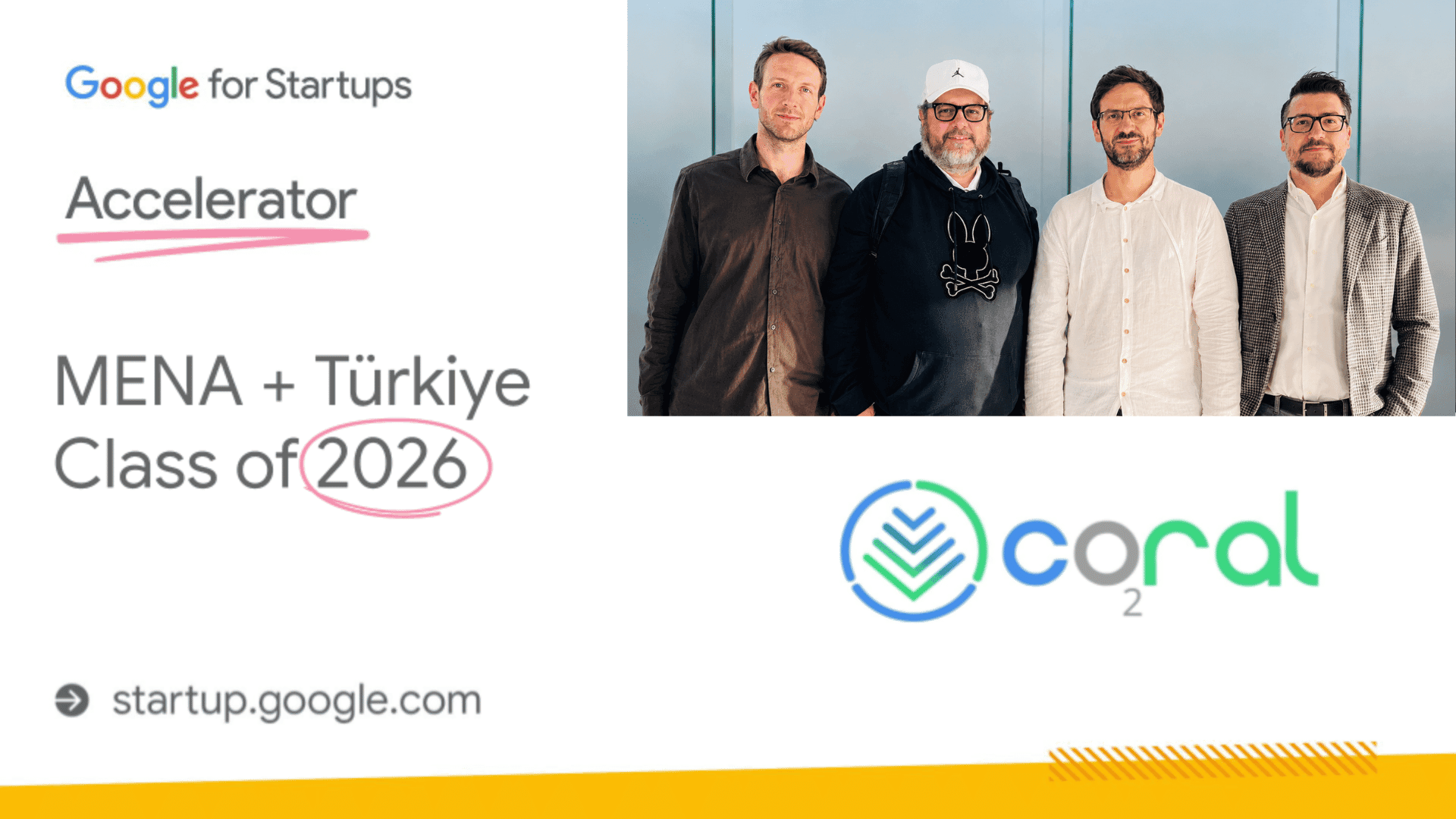
Coral joins the Google for Startups Accelerator: AI for the Middle East, North Africa and Turkey
Coral is one of 15 startups selected and the only climate and sustainability data infrastructure company in the Google for Startups Accelerator: MENAT cohort. Coral has been selected for the Google for Startups Accelerator: AI for the Middle East, North Africa and Turkey; one of 15 startups in a highly selective cohort of AI-native companies […]
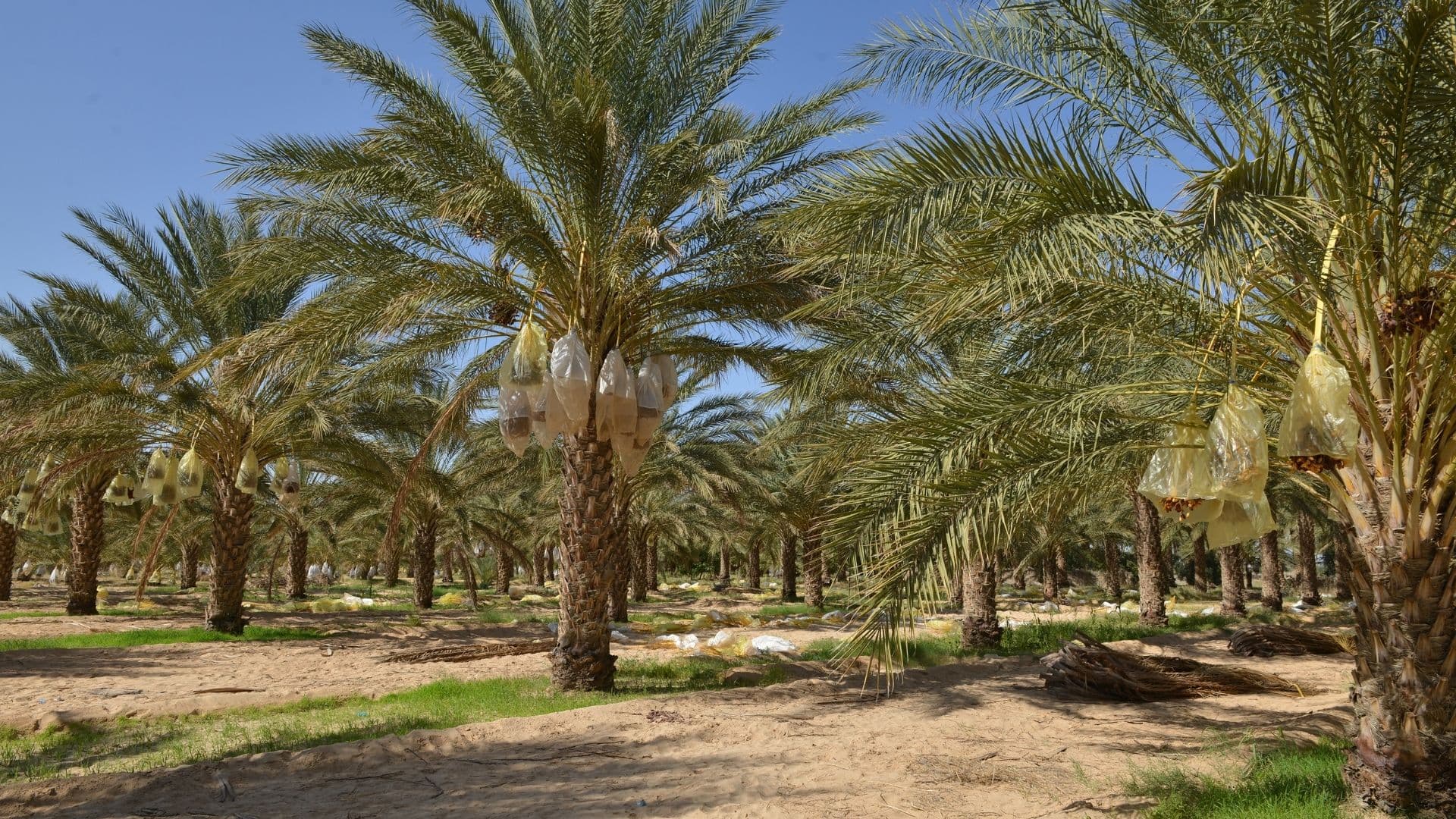
Regenerative Agriculture Credits in the GCC: Beyond Carbon to Soil Health
Regenerative agriculture credits are emerging as a way to fund farming practices that restore soil, improve water retention, reduce chemical dependency and, where properly measured, store more carbon in agricultural land. For the GCC, this is a food security, desertification, water resilience and supply-chain data story. The opportunity is real, but only if credits are […]

LDAR Reconciliation Without Chaos: Turning Leak Logs into Assurance-Ready Proof
Leak Detection and Repair (LDAR) is a structured program used to find, measure, repair and verify leaks from equipment such as valves, flanges, connectors, pumps and compressors. In oil and gas, LDAR is especially important for managing methane emissions from fugitive sources. A strong LDAR program does not only detect leaks; it also creates the […]

Marketplace Scope 3: Sellers, Goods, and the Data Model for E-commerce Reality in the GCC
The GCC’s marketplace economy is getting bigger, faster, and harder to measure cleanly. Dubai’s Dubai Traders Initiative says it has onboarded more than 2,600 e-commerce sellers, and WORLDEF Dubai 2026 explicitly framed the future of e-commerce around innovation, sustainability, and inclusive growth. In parallel, the UAE climate law applies to sources in the state, including […]
Coral تُبقيك متقدّمًا على المتطلبات التنظيمية العالمية


قانون المناخ الاتحادي الإماراتي
قانون إماراتي يُلزم المؤسسات بقياس انبعاثاتها والإبلاغ عنها وخفضها

CSRD
توجيه أوروبي يُلزم بتقارير استدامة خاضعة للتحقق وفق معايير ESRS

GCOM
الآلية السعودية لإصدار أرصدة انبعاثات غازات الدفيئة وتعويضها
Fit for 55 وCBAM
حزمة المناخ الأوروبية وآلية تعديل حدود الكربون على الانبعاثات المتضمنة في الواردات

SECR
إطار المملكة المتحدة المبسّط لتقارير الطاقة والكربون للشركات الكبرى

GRI
المبادرة العالمية لإعداد التقارير: أكثر معايير تقارير الاستدامة استخدامًا
SBTi
مبادرة الأهداف القائمة على العلم: تعتمد أهداف خفض الانبعاثات
بروتوكول GHG
المعيار العالمي لقياس انبعاثات النطاقات ١ و٢ و٣

GRESB
مؤشر ESG لقياس أداء الأصول العقارية وأصول البنية التحتية

ISO 14064
معيار دولي لقياس انبعاثات غازات الدفيئة والتحقق منها

CORSIA
خطة الإيكاو لتعويض انبعاثات الطيران الدولي وخفضها

TCFD
توصيات الإفصاحات المالية المتعلقة بالمناخ، المدمجة الآن في IFRS S2

لا تعرف من أين تبدأ؟
تحوّل Coral استراتيجيتك المناخية من طموح إلى تنفيذ. أتمت تقاريرك، واكشف رؤى الانبعاثات، وابقَ متوافقاً—من دون فوضى الاستشاريين.