
Cold Chain & Refrigerants: The Overlooked FMCG Emissions Hotspot in the GCC
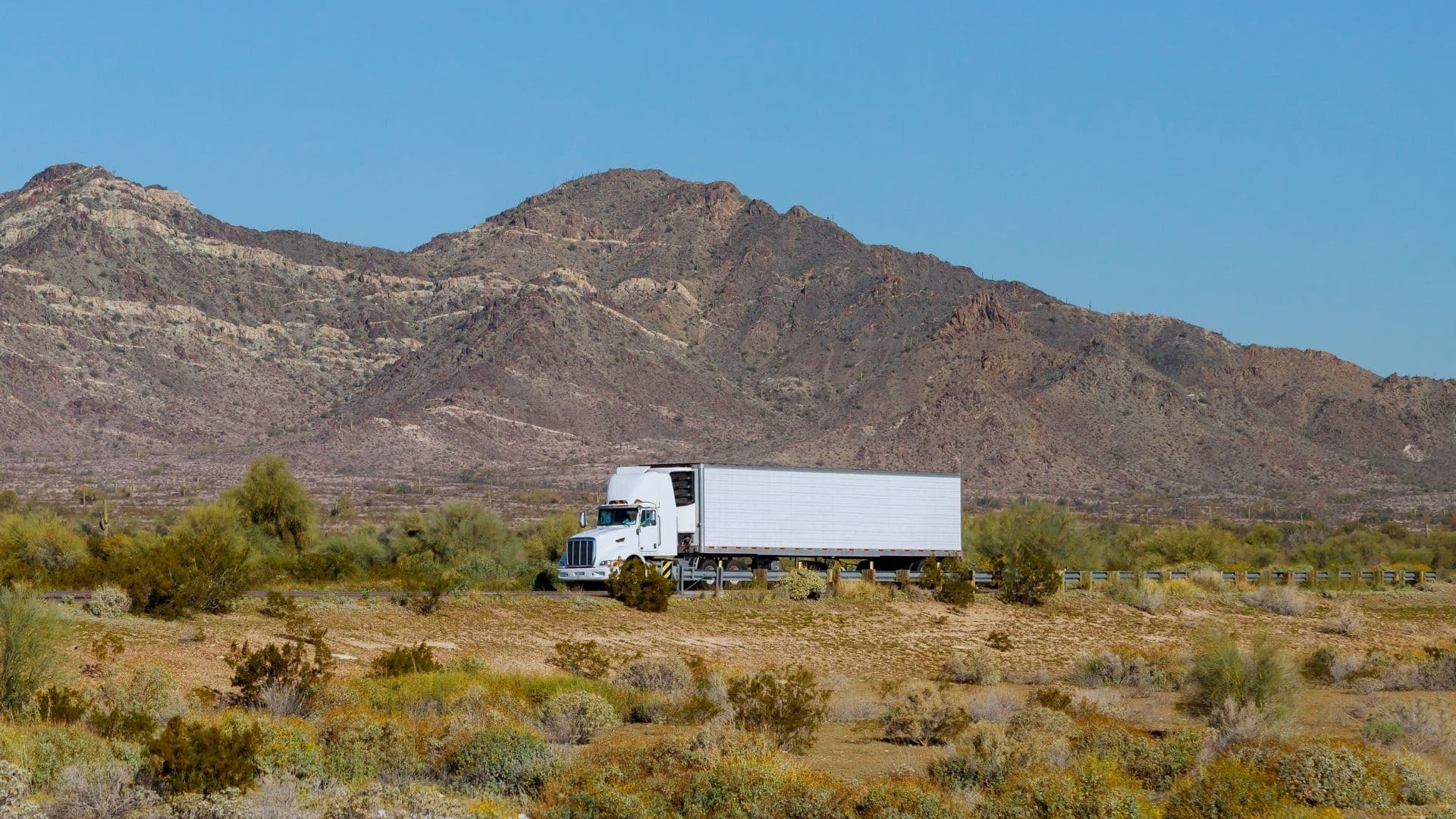
For FMCG operators in the GCC, cold chain emissions rarely sit in one neat box. They are usually split across Scope 1 fugitive emissions from refrigerant leaks, Scope 2 electricity used to keep products cold, and Scope 3 emissions from outsourced refrigerated transport and storage. The accounting treatment is straightforward in principle, but the harder task is building a defensible evidence trail that can withstand internal review, customer scrutiny, and assurance. (Source: ghgprotocol.org)
In practice, cold-chain-heavy operations often undercount emissions because the evidence is scattered across maintenance logs, utility data, contractor invoices, fleet records, and third-party warehouse information. A practical first step is to build a governed evidence trail for the sites, assets, and logistics flows most likely to be material, then expand coverage over time. (Source: ghgprotocol.org)
Key takeaways
- Cold chain emissions can sit across Scope 1, Scope 2, and Scope 3 at the same time. (Source: ghgprotocol.org)
- Refrigerant leakage is often missed because the evidence sits in service records, refill logs, and contractor invoices rather than sustainability systems. (Source: ghgprotocol.org)
- Third-party refrigerated transport and storage can be material Scope 3 sources for FMCG operators. (Source: ghgprotocol.org)
- In the GCC, extreme heat and cross-border temperature-controlled logistics increase the operational importance of cold-chain visibility, reliability, and control. (Source: Saudi Press Agency)
Why this matters more in the GCC now
Cold chain is not a niche operating issue in the Gulf. Saudi Arabia and the UAE are investing heavily in more resilient, more digital temperature-controlled logistics because the region operates in extreme heat and depends on fast, reliable movement of food and other temperature-sensitive goods. Maersk’s 2025 review of Middle East cold-chain trends highlights growing reliance on visibility tools, remote monitoring, and predictive control as operators try to improve reliability and efficiency across the region. (Source: Maersk)
Recent regional signals point the same way. On 26 March 2026, Saudi Arabia’s Transport General Authority said empty refrigerated trucks from GCC countries would be allowed to enter the Kingdom to support movement of perishable goods through ports and airports. That is a logistics decision, but it is also a reminder that cold-chain capacity is now treated as strategic infrastructure. (Source: Saudi Press Agency)
The broader cooling agenda is also rising. The Global Cooling Pledge launched at COP28 aims to reduce cooling-related emissions by at least 68 percent globally relative to 2022 levels by 2050. For GCC operators, that means cooling is increasingly part of the policy, efficiency, and climate conversation, not just an engineering issue. (Source: COP28)
What makes cold chain an emissions hotspot
Cold chain can become an emissions hotspot because cooling often creates continuous energy demand and refrigerant leaks can have a high climate impact; in practice, the data needed to quantify those emissions is often fragmented across teams and systems. (Source: Open Knowledge FAO)
First, cooling creates continuous energy demand. Unlike a one-off shipment or an occasional process load, cold rooms, freezer rooms, display refrigeration, and reefer units often run around the clock.
Second, refrigerants can create outsized emissions from relatively small leaks. Refrigerants are cooling fluids used in refrigeration systems. Many hydrofluorocarbons, or HFCs, have high global warming potential, which means even a modest leak can translate into a material CO2e figure. GHG Protocol guidance classifies emissions from refrigeration and air-conditioning equipment as fugitive emissions within Scope 1 when the source is owned or controlled by the reporting company.
Third, the evidence is rarely held by one team. Maintenance owns service logs. Facilities owns electricity data. Fleet or 3PL teams hold reefer details. Procurement manages contracts. Sustainability is often asked to explain the year-end number without access to the operational trail behind it. That is exactly the type of fragmented-data problem Coral is built to address. See Coral’s blog on AI Carbon Management in the GCC for the broader operating-model shift, and the Emissions Management System page for the workflow view.
Where cold-chain emissions usually sit
Scope 1: refrigerant leakage from owned or controlled equipment
If the refrigeration equipment is owned or controlled by the reporting company, fugitive refrigerant emissions generally sit in Scope 1. This is one of the most common cold-chain blind spots because the underlying evidence often sits in maintenance workflows rather than in carbon workbooks. A citation-ready rule of thumb is simple: refrigerant leakage from owned or controlled cooling equipment is a Scope 1 fugitive source under GHG Protocol guidance.
Scope 2: electricity used to keep products cold
Cold stores, freezer rooms, display units, and processing areas can all drive significant electricity demand. In the GCC, this can be especially material because ambient temperatures increase cooling loads. Factor governance matters here. Coral’s recent guidance recommends using the most geographically representative electricity factor available, then freezing factor choices by reporting year so results remain reproducible. See Emission factors in the GCC: DEFRA vs IEA vs local utility factors.
Scope 3: outsourced refrigerated transport and storage
Third-party refrigerated transport and storage are often where FMCG footprints quietly understate reality. GHG Protocol’s Category 4 guidance covers upstream transportation and distribution services purchased by the reporting company, including storage in warehouses and distribution centres not owned or controlled by the company. The guidance also allows more specific methods when supplier transport data is available. A second citation-ready rule of thumb is this: outsourced reefer transport and third-party cold storage can belong in Scope 3 Category 4 when the reporting company purchases those services.
The data trail to prove it
A credible cold-chain hotspot analysis starts with evidence, not assumptions. Here is the practical trail to build first.
1. Build an asset and refrigerant register
At minimum, capture site, asset ID, equipment type, refrigerant type, estimated charge size if available, ownership or control status, install date, service vendor, and maintenance responsibility.
This is the difference between “we think refrigerants matter” and “we can identify which assets created the issue.”
2. Pull maintenance records, not just utility bills
Service reports, refill quantities, leak tests, top-up history, replacement notes, and contractor invoices are often the first reliable evidence sources for refrigerant-related emissions. If you do not have a perfect refrigerant log in year one, maintenance paperwork is still a strong starting point. (Source: ghgprotocol.org)
3. Separate cold-chain energy from whole-site energy where possible
A site electricity bill is useful, but it does not tell you how much energy is tied to temperature-controlled operations. The better question is what share of site energy is linked to cold rooms, freezer zones, loading areas, refrigerated production steps, or related systems. In more mature setups, that can mean linking interval metering, BMS data, refrigeration controllers, alarms, and schedules back to specific cold-chain processes. (Source: Maersk)
4. Get shipment-level data from logistics providers
If you outsource refrigerated transport, ask for lane, route, mode, shipment mass or volume, temperature class, fuel data where available, reefer detail where available, storage days, and temperature excursions or exceptions. GHG Protocol guidance is clear that supplier-specific data improves transport calculations when it can be obtained. (ghgprotocol.org)
5. Track operational symptoms, not just emissions totals
Spoilage write-offs, rejected loads, emergency shipments, temperature excursions, door-open alarms, and unscheduled reefer maintenance are not just operational KPIs. They often explain why emissions rise even when procurement volumes appear stable. In cold-chain operations, poor control often shows up operationally before it is visible in reporting. (Maersk)
6. Lock factors and assumptions by reporting year
Cold-chain reporting becomes fragile quickly if factor sets vary by site, year, or analyst without a controlled record. Coral’s product-carbon-footprint and emission-factor guidance makes the same point repeatedly: freeze factors by reporting year, log changes, and keep assumptions reviewable. See Product Carbon Footprints Without Version-Control Hell and Coral’s GCC factor-governance article.
Cold chain emissions checklist
Use this as a fast internal audit for year one:
- Refrigerant asset register exists
- Maintenance records are retrievable
- Cold-chain electricity can be separated or estimated
- Reefer transport and storage providers can share activity data
- Reporting-year factors are locked
- Assumptions and exceptions are logged
- Spoilage and temperature-excursion data can be reviewed alongside emissions
That checklist is often enough to move from a rough estimate to a defendable hotspot analysis.
What usually goes wrong
The most common problem is fragmented data with no ownership model.
Maintenance has refrigerant history. Facilities have the power data. Fleet or 3PL teams hold reefer details. Procurement owns warehouse contracts. Finance has spent data. Sustainability gets the final number and is expected to explain it. That setup makes undercounting, double counting, and weak assumptions much more likely. It also makes assurance painful. Coral’s recent GCC content has been consistent on this point: audit-ready reporting depends on traceability, controlled factors, and evidence that can be retrieved later. See also Operational vs. Value Chain Emissions: How They Map to Scope 1, 2, and 3 and Hospitality Scope 3 Reality for parallel examples of operational data becoming reporting risk.
A practical GCC-first starting point
Do not begin by trying to model every chilled SKU and every contracted lane across the region.
Start with your highest-throughput or highest-cooling-intensity sites. Build an asset-level refrigerant register for those locations. Pull one year of maintenance logs and top-up history. Separate cold-chain electricity from whole-site electricity where possible. Then ask your largest cold-storage and reefer providers for shipment and storage data. Finally, lock the factor set for the reporting year and compare the emissions picture with spoilage, emergency shipments, and deviation records.
That is enough to establish whether cold chain is a material hotspot and where the strongest reduction and control opportunities sit.
Why this matters commercially, not just environmentally
Cold-chain emissions are rarely just a reporting issue. They are often a proxy for avoidable cost and operational fragility.
Leak-prone assets can mean more maintenance spend and compliance risk. Poor refrigeration efficiency can raise electricity costs. Weak transport visibility can drive urgent shipments and spoilage. Fragmented evidence slows responses to customers, lenders, auditors, and procurement teams that increasingly want proof, not estimates. In that sense, the cold chain is one of the few emissions hotspots where better data can improve reporting quality, operational reliability, and cost discipline at the same time. (Source: Maersk)
Where Coral fits
If your cold chain data is split across maintenance logs, invoices, utility records, and logistics providers, the next step is not another spreadsheet tab. It is a governed workflow that connects equipment data, maintenance evidence, activity data, factor libraries, and reporting outputs in one place.
Coral is a Dubai-based, AI-native ESG platform that combines emissions management with reporting workflows. Its Emissions Management System is designed to centralize operational data, measure Scope 1 to 3 emissions, identify hotspots, and support audit-ready reporting. Explore Coral’s Emissions Management System, read more on AI Carbon Management in the GCC, or book a demo to see how cold-chain-heavy operations can move from fragmented evidence to decision-grade emissions data.
FAQ
Is refrigerant leakage always Scope 1?
Usually, yes, when the refrigeration equipment is owned or controlled by the reporting company. GHG Protocol guidance classifies emissions from refrigeration and air-conditioning equipment as fugitive emissions within Scope 1 in that case. Boundary treatment can differ if assets are leased or controlled by another party, so ownership and operational control should be documented clearly.
Do outsourced reefer fleets and third-party cold stores belong in Scope 3?
Often yes. GHG Protocol’s Category 4 guidance includes purchased transportation, distribution, and storage services in vehicles and facilities not owned or controlled by the reporting company. For FMCG operators using contracted reefer fleets or external cold stores, those services can be a material Scope 3 source.
How can we estimate refrigerant emissions if we only have maintenance invoices?
Maintenance invoices, service sheets, leak reports, and refill records are a good first-year starting point. They can help establish when a leak likely occurred, which refrigerant was involved, and what top-up or replacement activity took place. That is usually enough to begin building a governed evidence trail, then improve granularity over time. (Source: ghgprotocol.org)
Which factors should GCC teams use for cold-chain reporting?
For electricity, use the most geographically representative factor available for the method you are applying, and where Scope 2 reporting applies, distinguish between location-based and market-based accounting under GHG Protocol. Most importantly, freeze the reporting-year factor set and keep a change log so results remain reproducible. Coral’s GCC guidance on factor governance goes deeper on that decision logic.
What is the best year-one approach for FMCG teams?
Start with the sites, assets, and logistics flows that are most likely to matter. In practice, that means your highest-throughput sites, the cold equipment most exposed to leakage risk, and the largest outsourced reefer or storage relationships. Year one should focus on hotspot proof, not full perfection.
مقالات ذات صلة
 Carbon Markets & Climate Policy٨ أكتوبر ٢٠٢٦
COP31 in Antalya: What Türkiye’s Presidency Means for GCC Companies
COP31 takes place in Antalya, Türkiye, from 9 to 20 November 2026, with Türkiye holding the Presidency and Australia chairing the negotiations. It will not create binding rules for GCC companies. But the summit’s flagship electrification pledge, Türkiye’s new emissions trading system and the EU’s Carbon Border Adjustment Mechanism (CBAM) will change what Turkish and […]
 Carbon Markets & Climate Policy٢٥ سبتمبر ٢٠٢٦
Türkiye’s Carbon Market Pilot: 2026 Data Sets Your 2027 Carbon Bill
Türkiye’s Emissions Trading System (TR ETS) regulation entered into force on 27 August 2026. The Carbon Market Board’s first decision (KPK/2026/1) then set a 2026–2027 pilot for Category B and C installations in five sectors: electricity generation, cement, iron and steel, aluminium and fertilisers. 2026 is a reporting-only year, and carbon pricing starts in 2027. […]
 Emissions Reporting١٦ سبتمبر ٢٠٢٦
ESRS E3 Water Disclosure in the GCC: What Boards Need to Know
ESRS E3 is the European standard covering water and marine resources. It requires companies to report water withdrawal, discharge, consumption, recycled and reused volumes and water intensity, with separate disclosure for sites located in areas of high water stress. For companies operating in the GCC, nearly every site meets that definition, which changes the shape […]