
The Power of Collective Climate Action
The COP28 climate summit in Dubai brought together global leaders—governments, businesses, academia, and civil society—united in the urgent task of combating climate change. The outcomes of these negotiations will shape the future of our planet and the next generation.
As a local startup based in the UAE, Coral was honoured to attend and engage in key discussions. Our participation highlighted the power of collective action and our commitment to accelerating climate action through partnerships and innovation. We are proud to contribute to the UAE’s Nationally Determined Contributions (NDCs) and to support businesses worldwide in achieving their sustainability goals. Coral is especially grateful to the Abu Dhabi Chamber of Commerce for their continued support in helping us secure the funding needed to drive even greater impact.
Beyond the political negotiations, COP28 was a reminder that climate action is not just the responsibility of governments. Businesses, individuals, and communities all play critical roles. The summit underscored the need for collaboration across sectors, and it was inspiring to see so many organizations committed to reducing emissions and advancing climate solutions.
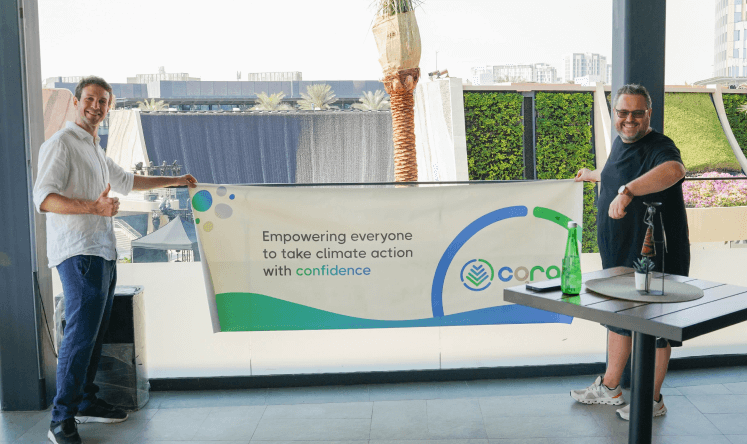
While COP28 outcomes are still being analyzed, one clear takeaway is the collective ambition to raise the bar for climate action. Coral came away inspired by the renewed energy and strengthened partnerships that will continue to drive positive climate impact.
Coral left COP28 with strengthened partnerships, new clients, and an expanded network of experts. The connections made and the conversations held will accelerate our progress towards empowering businesses to meet their climate commitments.
“The world has come together to forge a pact for climate solidarity.”
We made connections and inspired new partnerships to scale our climate impact. If COP28 showed anything, it’s that tackling climate change is a collective effort, and we’re ready to continue the work. Let’s get to work!
İlgili makaleler
 Emissions Reporting16 Eylül 2026
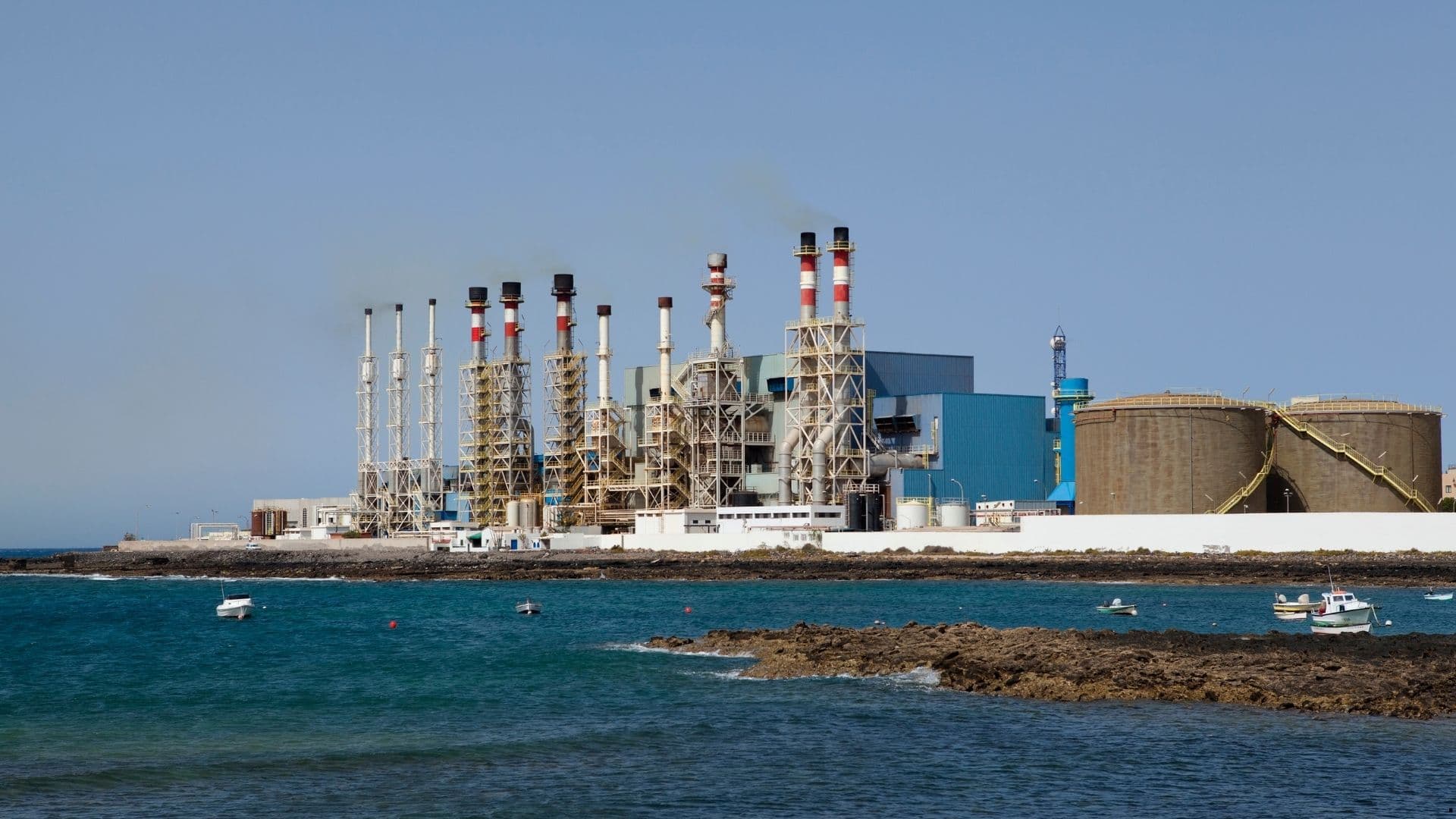
ESRS E3 Water Disclosure in the GCC: What Boards Need to Know
ESRS E3 is the European standard covering water and marine resources. It requires companies to report water withdrawal, discharge, consumption, recycled and reused volumes and water intensity, with separate disclosure for sites located in areas of high water stress. For companies operating in the GCC, nearly every site meets that definition, which changes the shape […]
 Emissions Reporting10 Eylül 2026
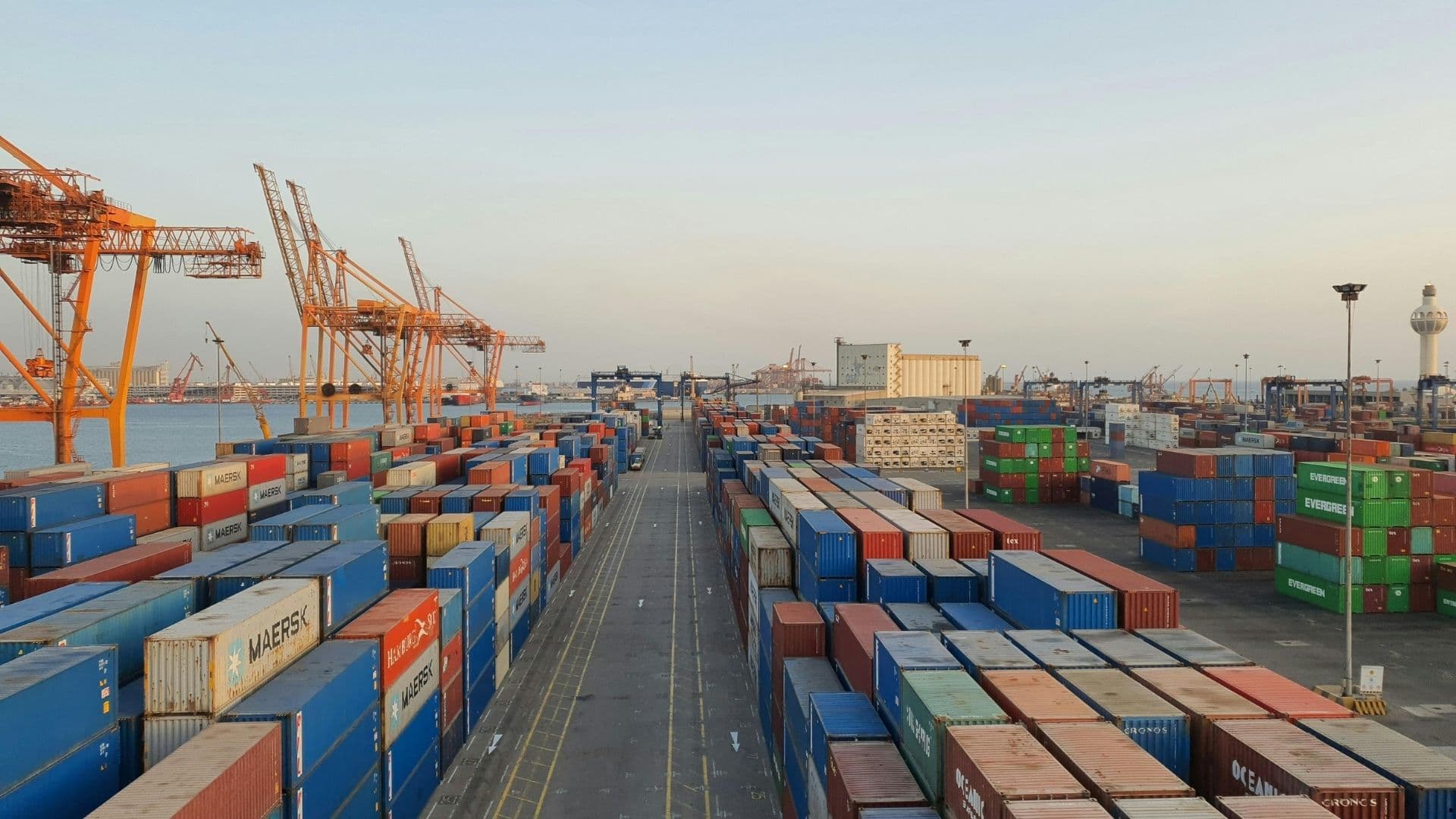
Dual-Fuel Ships Won’t Cut Your Scope 1 and 3 Automatically
A methanol dual-fuel ship does not lower anyone’s emissions number by itself. What counts is the fuel actually burned and its full lifecycle intensity, measured well-to-wake from production through combustion. Grey methanol, made from natural gas, delivers little to no reduction; only green or bio-methanol, backed by evidence, changes what a Gulf logistics group, port […]
 Emissions Reporting3 Eylül 2026
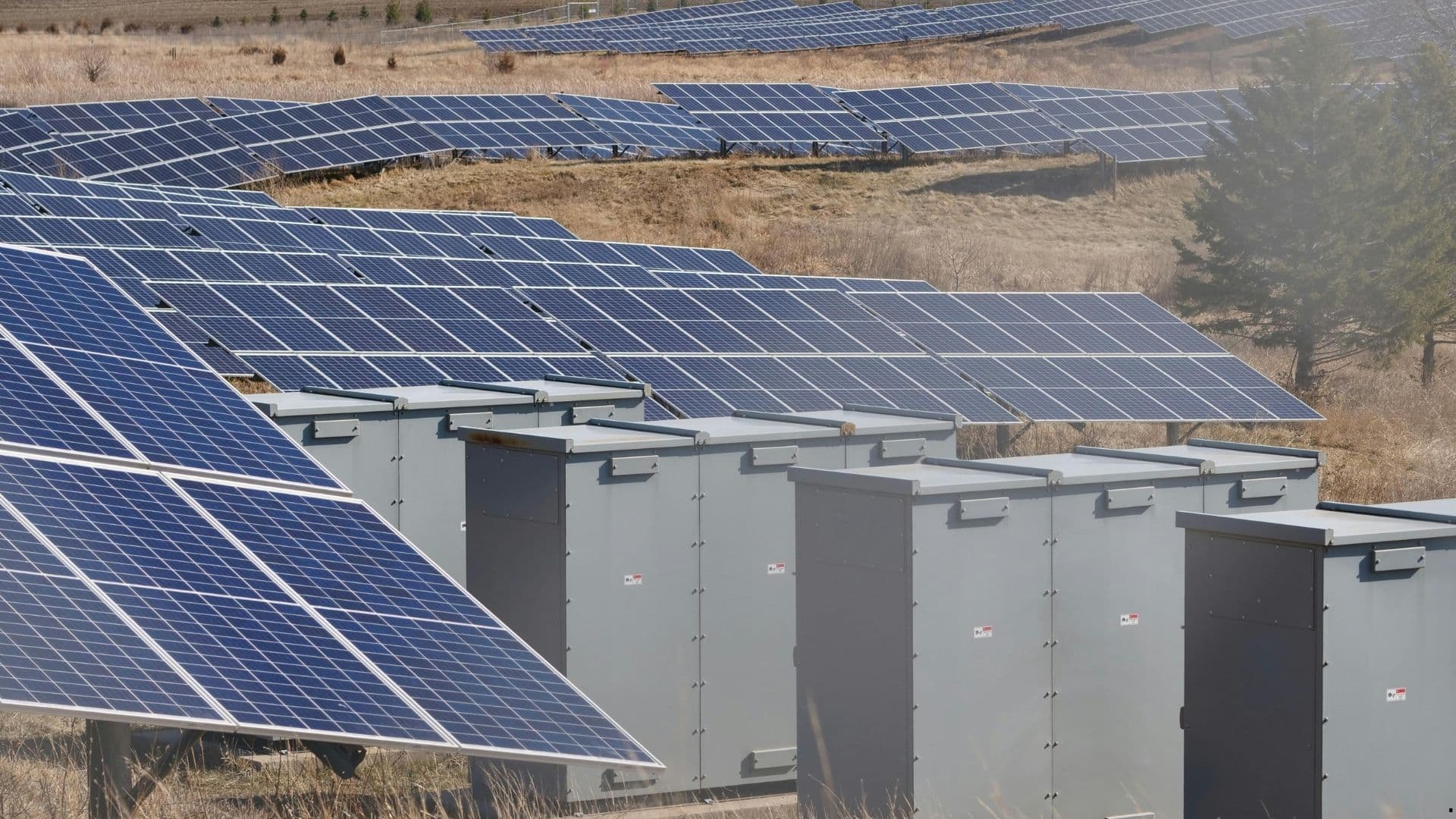
Saudi Arabia’s 2GW Battery Storage Deal and the Scope 2 Accounting Gap
On 20 August 2026, the Saudi Power Procurement Company (SPPC), Saudi Arabia’s principal buyer of electricity, signed four agreements for 2GW of battery energy storage worth SAR 4.35 billion. It was the Kingdom’s first award of build-own-operate contracts for grid-scale storage. Every headline framed it as a milestone for renewable integration. Almost none mentioned the […]