
Emissions Reporting
٢٠ مقالاً
 Emissions Reporting١ مايو ٢٠٢٦
LDAR Reconciliation Without Chaos: Turning Leak Logs into Assurance-Ready Proof
Leak Detection and Repair (LDAR) is a structured program used to find, measure, repair and verify leaks from equipment such as valves, flanges, connectors, pumps and compressors. In oil and gas, LDAR is especially important for managing methane emissions from fugitive sources. A strong LDAR program does not only detect leaks; it also creates the […]
 Carbon Markets & Climate Policy١٥ أبريل ٢٠٢٦
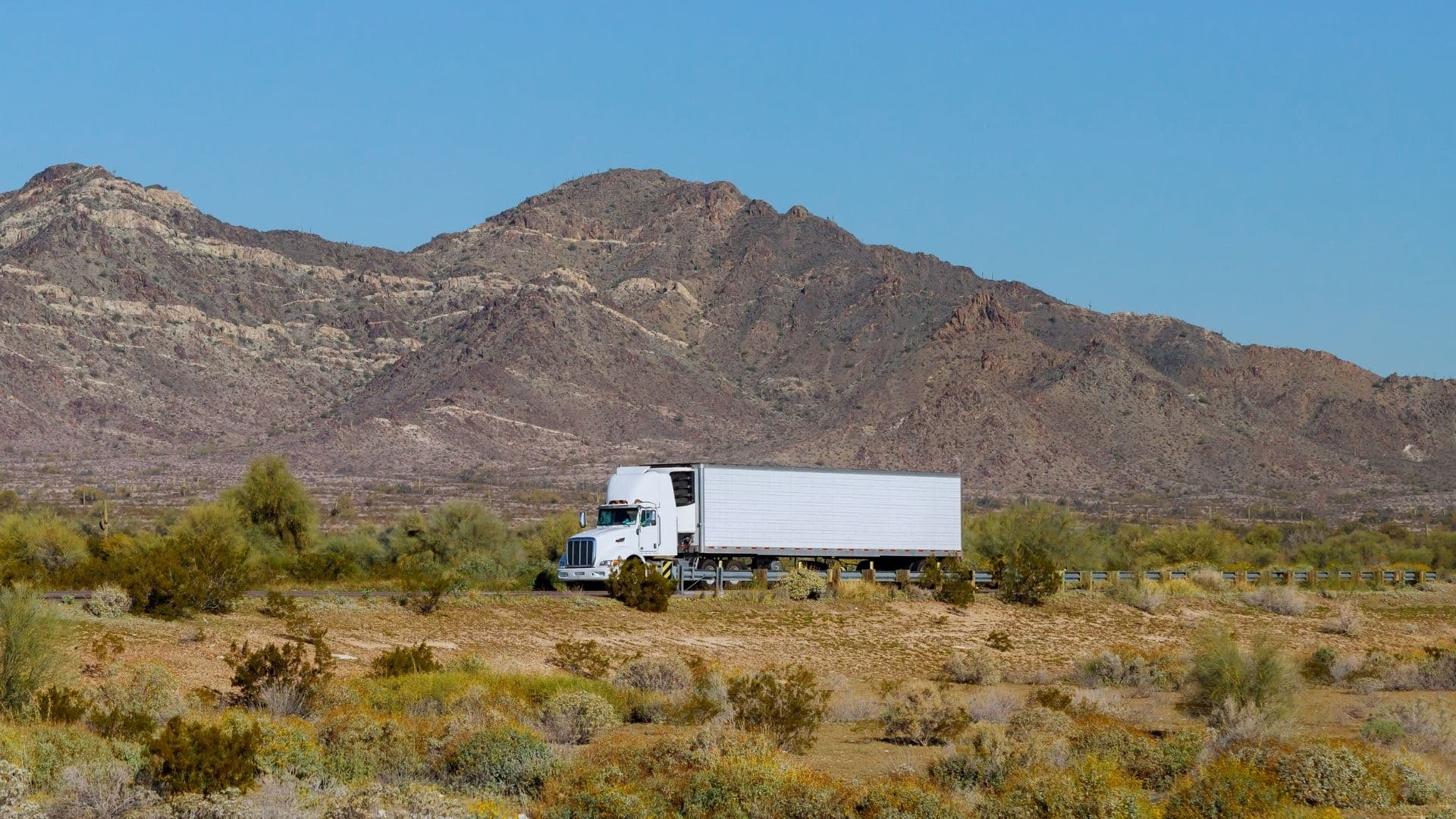
Cold Chain & Refrigerants: The Overlooked FMCG Emissions Hotspot in the GCC
For FMCG operators in the GCC, cold chain emissions rarely sit in one neat box. They are usually split across Scope 1 fugitive emissions from refrigerant leaks, Scope 2 electricity used to keep products cold, and Scope 3 emissions from outsourced refrigerated transport and storage. The accounting treatment is straightforward in principle, but the harder […]
 Emissions Reporting٢ أبريل ٢٠٢٦
Hospitality Scope 3 Reality: Guest Travel & Procurement Data You Can Actually Collect
GCC hospitality groups do not need to chase all 15 Scope 3 categories at once and drown in complexity from day one. The smarter move is to start where the data is already within reach: guest travel the hotel can actually see, influence, or arrange, and procurement categories that already flow through daily operations, especially […]
 Emissions Reporting١٣ مارس ٢٠٢٦
Product Carbon Footprints Without Version-Control Hell: Factors, Audit Trails, and Change Logs
Product carbon footprints break down when factor versions, boundaries, supplier inputs, and corrections change without control. For GCC companies, a defensible PCF means locked factor sets, versioned methodology, evidence-linked activity data, and a change log that shows what changed, why it changed, and whether history was restated. That matters more now because the EU’s Carbon […]
 Emissions Reporting٢ مارس ٢٠٢٦
Emission factors in the GCC: DEFRA vs IEA vs local utility factors (and how to govern them)
Emission factors in the GCC: DEFRA vs IEA vs local utility factors (and how to govern them) Emission factors can change your reported footprint even when operations stay the same, especially in electricity-heavy GCC businesses. The safest approach is to prioritize the most geographically representative factors available (utility/subnational for Scope 2 where possible), use IEA […]
 Emissions Reporting٩ فبراير ٢٠٢٦
Financed Emissions in the GCC: A Practical PCAF Playbook for Attribution, Coverage, and Auditability
Financed emissions are the portion of a counterparty’s greenhouse gas emissions attributed to a financial institution’s loans and investments (Scope 3 Category 15: Investments). In the GCC, financed emissions programs most often break on three points: inconsistent attribution in syndicated and structured financing, uneven portfolio coverage, and weak auditability when evidence is scattered across PDFs, […]
 Emissions Reporting٢ فبراير ٢٠٢٦
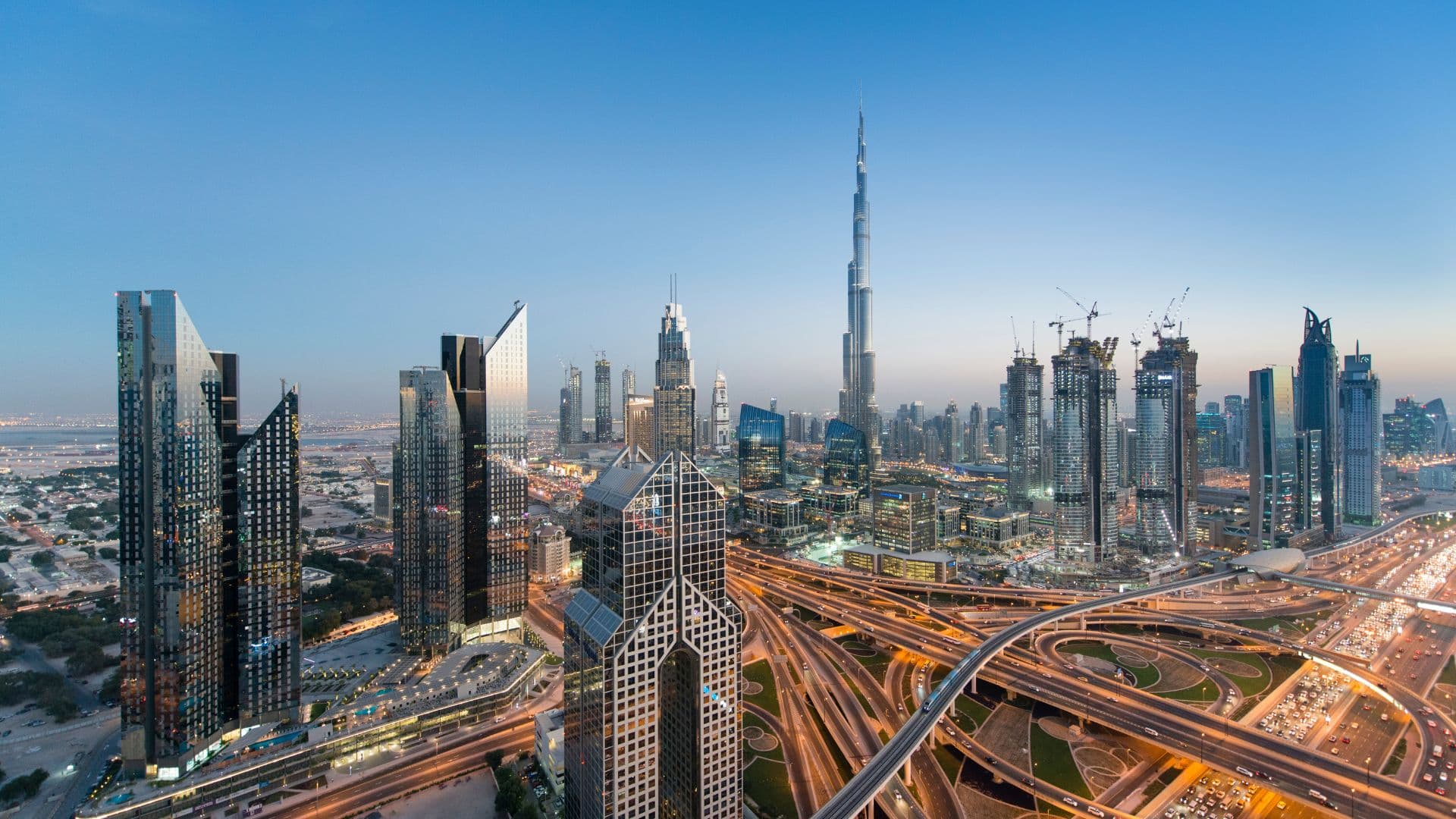
Hydrogen, SAF, and Dubai’s Aviation Transition: Building the Fuel System for Net Zero Skies
Dubai’s most practical path to aviation decarbonisation is staged: scale Sustainable Aviation Fuel (SAF) first, industrialise power-to-liquid (PtL) e-fuels next, and prepare for hydrogen infrastructure where it delivers earlier value (airside and ground operations) while aircraft technology matures. The main risk is not only fuel supply, but credibility: aviation fuel claims need lifecycle accounting, chain-of-custody, […]
 Emissions Reporting٢٦ يناير ٢٠٢٦
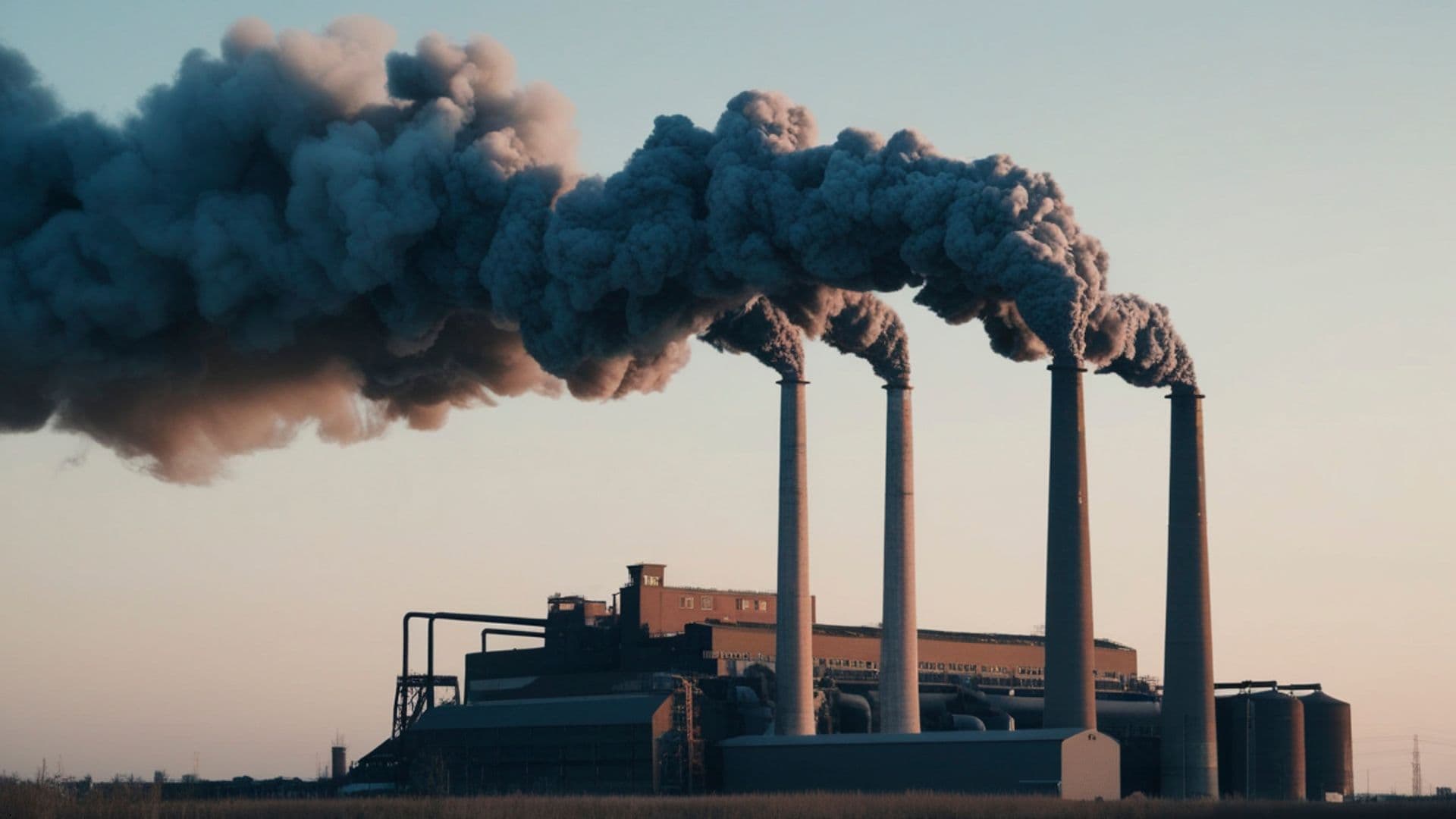
How Local Supply Chains Influence Scope 3 Emissions (and when “buy local” backfires)
Buying local doesn’t automatically reduce Scope 3 emissions. Local sourcing often lowers emissions when it reduces air freight, damage/waste, or enables circular flows, but it can increase emissions if local production is more carbon-intensive than your current supplier. The most defensible approach is to compare scenarios using supplier production data plus logistics activity data aligned […]
 Emissions Reporting١٧ مايو ٢٠٢٥
Operational vs. Value Chain Emissions: How They Map to Scope 1, 2, and 3
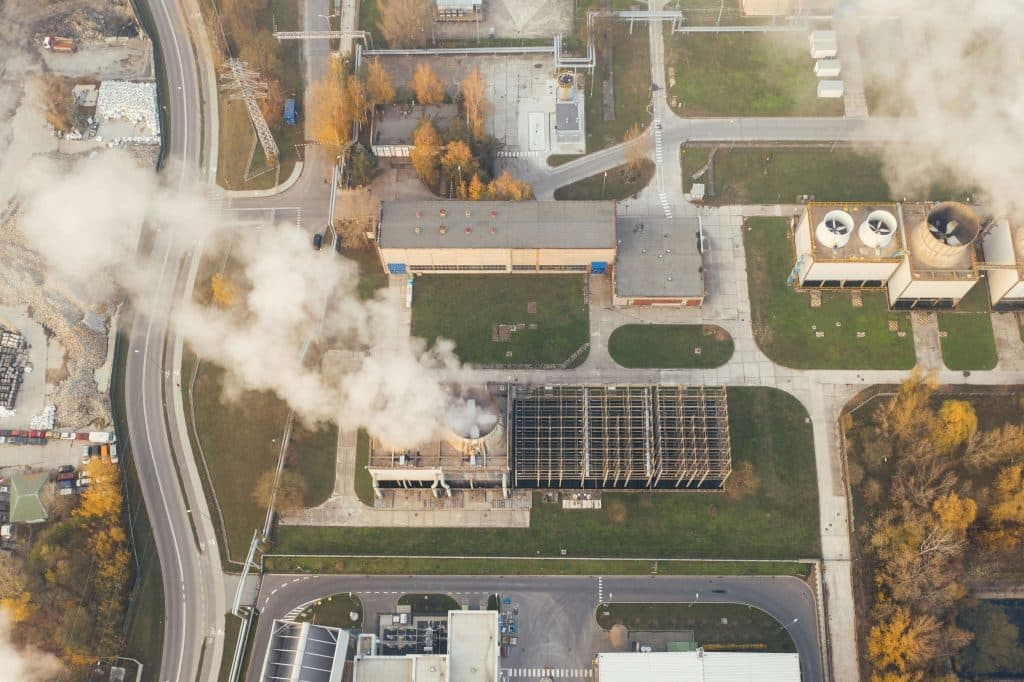
Broadly speaking, there are two types of carbon emissions (operational emissions and supply chain emissions). Operational emissions comprise Scope 1 and 2, while supply chain emissions are considered Scope 3.