
المدونة
مقالات القيادة الفكرية حول تقنيات الاستدامة وتقارير الانبعاثات والأثر المناخي الحقيقي.
 Emissions Reporting٢ فبراير ٢٠٢٦
Hydrogen, SAF, and Dubai’s Aviation Transition: Building the Fuel System for Net Zero Skies
Dubai’s most practical path to aviation decarbonisation is staged: scale Sustainable Aviation Fuel (SAF) first, industrialise power-to-liquid (PtL) e-fuels next, and prepare for hydrogen infrastructure where it delivers earlier value (airside and ground operations) while aircraft technology matures. The main risk is not only fuel supply, but credibility: aviation fuel claims need lifecycle accounting, chain-of-custody, […]
 Emissions Reporting٢٦ يناير ٢٠٢٦
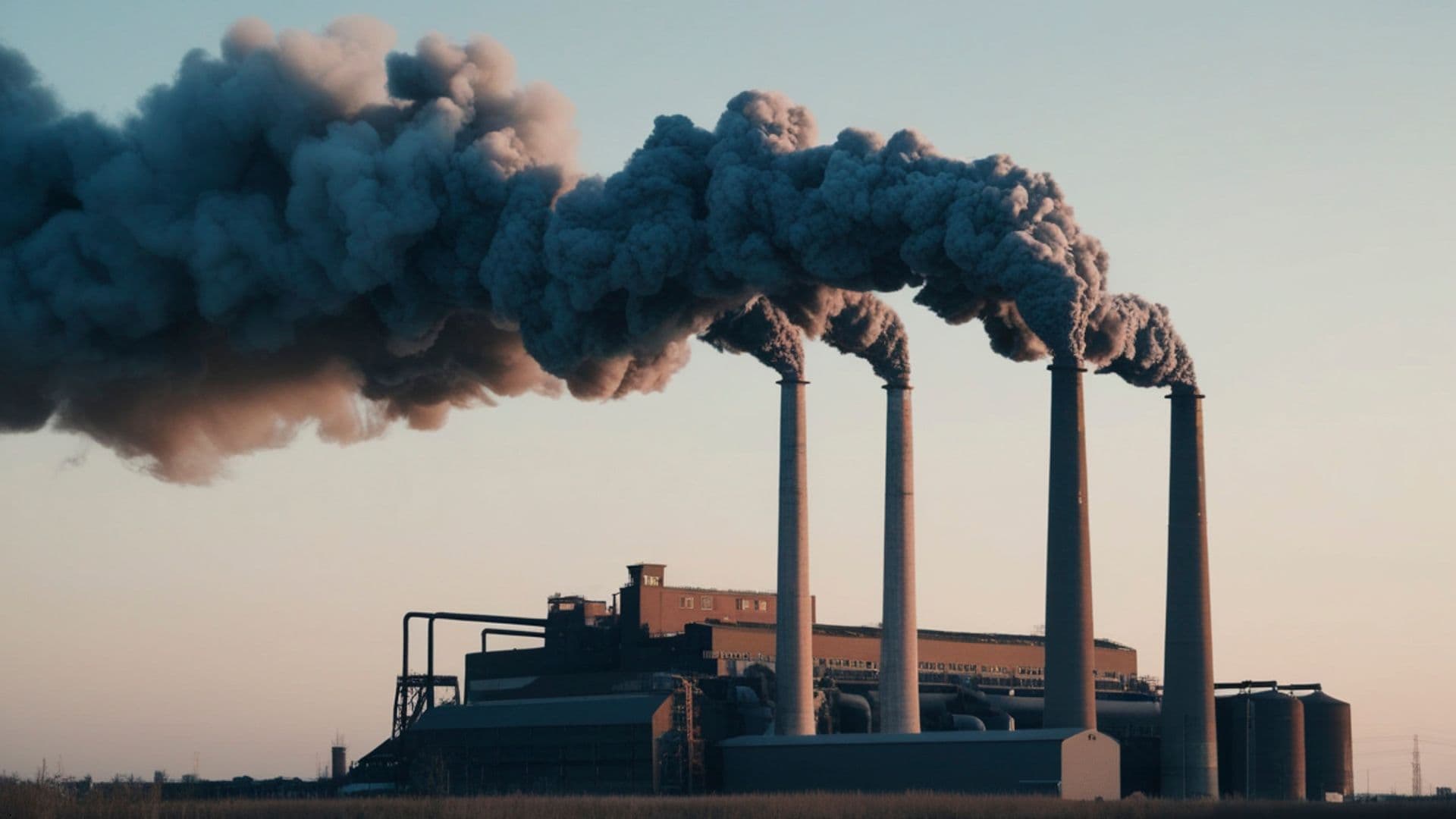
How Local Supply Chains Influence Scope 3 Emissions (and when “buy local” backfires)
Buying local doesn’t automatically reduce Scope 3 emissions. Local sourcing often lowers emissions when it reduces air freight, damage/waste, or enables circular flows, but it can increase emissions if local production is more carbon-intensive than your current supplier. The most defensible approach is to compare scenarios using supplier production data plus logistics activity data aligned […]
 Sustainability١٩ يناير ٢٠٢٦
AI Carbon Management in the GCC: From ESG Reporting to Competitive Advantage
Sustainability in the GCC is shifting from voluntary disclosure to a governance and risk requirement, driven by national strategies and a growing focus on investor-grade reporting. As Scope 1 to 3 expectations expand, organisations are moving away from spreadsheet-led reporting toward audit-ready carbon data infrastructure. AI-enabled carbon platforms help teams ingest fragmented data, including invoices […]
 Impact٦ أغسطس ٢٠٢٥
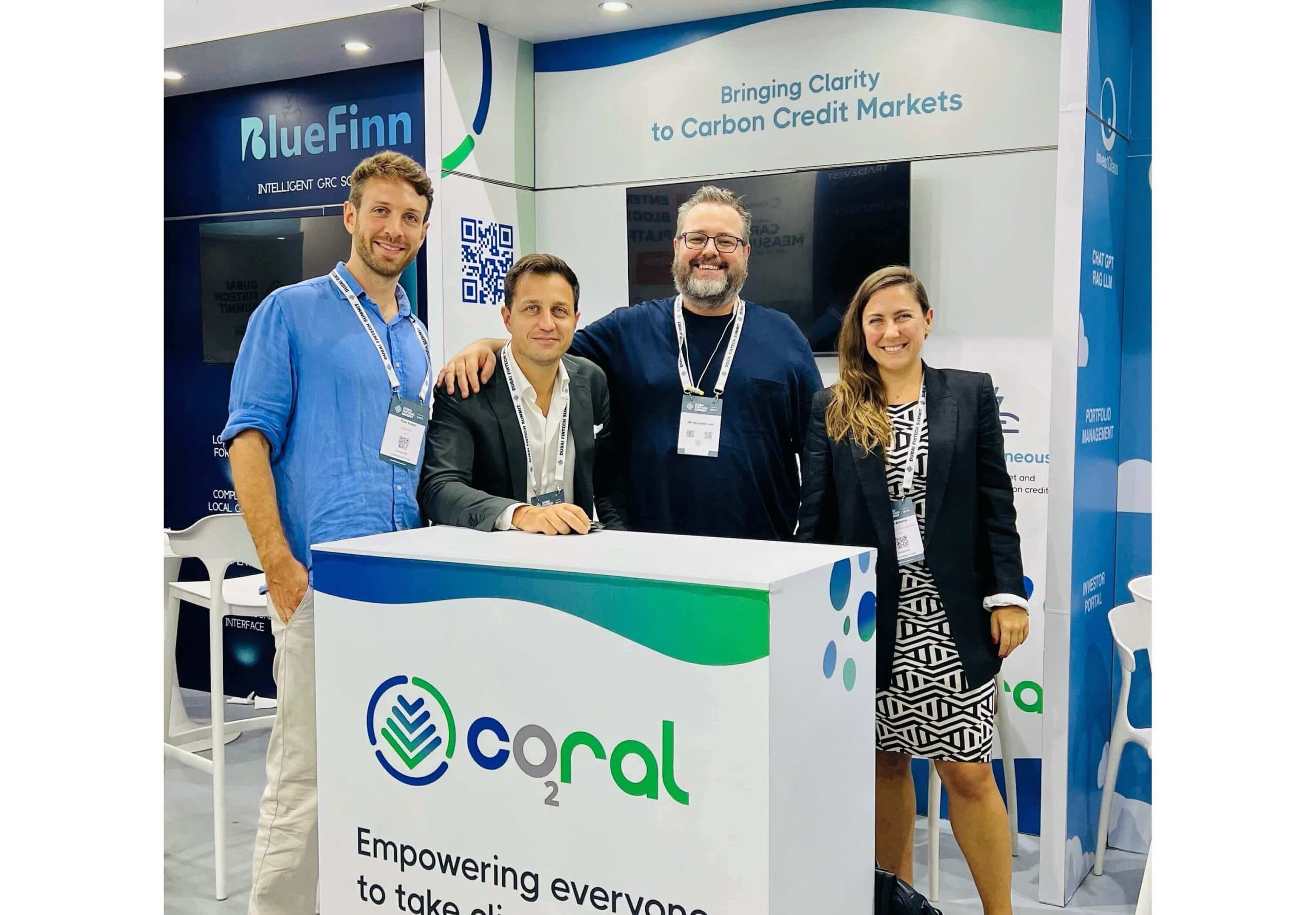
Coral at Dubai Fintech Week: Takeaways
Takeaways from Dubai Fintech Week: enterprises want audit-ready emissions data, trusted credits, and product-ready climate tools that are easy to explain.
 Carbon Markets & Climate Policy٢٥ مايو ٢٠٢٥
Carbon Credits: What are they?
A carbon credit represents the reduction or removal of one metric ton of CO2e (carbon dioxide equivalent). Credits are issued to verified projects and can be used by organizations to compensate for emissions in both regulated compliance programs and voluntary markets.
 Emissions Reporting١٧ مايو ٢٠٢٥
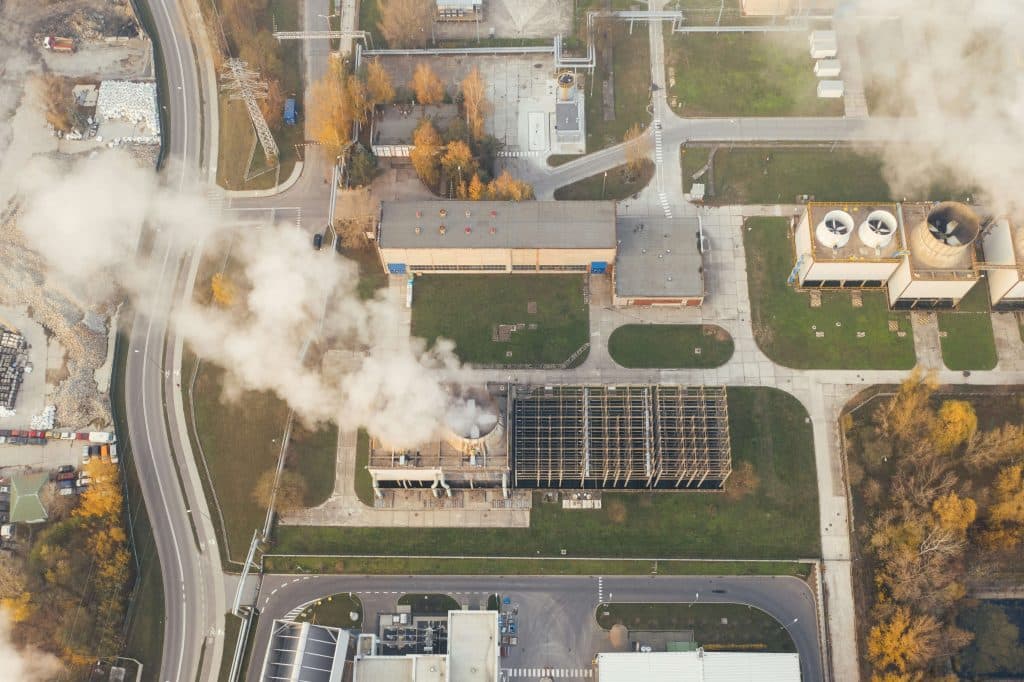
Operational vs. Value Chain Emissions: How They Map to Scope 1, 2, and 3
Broadly speaking, there are two types of carbon emissions (operational emissions and supply chain emissions). Operational emissions comprise Scope 1 and 2, while supply chain emissions are considered Scope 3.
 Impact٣٠ أبريل ٢٠٢٥
The Power of Collective Climate Action
The COP28 climate summit in Dubai brought together leaders from governments, business, academia, and civil society to shape the future of climate action. Coral attended as a UAE-based startup, forging partnerships and supporting businesses worldwide in meeting their sustainability goals.
 Sustainability٢ أبريل ٢٠٢٥
Catalyzing Climate Action: Coral Partners with Nissan Formula E
Leadership is key to making meaningful progress against climate change, and corporations like Nissan are stepping up. Coral is proud to have been chosen as Nissan Formula E’s official carbon credits partner. Together, we’re ensuring transparency in offsetting the racing team’s carbon footprint. Coral continues its mission to bring clarity and trust to carbon markets, making environmental responsibility achievable for all.
 Carbon Markets & Climate Policy٢٣ مارس ٢٠٢٥
Carbon Credit Controversies: Addressing Market Flaws
The carbon credit market, often touted as a critical tool in the fight against climate change, has its share of challenges and controversies. While it is designed to incentivize emission reductions and support sustainability initiatives, several issues have plagued its effectiveness and integrity.